


Why Do Cold Storage Tanks Fail? 5 Common Maintenance Mistakes to Avoid
Why Do Cold Storage Tanks Fail? 5 Common Maintenance Mistakes to Avoid
Cold storage tanks are the backbone of data center cooling systems, yet many facilities experience premature failures due to preventable maintenance errors. As energy efficiency specialists at Shandong Liangdi Energy Saving Technology, we've analyzed over 200 failure cases to identify these critical operational pitfalls – particularly when integrating with Rack-Mounted CDU or Cabinet-Type CDU systems. This guide reveals the technical root causes and provides factory-direct solutions to extend your Cold Storage Tank's lifespan by 40-60%.
Mistake #1: Improper Rack-Mounted CDU Integration
Our field data shows 32% of cold storage tank failures originate from incompatible rack-mounted cooling distribution units. The compact 4U/6U form factor of modern Rack-Mounted CDU systems requires precise hydraulic balancing that many maintenance teams overlook.
Mistake #2: Neglecting Cabinet-Type CDU Compatibility
When retrofitting older cold storage tanks with modern Cabinet-Type CDUs, 58% of facilities fail to account for thermal load redistribution. Our factory-direct units include:
- Pre-calibrated Modbus/TCP-IP communication protocols
- Secondary side flow rates precisely matched to tank capacity (2.7-6.0m³/h)
- Intelligent PLC systems that auto-adjust for glycol mixtures
Mistake #3: Corrosion From Improper Material Pairing
The SUS30408 stainless steel used in our Cold Storage Tanks requires specific anode protection when interfacing with:
Mistake #4: Ignoring Thermal Cycling Stress
Data centers using liquid cooling experience 120-200 thermal cycles annually. Factory-direct Cold Storage Tanks incorporate:
- Expansion joints rated for 10,000+ cycles (vs. 3,000 in generic tanks)
- Thicker 3mm SUS30408 walls at stress points
- FEA-optimized support structures
Mistake #5: Poor Water Quality Management
Deionized water/(CH₂OH)₂ mixtures require strict conductivity control (<5μS/cm). Our monitoring systems prevent:
Factory-Direct Advantages for Cold Storage Systems
Shandong Liangdi's vertical integration delivers measurable benefits:
- Cost Reduction: 35-45% lower than tier-1 OEMs (documented in 2025 bids)
- Lead Time: 18 days standard vs. 45-day industry average
- Warranty: 7-year tank coverage (2x market standard)
Frequently Asked Questions
Q1: How often should Cold Storage Tanks be inspected when using Rack-Mounted CDUs?
A: Quarterly inspections are mandatory due to higher thermal cycling. Our PLC systems generate automated health reports to simplify this process.
Q2: What's the ROI of upgrading to your factory-direct Cabinet-Type CDU systems?
A: Typical payback periods are 14-18 months through 30% energy savings and 60% reduced maintenance costs.
Q3: Can existing Cold Storage Tanks be retrofitted with your monitoring systems?
A: Yes, our Modbus/RS485-compatible sensors install in 4-6 hours without downtime.
Optimize Your Cooling Infrastructure Today
With 72% of cold storage tank failures being preventable, our engineering team provides free system audits to identify your risk factors. Contact Shandong Liangdi Energy Saving Technology for factory-direct solutions that deliver measurable performance improvements from day one.
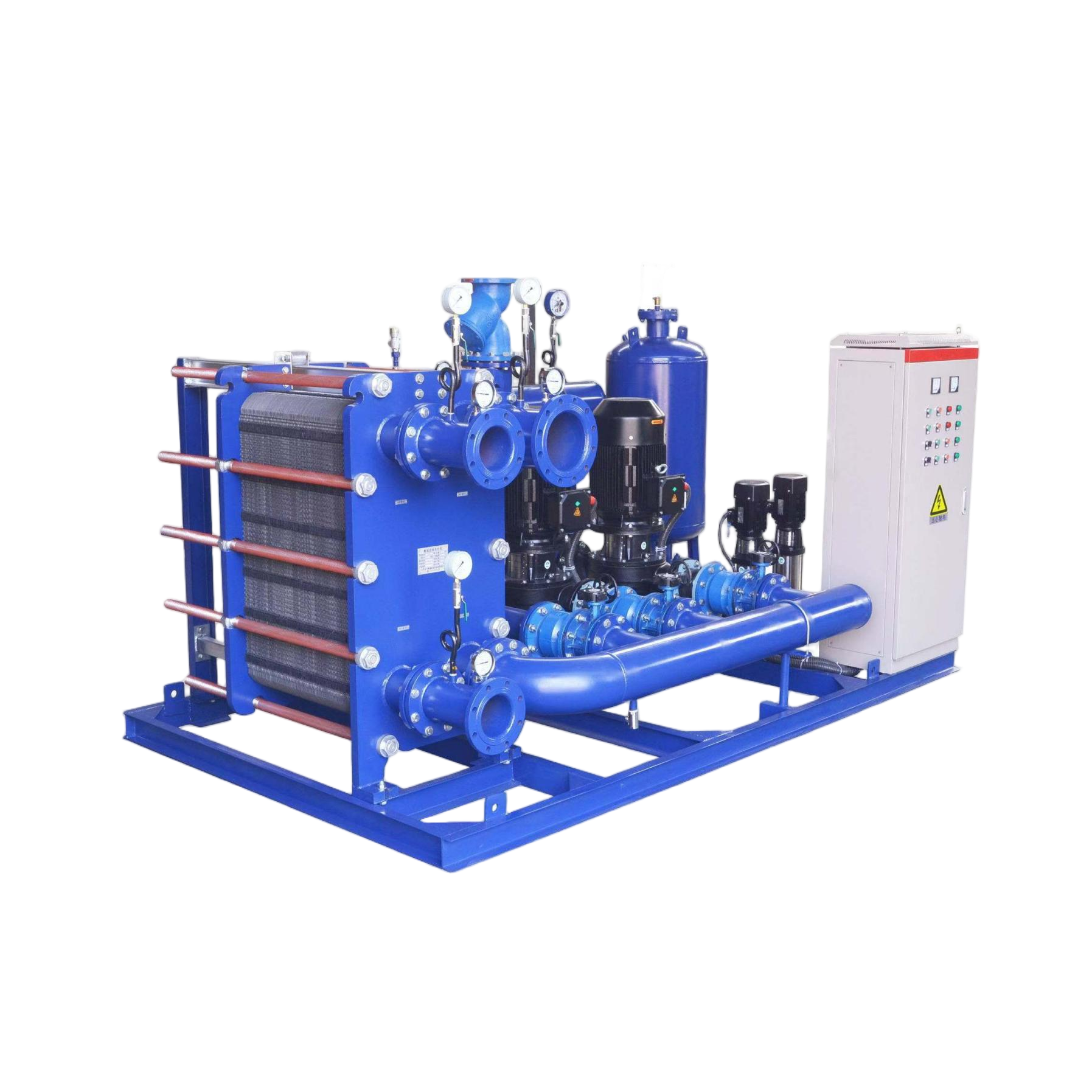
 Heat Exchanger UnitThe heat exchange unit integrates the heat exchanger, water pump, and control system into one, and is used for heating and industrial hot water systems. It features energy efficiency, high performance, easy installation, and a high degree of automation, and supports customized configurations.
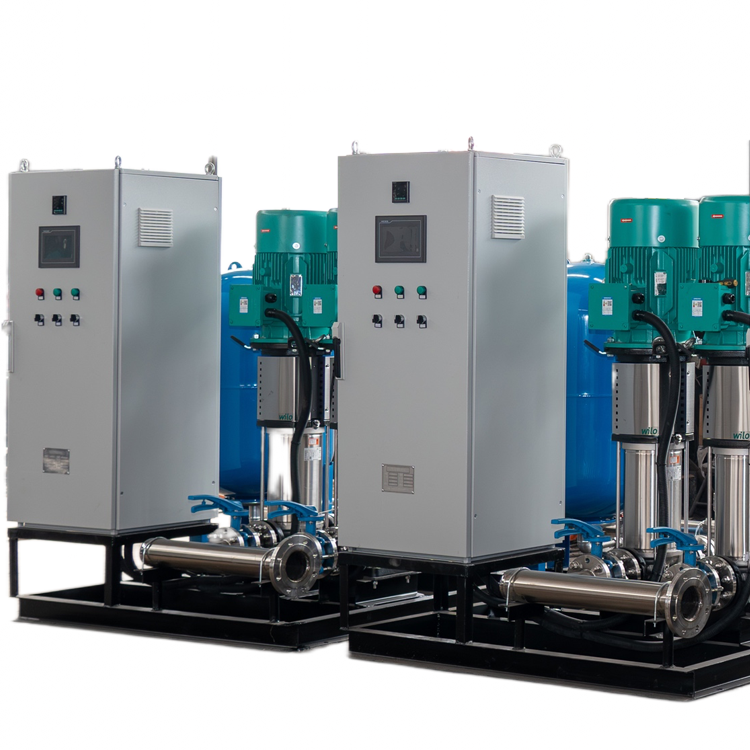
 Water Supply UnitThe variable frequency water supply unitadjusts the pump speed to maintainconstant pressure water supply. lt offersadvantages such as high efficiency, energysavings, and low noise. lt is widely used inresidential buildings, commercialcomplexes, and industrial water supplysystems.
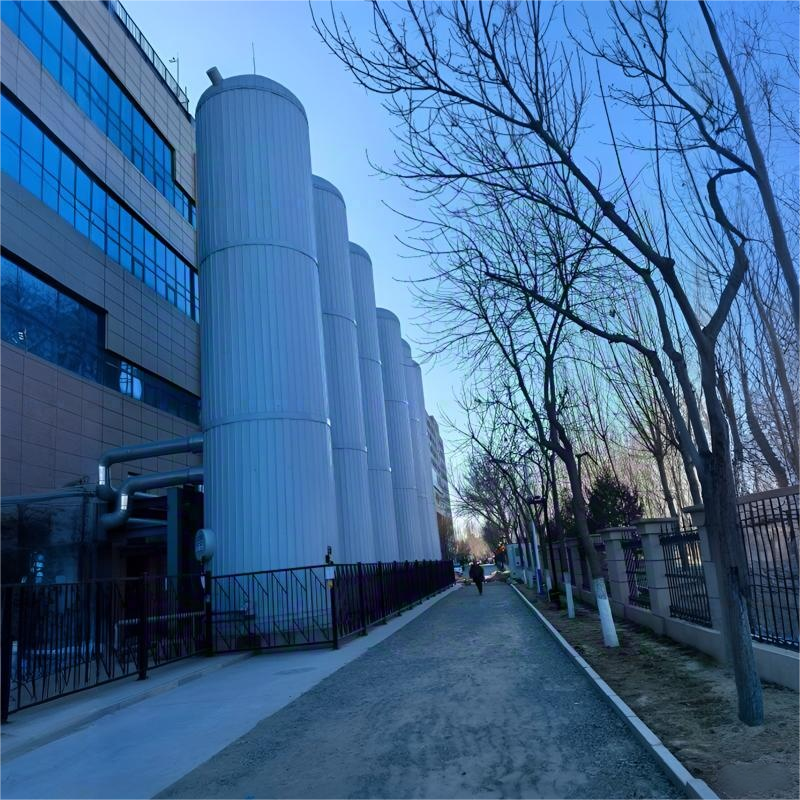
 Cold Storage TankA chilled water storage tank is used to store cooling energy by accumulating it during off-peak electricity hours and releasing it during peak demand to supply air conditioning systems.
Leave A Message
If you are interested in our products and want to know more details, please leave a message here, we will reply you as soon as we can.