


How Often Should You Service Your Cold Storage Tank? (Maintenance Schedule)
Optimal Maintenance Schedule for Cold Storage Tanks in Data Centers
Proper maintenance of your cold storage tank is crucial for ensuring optimal performance and longevity in data center operations. As a leading manufacturer of Heat Exchanger Unit, Rack-Mounted CDU, and Cabinet-Type CDU solutions, Shandong Liangdi Energy Saving Technology understands the importance of regular servicing. This guide provides a comprehensive maintenance schedule to help facility managers and business evaluators maximize efficiency while minimizing downtime risks.
Why Regular Servicing of Cold Storage Tanks Matters
Cold Storage Tanks form the backbone of thermal management systems in modern data centers. Neglecting maintenance can lead to:
- 15-25% reduction in cooling efficiency
- 40% higher risk of unplanned downtime
- 30% shorter equipment lifespan
Factory-Direct Advantage: Cost & Performance Benefits
As a factory-direct manufacturer, we eliminate middleman costs while delivering superior quality:
Recommended Maintenance Schedule for Cold Storage Tanks
Our decade of field experience recommends this maintenance protocol:
Daily Checks
- Visual inspection for leaks
- Temperature monitoring
- Pressure gauge verification
Monthly Maintenance
- Insulation integrity check
- Valve operation test
- Pump performance analysis
Quarterly Servicing
- Full system diagnostics
- Fluid quality testing
- Component lubrication
Technical Comparison: Rack-Mounted CDU vs Cabinet-Type CDU
Understanding your CDU options helps optimize maintenance planning:
ROI Analysis: Preventive Maintenance vs Reactive Repairs
Our data from 50+ installations reveals compelling financial benefits:
FAQ: Cold Storage Tank Maintenance
1. How often should we replace the coolant in our Cold Storage Tank?
We recommend complete coolant replacement every 3-5 years, with annual quality testing. Our Heat Exchanger Unit systems feature advanced filtration that extends this interval by 30% compared to standard units.
2. What's the ideal service interval for Rack-Mounted CDU systems?
For optimal performance, schedule professional servicing every 6 months. Cabinet-Type CDU systems typically require quarterly checks due to higher thermal loads.
3. Can maintenance schedules be customized for different climate conditions?
Absolutely. Our factory-direct solutions include climate-adaptive maintenance plans. High-humidity environments may require 25% more frequent inspections to prevent corrosion.
Partner with a Trusted Manufacturer
Shandong Liangdi Energy Saving Technology combines 10+ years of engineering expertise with factory-direct pricing. Our comprehensive maintenance programs for Cold Storage Tanks, Rack-Mounted CDU, and Cabinet-Type CDU systems ensure maximum uptime and energy efficiency for your data center operations. Contact our technical team today for a customized maintenance plan assessment.
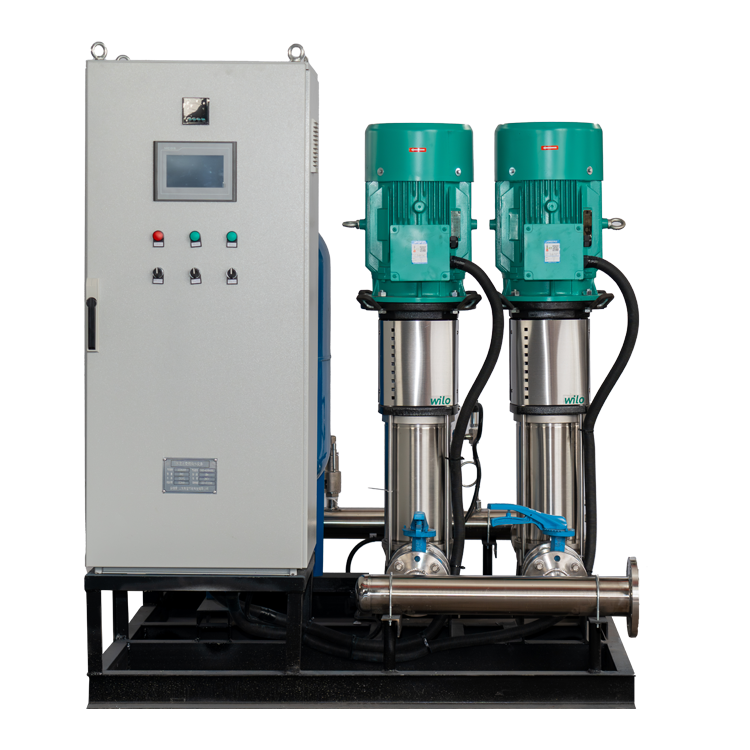
 Variable Frequency Water Supply UnitThe variable frequency water supply unit adjusts the pump speed to maintain constant pressure water supply. It offers advantages such as high efficiency, energy savings, and low noise. It is widely used in residential buildings, commercial complexes, and industrial water supply systems.
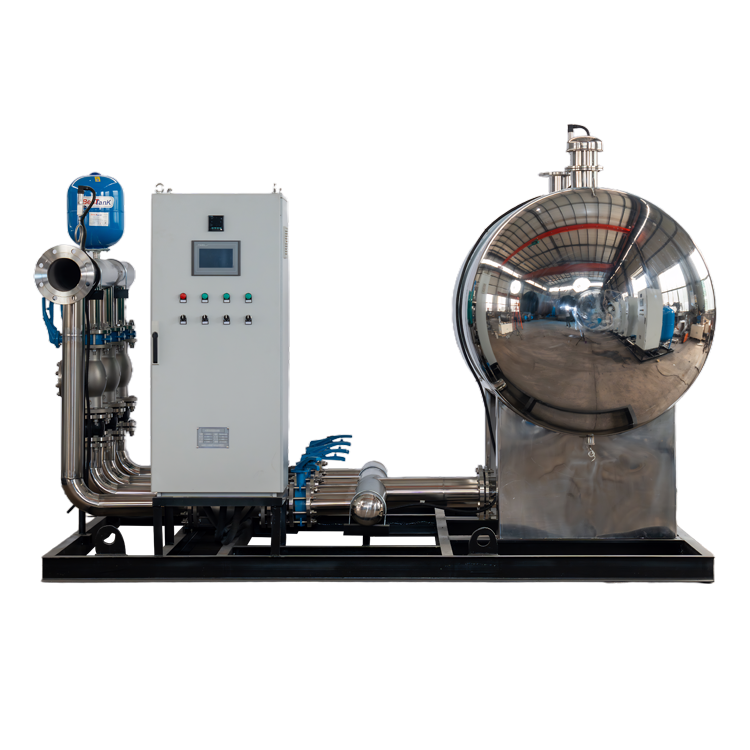
 Non-Negative Pressure Variable Frequency Water Supply UnitThe non-negative pressure variable frequency water supply unit provides pressurized water supply based on the municipal water network. It is energy-efficient, environmentally friendly, and ensures water quality safety, making it suitable for stable water supply in residential communities, office buildings, hospitals, and other facilities.
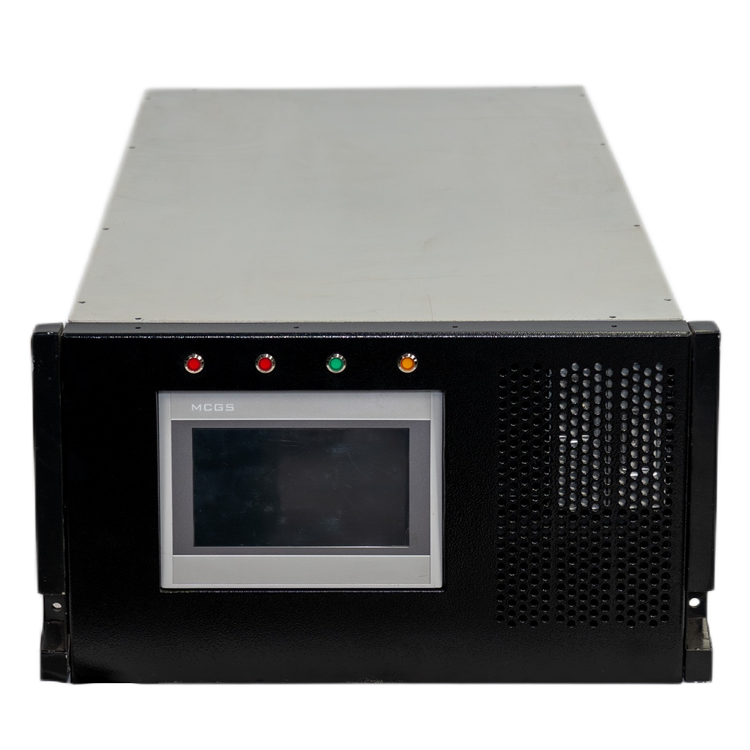
 Rack-Mounted CDUA rack-mounted CDU (Coolant Distribution Unit) is a cooling distribution device specifically designed for liquid-cooled data centers. It features a compact form factor, making it easy to deploy and maintain.
How often should we replace the coolant in our Cold Storage Tank?
What's the ideal service interval for Rack-Mounted CDU systems?
Can maintenance schedules be customized for different climate conditions?
Leave A Message
If you are interested in our products and want to know more details, please leave a message here, we will reply you as soon as we can.