


Beginner's Guide to Heat Exchanger Units for Eco-Friendly Data Center Liquid Cooling
How Heat Exchanger Units Enable Sustainable Liquid Cooling for Data Centers
Discover how heat exchanger units revolutionize eco-friendly liquid cooling for data centers in this beginner's guide. As a leading Heat Exchanger Unit supplier, Shandong Liangdi Energy Saving Technology combines innovative heat exchanger design service with sustainable solutions to optimize your data center's thermal management. Learn how our liquid cooling for data center eco-friendly systems enhance energy efficiency while reducing environmental impact - perfect for operators and researchers exploring next-gen cooling technologies.
The Critical Role of Heat Exchangers in Modern Data Centers
With data centers consuming 1-2% of global electricity and liquid cooling adoption growing at 15% annually, heat exchanger units have become essential components for sustainable thermal management. These systems transfer heat between fluids without mixing them, enabling precise temperature control while minimizing energy waste.
Shandong Liangdi's heat exchanger units achieve 30-50% better energy efficiency compared to traditional air cooling systems. Our solutions maintain optimal operating temperatures between 20-35°C for server racks while reducing water consumption by up to 40% through closed-loop designs.
The table above demonstrates how heat exchanger-based liquid cooling significantly improves both energy efficiency and water conservation. Modern data centers implementing these solutions can achieve PUE values approaching the theoretical ideal of 1.0.
Key Components of an Eco-Friendly Liquid Cooling System
An optimized liquid cooling infrastructure requires several integrated components working in harmony. Beyond heat exchangers, systems typically include:
- Cooling Distribution Units (CDUs) with 5-20kW cooling capacity
- Water distribution manifolds for balanced flow
- Cold storage tanks with 500-5000L capacity
- Variable Frequency Water Supply Unit for pressure regulation
- Monitoring systems with ±0.5°C temperature accuracy
Our Variable Frequency Water Supply Units, available in models LDG600 through LDG2000, automatically adjust pump speeds to maintain constant pressure between 0.6-1.6MPa. This technology reduces energy consumption by 15-30% compared to conventional water supply systems while operating at noise levels below 65dB.
Heat Exchanger Selection Criteria
When specifying heat exchanger units for data center applications, consider these critical parameters:
Proper selection requires balancing these parameters with your data center's specific heat load, which typically ranges from 5-30kW per rack in modern facilities. Our engineers can help optimize these variables for your particular application.
Implementation Best Practices for Liquid Cooling Systems
Successful deployment of heat exchanger-based cooling requires careful planning across three phases:
- Assessment Phase (2-4 weeks): Measure current PUE, map heat loads, and identify high-density zones
- Design Phase (4-6 weeks): Select appropriate heat exchanger configurations and auxiliary components
- Deployment Phase (8-12 weeks): Install with minimal downtime, typically during scheduled maintenance windows
Our team at Shandong Liangdi follows a proven 7-step implementation methodology that has successfully upgraded over 50 data centers across Asia. This process ensures 99.9% system uptime during transitions while achieving guaranteed PUE improvements of 15-25%.
Maintenance Considerations
To maintain peak performance, heat exchanger units require:
- Quarterly inspections of gaskets and seals
- Annual cleaning of heat transfer surfaces
- Biannual fluid quality testing
- Continuous monitoring of pressure differentials (target: 10-25 psi)
Frequently Asked Questions
What's the typical lifespan of heat exchanger units in data center applications?
With proper maintenance, our heat exchanger units typically operate for 10-15 years. The stainless steel construction resists corrosion, while the modular design allows component replacement without full system replacement.
How do liquid cooling systems compare in total cost of ownership?
While initial costs are 20-30% higher than air cooling, liquid systems provide 40-60% lower operating costs. Most facilities achieve ROI within 2-3 years through energy savings alone, with additional benefits from increased server density and reliability.
Can existing data centers retrofit liquid cooling systems?
Yes, approximately 70% of our projects involve retrofits. Our engineers develop customized solutions that integrate with existing infrastructure, typically requiring just 10-15% additional space for heat exchanger units and distribution components.
Next Steps for Implementing Eco-Friendly Cooling
As data center operators face increasing pressure to reduce environmental impact while supporting growing computational demands, heat exchanger-based liquid cooling offers a proven solution. Shandong Liangdi's complete ecosystem of cooling components - from heat exchangers to Variable Frequency Water Supply Units - provides the technical foundation for sustainable operations.
Contact our engineering team today for a free assessment of your facility's cooling requirements. We'll help you develop a customized solution that balances performance, efficiency, and environmental responsibility - the hallmarks of next-generation data center infrastructure.
- Variable frequency water supply unit
- Variable Frequency Water Supply
- Cold Storage Tank
- Heat Exchanger Unit
- liquid cooling for data center
- cold storage tank
- heat exchanger
- heat exchanger design service
- variable frequency water supply unit
- liquid cooling for data center eco-friendly
- Heat Exchanger Unit supplier
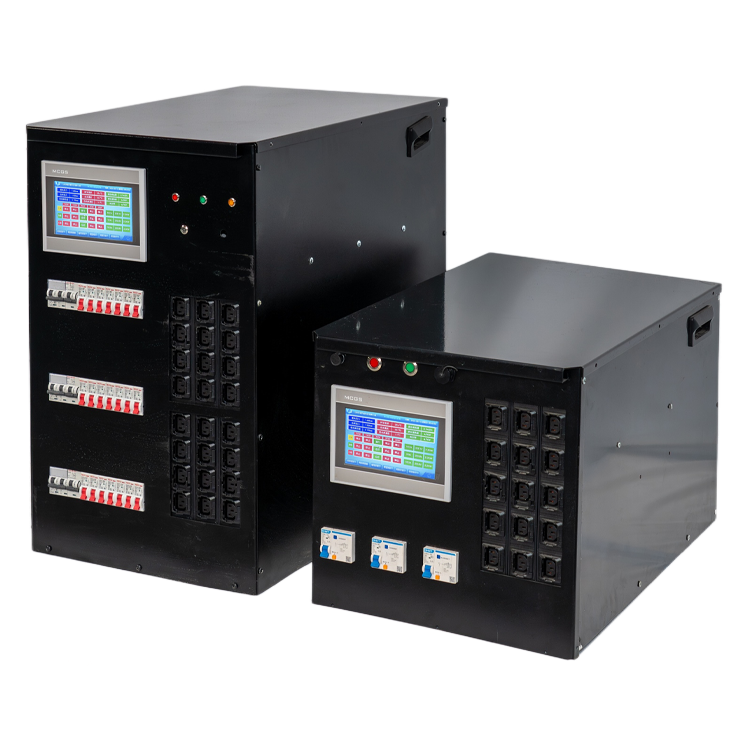
 Liquid-Cooled Dummy LoadLiquid-cooled dummy load is a specialized device used for testing electrical equipment, primarily in scenarios such as data centers, power plants, and UPS systems to simulate electrical loads.
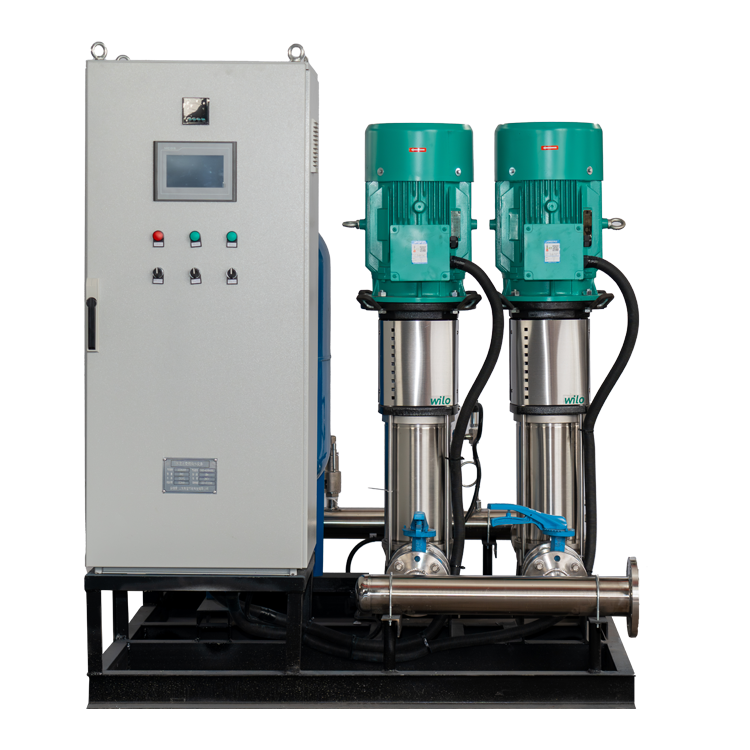
 Variable Frequency Water Supply UnitThe variable frequency water supply unit adjusts the pump speed to maintain constant pressure water supply. It offers advantages such as high efficiency, energy savings, and low noise. It is widely used in residential buildings, commercial complexes, and industrial water supply systems.
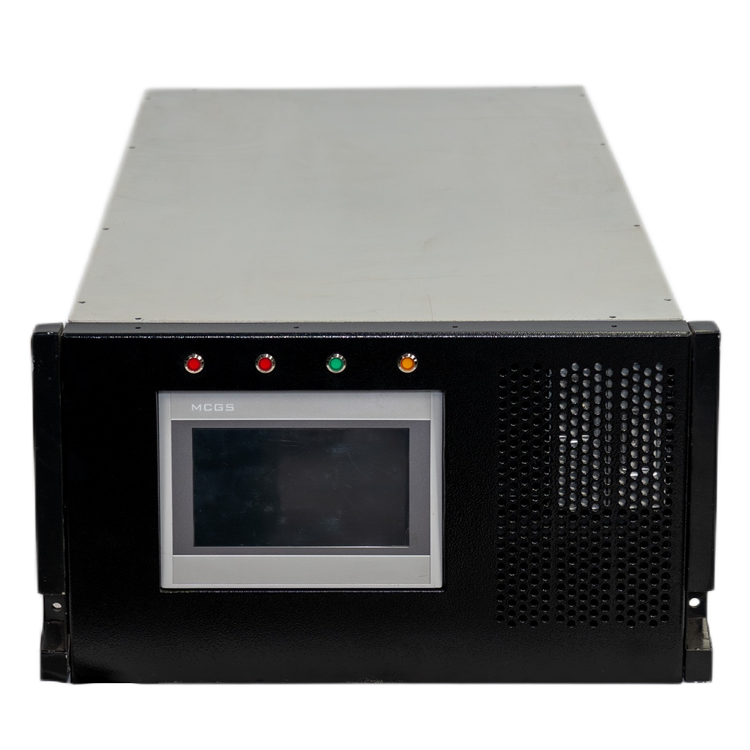
 Rack-Mounted CDUA rack-mounted CDU (Coolant Distribution Unit) is a cooling distribution device specifically designed for liquid-cooled data centers. It features a compact form factor, making it easy to deploy and maintain.
Leave A Message
If you are interested in our products and want to know more details, please leave a message here, we will reply you as soon as we can.