


Heat Exchanger Types Explained for Process Cooling Projects
Choosing between different heat exchanger types is rarely a minor engineering detail in process cooling projects. It shapes energy use, uptime, maintenance effort, and expansion flexibility. In new energy facilities and data-centre environments, where thermal loads can shift quickly, the right design helps stabilize operations while controlling lifecycle cost.
That is why heat exchanger types deserve careful comparison instead of a simple capacity check. A unit that performs well in a compact battery system may not suit a high-flow liquid cooling loop. Likewise, a solution built for stable industrial duty may struggle in fast-changing digital infrastructure.
Why the topic matters in new energy cooling
New energy projects depend on thermal control more than many buyers expect. Battery storage systems, power conversion equipment, hydrogen processes, and liquid-cooled data centres all produce concentrated heat. If that heat is not transferred efficiently, performance drops and component stress rises.
In practical terms, heat exchanger types influence approach temperature, pressure drop, water quality tolerance, and maintenance access. These are not abstract specifications. They affect whether a cooling loop remains reliable during seasonal changes, peak loads, and future capacity upgrades.
This is also the context in which Shandong Liangdi Energy Saving Technology Co., Ltd. operates. Based in Jinan, the company develops and manufactures CDU systems, water distribution manifolds, cold storage tanks, heat exchanger units, and related water supply equipment for data-centre cooling applications.
A practical way to understand heat exchanger types
At a basic level, a heat exchanger transfers thermal energy from one fluid to another without direct mixing. The differences between heat exchanger types come from geometry, flow path, material selection, service conditions, and cleaning method.
For process cooling, the most common categories include plate heat exchangers, shell and tube designs, brazed plate units, and integrated packaged systems. Each has a distinct balance between compactness, serviceability, fouling resistance, and thermal efficiency.
Typical options at a glance
What current projects are paying attention to
The industry focus has moved beyond heat transfer area alone. Operators now compare heat exchanger types by how well they support low-carbon operation, modular deployment, and digital control.
For liquid-cooled data centres, compactness and controllability matter because piping density is high and thermal stability is critical. In battery energy storage or power electronics cooling, fast response under fluctuating load becomes a key requirement.
Another concern is maintainability. A design that saves floor space but forces long shutdowns for cleaning can become expensive over time. This is one reason integrated platforms are gaining attention in both energy infrastructure and digital facilities.
A useful example is Heat Exchanger Unit, which combines heat exchange, pumps, and controls in one package. For projects that value easy installation and automation, this format can reduce coordination work between separate subsystems.
How to match heat exchanger types to real scenarios
Different cooling duties lead to different priorities. The best approach is to start with the process, not the catalog. Heat exchanger types should be judged by fluid condition, target temperatures, available space, and maintenance strategy.
Common application directions
- Liquid-cooled data centres: compact plate-based solutions often suit tight mechanical rooms and high heat density.
- Battery energy storage: stable temperature control and fast load response usually matter more than oversized capacity.
- Industrial hot water recovery: integrated systems can support both cooling and useful heat reuse.
- Mixed-quality utility water loops: more robust designs may be preferred where fouling risk is hard to eliminate.
In some projects, the line between cooling and heat recovery is becoming less rigid. Certain packaged solutions cover heating and industrial hot water supply as well, which is relevant for campuses or facilities trying to improve total energy utilization.
Selection points that usually matter more than expected
When reviewing heat exchanger types, a few parameters consistently have more business impact than nameplate capacity alone.
- Approach temperature: a tighter approach can improve cooling efficiency but may raise cost or pressure drop.
- Pressure drop: this affects pump energy and operating stability across the loop.
- Water quality tolerance: this influences cleaning cycles, downtime, and material life.
- Expandability: future load growth should not force a full redesign.
- Controls integration: modern systems benefit from packaged monitoring and automation.
This is where model range can become useful. Systems available from smaller capacities such as 0.35 up to 21.0, with multiple dimensional options, make it easier to align thermal demand, installation space, and plant layout without excessive oversizing.
A second mention is warranted here because the linked Heat Exchanger Unit reflects that integrated direction. Its emphasis on energy efficiency, automation, and customized configuration aligns with the way many cooling projects are now specified.
A sensible next step for evaluation
The best use of this overview is to narrow the shortlist intelligently. Start by mapping fluid type, inlet and outlet temperatures, flow rate, space limits, and acceptable maintenance windows. Then compare heat exchanger types against those conditions rather than relying on general preference.
For new energy and data-centre cooling systems, it also helps to assess whether a standalone exchanger or an integrated package better fits the control philosophy of the project. Looking at the full loop often reveals the better answer.
Once those criteria are clear, specification work becomes more disciplined. It is easier to compare suppliers, judge lifecycle value, and choose a solution that supports reliable process cooling as thermal demand continues to rise.
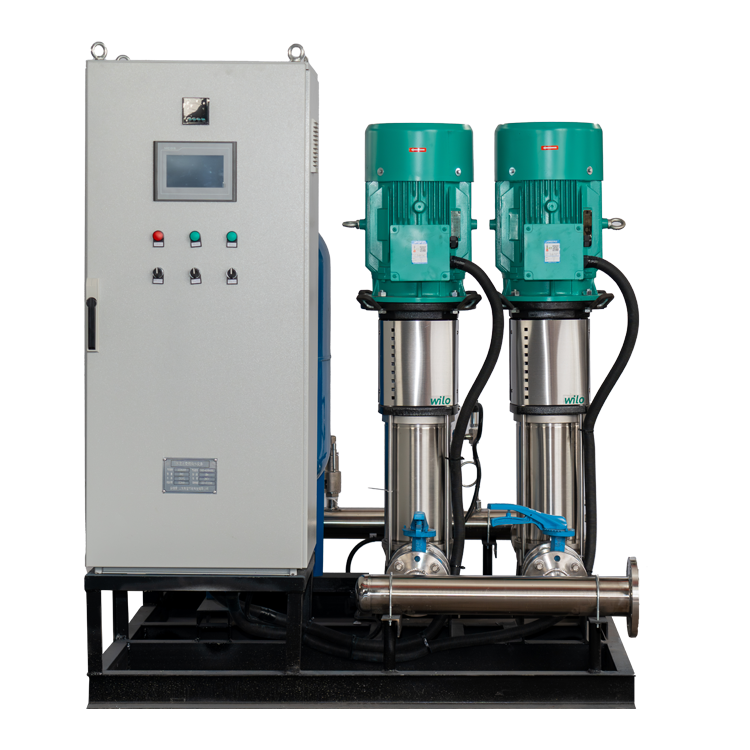
 Variable Frequency Water Supply UnitThe variable frequency water supply unit adjusts the pump speed to maintain constant pressure water supply. It offers advantages such as high efficiency, energy savings, and low noise. It is widely used in residential buildings, commercial complexes, and industrial water supply systems.
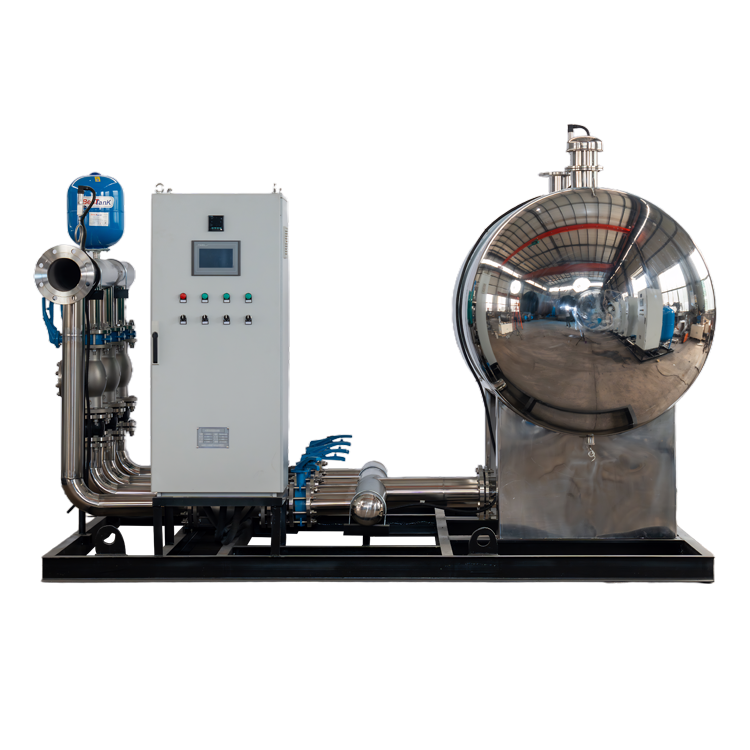
 Non-Negative Pressure Variable Frequency Water Supply UnitThe non-negative pressure variable frequency water supply unit provides pressurized water supply based on the municipal water network. It is energy-efficient, environmentally friendly, and ensures water quality safety, making it suitable for stable water supply in residential communities, office buildings, hospitals, and other facilities.
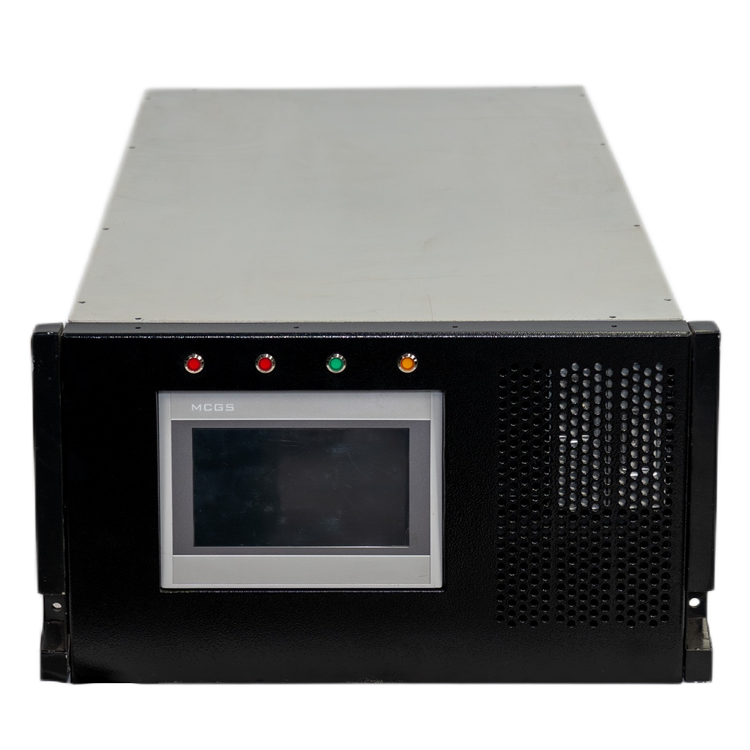
 Rack-Mounted CDUA rack-mounted CDU (Coolant Distribution Unit) is a cooling distribution device specifically designed for liquid-cooled data centers. It features a compact form factor, making it easy to deploy and maintain.
Leave A Message
If you are interested in our products and want to know more details, please leave a message here, we will reply you as soon as we can.