


Understanding the Basics of Liquid Cooling Systems for Green Data Centers
Why Liquid Cooling is the Future for Green Data Centers
As green data centers gain momentum, understanding liquid cooling systems becomes crucial for energy efficiency. Shandong Liangdi Energy Saving Technology specializes in eco-friendly heat exchanger units and liquid cooling solutions that reduce carbon footprints while maintaining optimal performance. This guide explores how our heat exchanger design services can help operators implement sustainable cooling strategies for modern data centers.
How Liquid Cooling Systems Work
Liquid cooling technology transfers heat 3-5 times more efficiently than traditional air cooling methods. The system circulates coolant through sealed pipes that absorb heat from servers and transfer it to heat exchangers. Our CDU (Cooling Distribution Unit) solutions maintain precise temperature control within ±0.5°C, ensuring optimal operating conditions.
Key components include:
- Coolant distribution manifolds with flow rates of 10-50 GPM
- Plate heat exchangers with 90-95% thermal efficiency
- Intelligent monitoring systems tracking pressure, flow, and temperature
The table demonstrates liquid cooling's superior performance in high-density data center environments. Our systems can reduce cooling energy consumption by 40-50% compared to conventional methods.
Critical Applications for Emergency Cooling
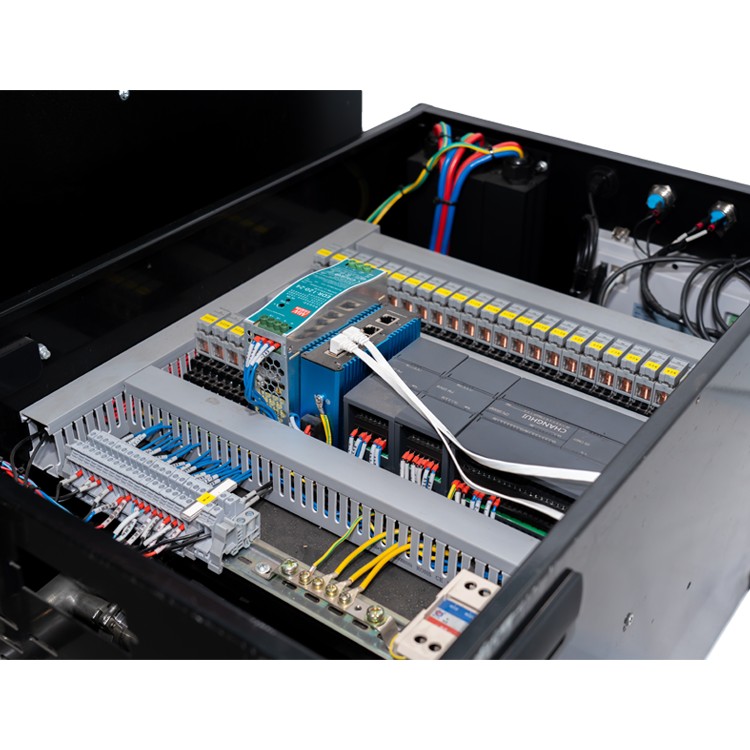
In mission-critical environments, rapid heat dissipation during power outages or system failures is essential. The Liquid Cooling Emergency Device provides immediate cooling for overheating equipment with response times under 30 seconds. This liquid-cooled solution ensures continuous operation during emergency situations by efficiently transferring heat away from sensitive components.
Key benefits include:
- Maintains safe operating temperatures during power fluctuations
- Prevents thermal shutdowns in high-performance computing environments
- Compatible with most server configurations and rack designs
Implementation Considerations
Transitioning to liquid cooling requires careful planning. Our team follows a 5-phase implementation process:
- Thermal assessment and heat load calculation (3-5 days)
- Customized CDU configuration based on rack density (10-50 kW options)
- Coolant selection (dielectric fluids or water-based solutions)
- Integration with existing infrastructure
- Performance validation and optimization
Our engineering team can complete thermal mapping within 48 hours to identify optimal cooling distribution points, minimizing downtime during installation.
Maintenance and Optimization
Proper maintenance extends system lifespan and maintains peak efficiency. We recommend quarterly inspections focusing on:
- Coolant purity and pH levels (maintain 6.5-8.5)
- Pump performance (flow rates within 10% of design specs)
- Heat exchanger fouling factors (below 0.0005)
FAQ: Liquid Cooling System Selection
What's the typical ROI for liquid cooling systems?
Most installations achieve payback within 18-24 months through energy savings, with total cost of ownership 30-40% lower than air cooling over 5 years.
How does liquid cooling impact server lifespan?
Maintaining stable temperatures below 35°C can extend server lifespan by 2-3 years by reducing thermal stress on components.
Next Steps for Data Center Operators
Shandong Liangdi Energy Saving Technology offers comprehensive liquid cooling solutions from initial assessment to ongoing maintenance. Our heat exchanger units and cooling distribution systems are designed for maximum energy efficiency in green data center environments.
Contact our engineering team today for a customized cooling strategy analysis and implementation plan tailored to your specific data center requirements and sustainability goals.
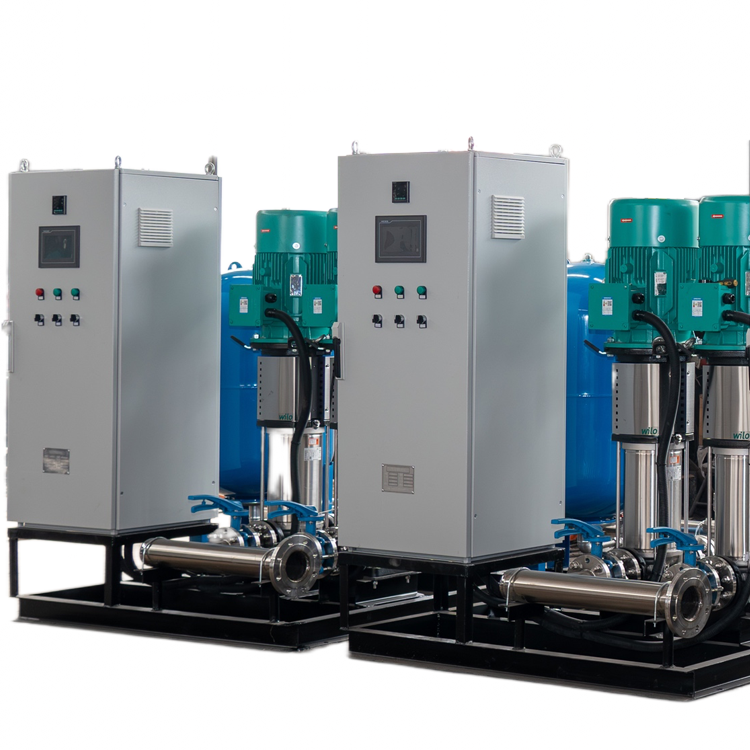
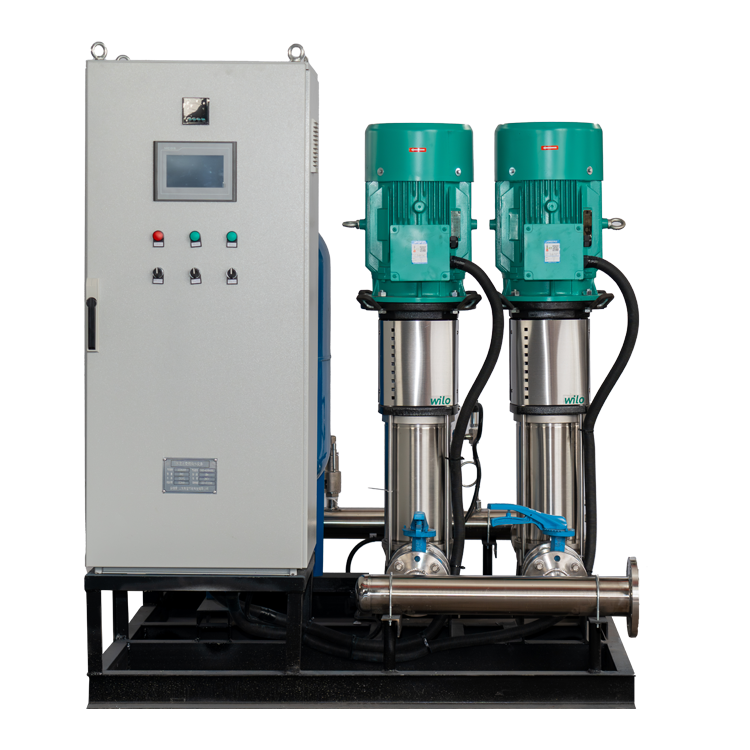
 Water Supply UnitThe variable frequency water supply unitadjusts the pump speed to maintainconstant pressure water supply. lt offersadvantages such as high efficiency, energysavings, and low noise. lt is widely used inresidential buildings, commercialcomplexes, and industrial water supplysystems.
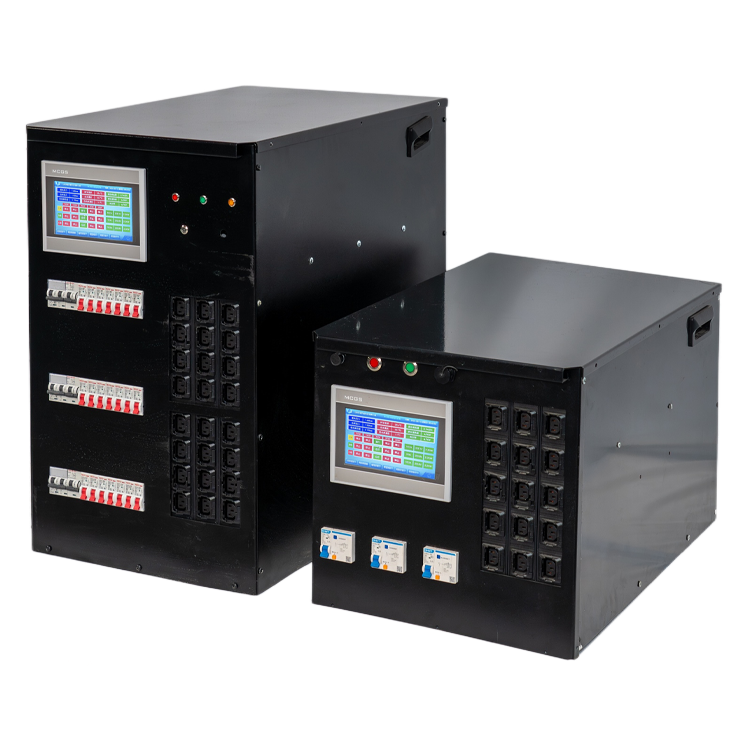
 Liquid-Cooled Dummy LoadLiquid-cooled dummy load is a specialized device used for testing electrical equipment, primarily in scenarios such as data centers, power plants, and UPS systems to simulate electrical loads.
 Variable Frequency Water Supply UnitThe variable frequency water supply unit adjusts the pump speed to maintain constant pressure water supply. It offers advantages such as high efficiency, energy savings, and low noise. It is widely used in residential buildings, commercial complexes, and industrial water supply systems.
What's the typical ROI for liquid cooling systems?
How does liquid cooling impact server lifespan?
Leave A Message
If you are interested in our products and want to know more details, please leave a message here, we will reply you as soon as we can.