


Heat Exchanger Types for Corrosive Media: What Matters Most
Heat Exchanger Types for Corrosive Media: What Matters Most
When selecting heat exchanger types for corrosive media, thermal efficiency is only one part of the decision.
Material compatibility, leak control, pressure resistance, and maintenance access often matter more over the full service life.
This is especially true in new energy projects and data centre cooling systems, where fluid stability and uptime are tightly linked.
A poor match between media and equipment can lead to corrosion, contamination, unplanned shutdowns, and avoidable safety incidents.
Why heat exchanger types behave differently in corrosive service
Not all heat exchanger types fail in the same way.
Some are more vulnerable at welds, some at gaskets, and others at narrow flow channels where deposits collect fast.
Corrosive media may include chlorides, acids, alkaline solutions, treated water, or mixed fluids with unstable chemistry.
In actual operations, temperature swings and oxygen ingress often accelerate damage more than designers first expect.
Key factors that change the selection
- Fluid composition, including chloride level, pH, and suspended solids
- Operating temperature and pressure cycling frequency
- Risk of cross contamination between primary and secondary loops
- Cleaning method, inspection frequency, and spare part access
- Required service life and shutdown cost
Comparing common heat exchanger types
Plate heat exchangers
Plate models are compact and highly efficient, which makes them attractive for tight equipment rooms.
However, for corrosive service, gasket durability and plate material selection become critical.
If the media contains chlorides, standard stainless steel may suffer pitting or crevice corrosion.
Titanium or higher-grade alloys may be needed, but that changes both capital cost and maintenance planning.
Shell and tube heat exchangers
Shell and tube designs remain one of the most established heat exchanger types for harsh duty.
They usually tolerate pressure variation well and allow flexible tube-side material choices.
They also offer a practical path for mechanical cleaning when fouling is expected.
The tradeoff is larger footprint, higher fluid inventory, and sometimes lower thermal compactness.
Welded and brazed units
Welded units reduce gasket exposure and can improve sealing reliability in certain corrosive loops.
Still, narrow channels can be less forgiving if solids, scale, or unstable chemistry are present.
That means water quality control must be treated as part of equipment selection, not a separate issue.
What matters most for quality and safety control
For corrosive applications, the best choice among heat exchanger types usually comes from risk control logic.
The first question is not only how much heat must be transferred.
The better question is how the unit will behave after years of chemical exposure, cleaning, vibration, and thermal stress.
1. Material compatibility comes first
Material mismatch is still one of the most common failure causes.
Review corrosion data for plates, tubes, shells, welds, seals, and connection points.
Do not assume the main body material alone defines chemical resistance.
2. Leak prevention must be designed in
In data centre and new energy cooling loops, leakage can damage adjacent systems quickly.
This is why double isolation, monitored pressure zones, and reliable sealing details deserve close review.
Inspection points should be visible and accessible, not hidden behind compact layouts.
3. Pressure stability affects long-term safety
Many heat exchanger types perform well in steady duty but weaken under repeated pressure shocks.
Where pumps cycle often, surge control and flow balance should be reviewed with the exchanger design.
This becomes more important when corrosive media already reduce the safety margin of wetted parts.
4. Maintenance access is part of reliability
A technically suitable unit can still become a bad operational choice if cleaning is difficult.
Access for flushing, inspection, gasket replacement, and condition monitoring should be checked early.
Practical selection points for new energy and cooling systems
Shandong Liangdi Energy Saving Technology Co., Ltd. focuses on cooling distribution equipment, manifolds, cold storage tanks, water supply units, and related thermal systems.
That background reflects a practical reality: exchanger choice should fit the full hydraulic and control system, not stand alone.
For integrated projects, a packaged Heat Exchanger Unit may simplify installation and improve control consistency.
Typical configurations combine heat exchange, pumps, and automation in one system.
Available specifications cover capacities from 0.35 to 21.0, with customized options for heating and industrial hot water systems.
A practical review checklist
- Confirm the exact media chemistry under normal and upset conditions.
- Match exchanger materials to chloride, pH, temperature, and cleaning chemicals.
- Check whether the chosen heat exchanger types allow proper inspection and flushing.
- Review pressure fluctuations, pump start-stop frequency, and surge risk.
- Verify leak detection, seal strategy, and contamination control measures.
- Compare lifecycle cost, not only purchase price.
Final takeaway
Choosing heat exchanger types for corrosive media is really a balance of chemistry, mechanics, maintenance, and risk.
The strongest option is usually the one that keeps performance stable while reducing leak exposure and inspection difficulty.
For new energy and data centre cooling applications, that decision should be made with full system behavior in mind.
If the media is aggressive, start with materials, sealing, and maintenance access, then narrow the suitable heat exchanger types from there.
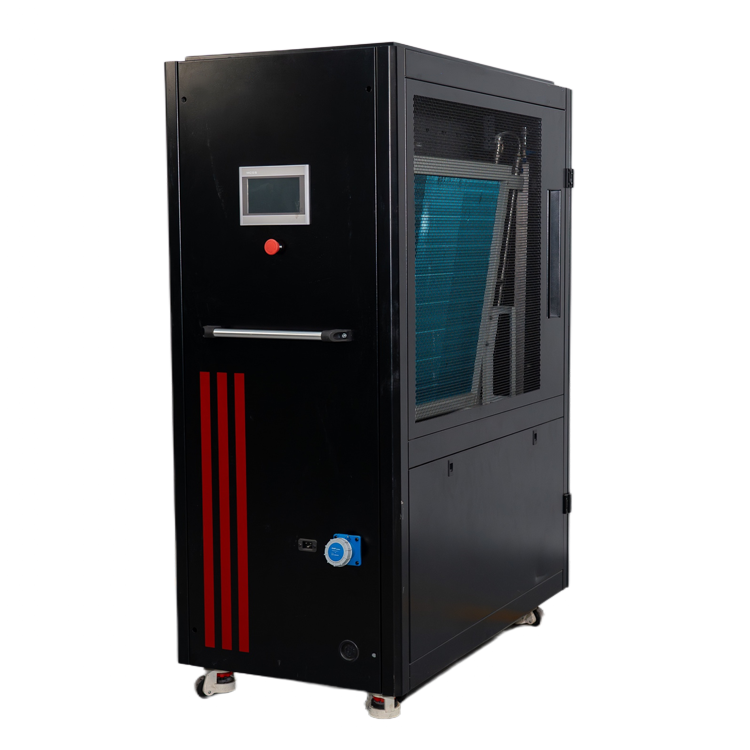
 Liquid Cooling Emergency DeviceA liquid-cooled emergency unit is a device designed to rapidly cool critical equipment or systems in emergency situations. Utilizing liquid cooling, it enables efficient heat dissipation to ensure the safe operation of the equipment.
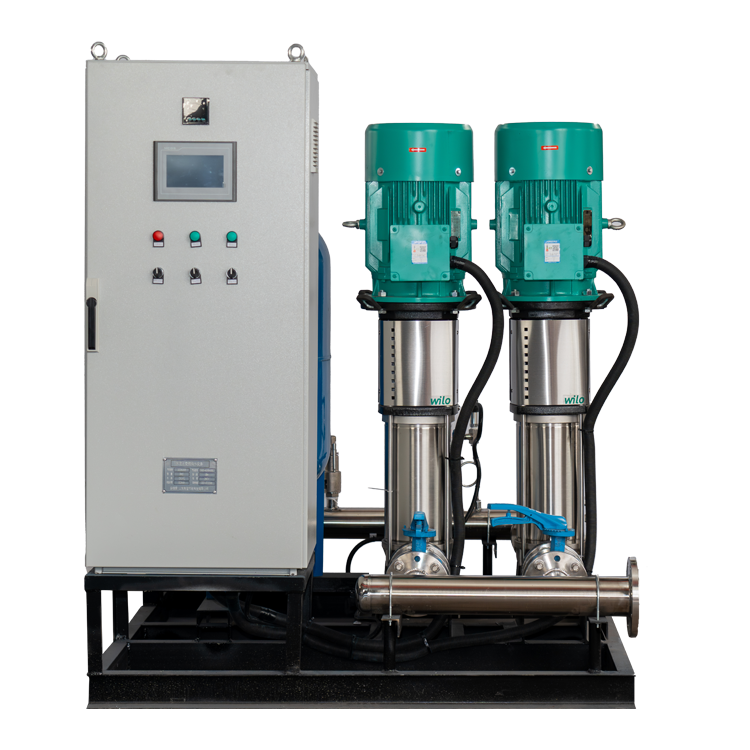
 Variable Frequency Water Supply UnitThe variable frequency water supply unit adjusts the pump speed to maintain constant pressure water supply. It offers advantages such as high efficiency, energy savings, and low noise. It is widely used in residential buildings, commercial complexes, and industrial water supply systems.
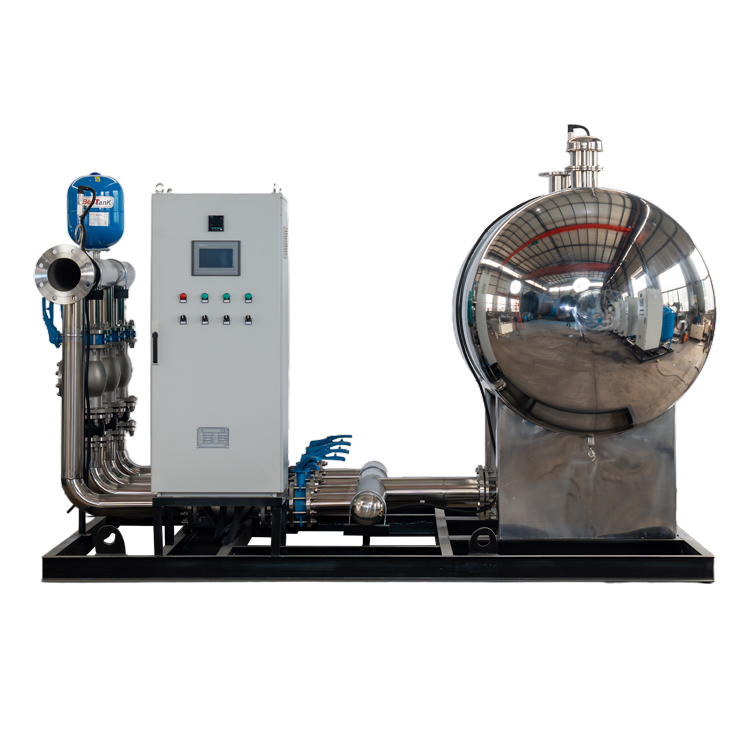
 Non-Negative Pressure Variable Frequency Water Supply UnitThe non-negative pressure variable frequency water supply unit provides pressurized water supply based on the municipal water network. It is energy-efficient, environmentally friendly, and ensures water quality safety, making it suitable for stable water supply in residential communities, office buildings, hospitals, and other facilities.
Leave A Message
If you are interested in our products and want to know more details, please leave a message here, we will reply you as soon as we can.