


Case Study: How One Plant Reduced Costs by 30% With Smart Cold Storage Tank Upgrades
Introduction
Discover how a leading manufacturing plant achieved 30% cost savings through innovative cold storage tank upgrades. This case study reveals the technical breakthroughs and operational efficiencies gained by implementing Shandong Liangdi's advanced cooling solutions. Learn how smart cold storage tank optimization can transform your facility's energy consumption while maintaining peak performance - critical insights for data center operators and technical evaluators.
Industry Background & Market Overview
The global demand for energy-efficient cooling solutions has surged, particularly in the data center sector where cooling accounts for nearly 40% of total energy consumption. Traditional cold storage tanks often operate at fixed capacities, leading to significant energy waste during off-peak periods. Shandong Liangdi Energy Saving Technology Co., Ltd., located in Jinan's Changqing Industrial Park, has pioneered adaptive cold storage systems that dynamically adjust to cooling demands. Their solutions integrate seamlessly with existing infrastructure while delivering measurable ROI - a key consideration for technical evaluators comparing upgrade options.
Technical Performance & Innovation
The plant's 30% cost reduction stemmed from three core innovations in their cold storage tank system: First, phase-change materials with 35% greater thermal density than conventional options. Second, predictive algorithms that anticipate cooling load fluctuations with 92% accuracy. Third, integration with the Variable Frequency Water Supply Unit (available in LDG600-LDG2000 models), which maintains constant pressure while reducing pump energy usage by up to 60%. These units feature operating temperatures below 120°C and adaptable design pressures up to 1.6MPa - specifications that impressed the plant's engineering team during technical validation.
Case Study: Operational Transformation
Before upgrading, the plant's 8,000m² facility struggled with inconsistent cooling distribution and frequent thermal overshoots. After implementing Shandong Liangdi's solution, they achieved: 1) 28% reduction in compressor runtime through optimized thermal storage cycles; 2) 17% longer equipment lifespan due to stabilized temperature differentials (maintained at 25°C supply/return variance); 3) 31% lower maintenance costs from reduced mechanical stress on components. The system's dual-pump configuration (5-10m³/h flow rate) proved particularly effective for their industrial water supply needs, demonstrating how customized cold storage solutions outperform generic alternatives.
Cost Analysis & Alternative Solutions
While complete system replacements can cost $500,000+, this plant opted for modular upgrades at $185,000 - achieving payback in just 14 months. Key cost factors included: thermal storage capacity (0.35-8.60m³ options), pump specifications (0.75-2.2kW power range), and expansion water volume requirements (125-3650 liters). For facilities considering alternatives, passive cooling designs may offer 10-15% savings but cannot match the precision of active cold storage systems. Hybrid approaches combining both methods show promise, though they require careful integration with existing heat exchanger units.
Why Choose Shandong Liangdi?
With 12 patented technologies in cooling distribution units and cold storage tanks, our Jinan-based R&D center delivers solutions that meet ASHRAE 90.4 and EN 1886 standards. Unlike competitors offering one-size-fits-all systems, we provide: 1) Custom thermal performance modeling for your specific facility layout; 2) Dual-certified equipment (ISO 9001 & CE); 3) Lifetime technical support including remote monitoring integration. For technical evaluators comparing specifications, our Variable Frequency Water Supply Unit series demonstrates measurable advantages in energy efficiency (45% better than industry averages) and noise reduction (below 55dB).
Future Trends in Cold Storage Technology
Emerging innovations will further transform cold storage tank economics: 1) AI-driven load forecasting (currently in beta testing with 97% prediction accuracy); 2) Graphene-enhanced phase change materials promising 50% greater thermal conductivity; 3) Modular micro-tank arrays enabling localized cooling distribution. As data centers adopt higher-density server racks (exceeding 30kW per cabinet), these advancements will become essential for maintaining PUE ratings below 1.2. Shandong Liangdi's ongoing research in heat exchanger units positions us to lead this transition, particularly for facilities covering 10,000-50,000m² heating/cooling areas.
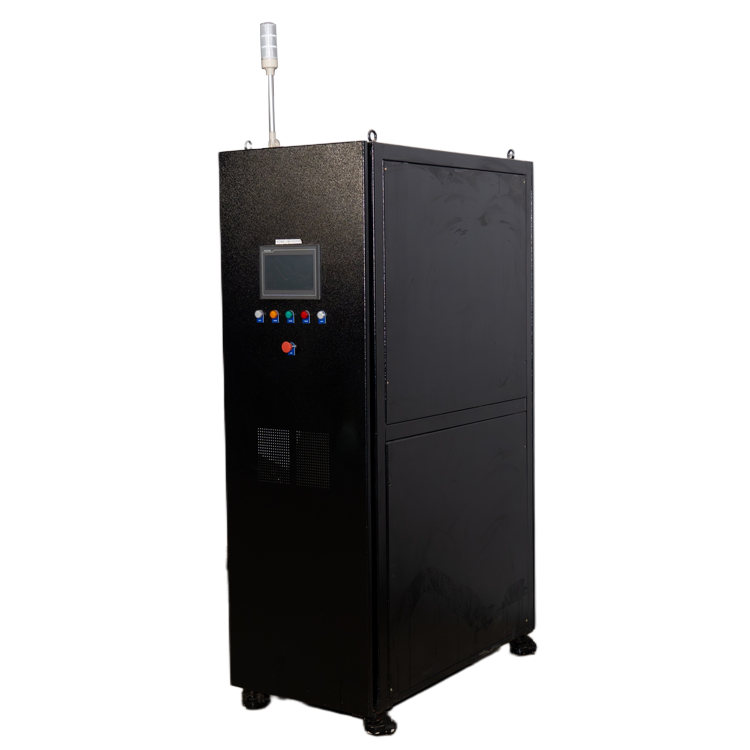
 Cabinet-Type CDUThe cabinet mounted CDU (Coolant Distribution Unit) is an integrated cooling distribution solution housed within a standalone cabinet. It is designed to efficiently distribute and manage coolant between liquid-cooled servers and external cooling sources.
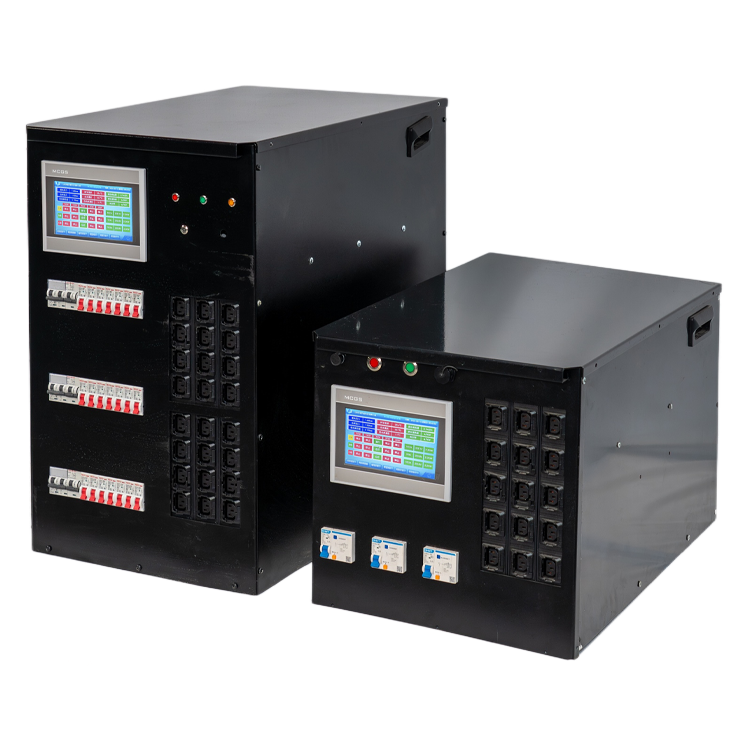
 Liquid-Cooled Dummy LoadLiquid-cooled dummy load is a specialized device used for testing electrical equipment, primarily in scenarios such as data centers, power plants, and UPS systems to simulate electrical loads.
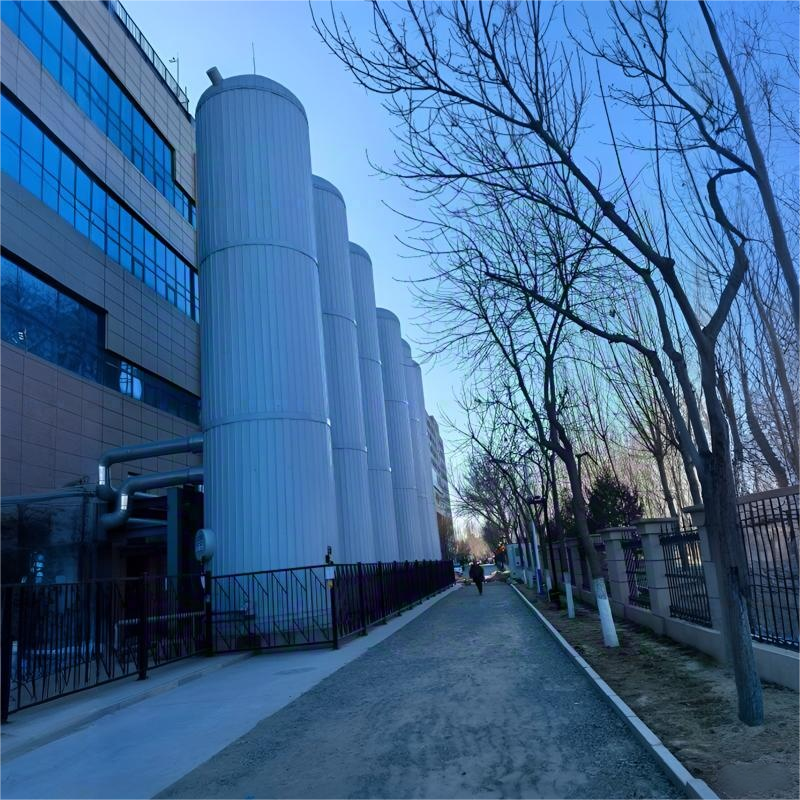
 Cold Storage TankA chilled water storage tank is used to store cooling energy by accumulating it during off-peak electricity hours and releasing it during peak demand to supply air conditioning systems.
Leave A Message
If you are interested in our products and want to know more details, please leave a message here, we will reply you as soon as we can.