


Top 3 Mistakes to Avoid When Implementing Variable Frequency Water Supply
Introduction
Implementing variable frequency water supply (VFWS) systems can significantly boost energy efficiency in data centers, yet many operators unknowingly make costly mistakes during deployment. As specialists in data center cooling solutions, we reveal the top 3 pitfalls to avoid when integrating VFWS technology - from improper pump sizing to ignoring system harmonics - helping technical teams, facility managers, and procurement specialists optimize their water distribution systems for peak performance and energy savings.
Mistake #1: Incorrect Pump Sizing and Selection
One of the most common errors in VFWS implementation is improper pump sizing. Many operators assume that simply matching pump capacity to maximum flow requirements is sufficient. However, variable frequency systems require careful analysis of the entire operating range. Oversized pumps not only increase initial costs but also lead to inefficient operation at partial loads, negating the energy-saving benefits of VFWS technology.
To avoid this mistake, engineers should conduct a thorough hydraulic analysis that considers:
- Peak and minimum flow requirements throughout daily operations
- System head characteristics at various flow rates
- Pump efficiency curves across the entire operating range
- Future expansion needs without excessive oversizing
Proper pump selection for variable frequency water supply systems can reduce energy consumption by up to 30% compared to conventional constant-speed systems, according to industry benchmarks. This is particularly crucial when integrating with thermal storage solutions like Cold Storage Tank systems, where precise flow control maximizes the efficiency of stored cooling energy utilization.
Mistake #2: Neglecting System Harmonics and Electrical Compatibility
Variable frequency drives (VFDs) introduce harmonic distortion into electrical systems, a factor often overlooked during VFWS implementation. These harmonics can cause overheating of transformers and motors, premature equipment failure, and interference with sensitive data center equipment. The problem becomes particularly acute in facilities with multiple VFDs operating simultaneously.
To mitigate harmonic issues, consider these technical solutions:
- Install active harmonic filters at critical points in the electrical distribution system
- Specify VFDs with built-in harmonic mitigation technology (18-pulse or active front-end designs)
- Implement proper grounding and shielding for all control wiring
- Conduct power quality analysis before and after VFWS installation
Modern data centers implementing variable frequency water supply systems should budget 5-10% of the VFD cost for proper harmonic mitigation. This investment pays for itself by preventing costly downtime and extending equipment lifespan, particularly in mission-critical cooling applications.
Mistake #3: Inadequate Control Strategy Integration
Simply installing VFDs on pumps doesn't guarantee energy savings. Many operators fail to develop comprehensive control strategies that optimize the entire water distribution system. This includes poor integration with building automation systems (BAS), lack of pressure and temperature zoning, and failure to implement advanced control algorithms.
Effective control strategies for VFWS should incorporate:
When properly integrated with thermal storage solutions like Cold Storage Tank units, advanced VFWS control strategies can shift cooling loads to off-peak periods, further reducing energy costs. This is particularly valuable in regions with time-of-use electricity pricing structures.
Conclusion and Next Steps
Avoiding these three common mistakes in variable frequency water supply implementation can mean the difference between achieving promised energy savings and facing disappointing performance. Proper pump sizing, harmonic mitigation, and control strategy integration form the foundation of successful VFWS deployment in data center cooling applications.
As a specialist in energy-efficient cooling solutions for data centers, Shandong Liangdi Energy Saving Technology offers comprehensive support for VFWS system design, implementation, and optimization. Our expertise extends to integrated solutions combining variable frequency technology with thermal storage and advanced control systems.
For facility managers and technical teams looking to maximize the benefits of variable frequency water supply systems, we recommend:
- Conducting a detailed system assessment before implementation
- Partnering with experienced VFWS specialists for design and commissioning
- Implementing continuous monitoring and optimization post-installation
Contact our engineering team today to discuss how we can help you avoid these common pitfalls and achieve optimal performance from your variable frequency water supply investment.
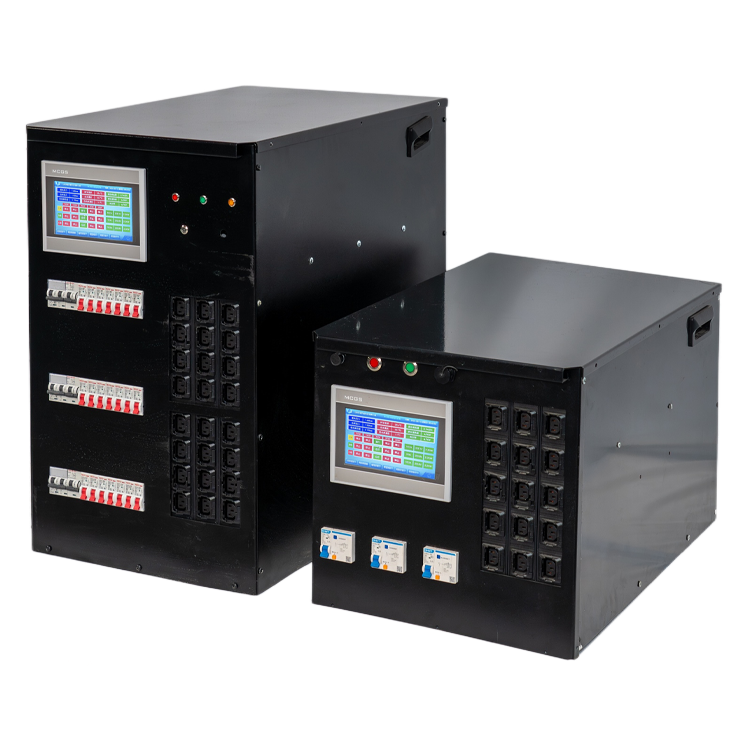
 Liquid-Cooled Dummy LoadLiquid-cooled dummy load is a specialized device used for testing electrical equipment, primarily in scenarios such as data centers, power plants, and UPS systems to simulate electrical loads.
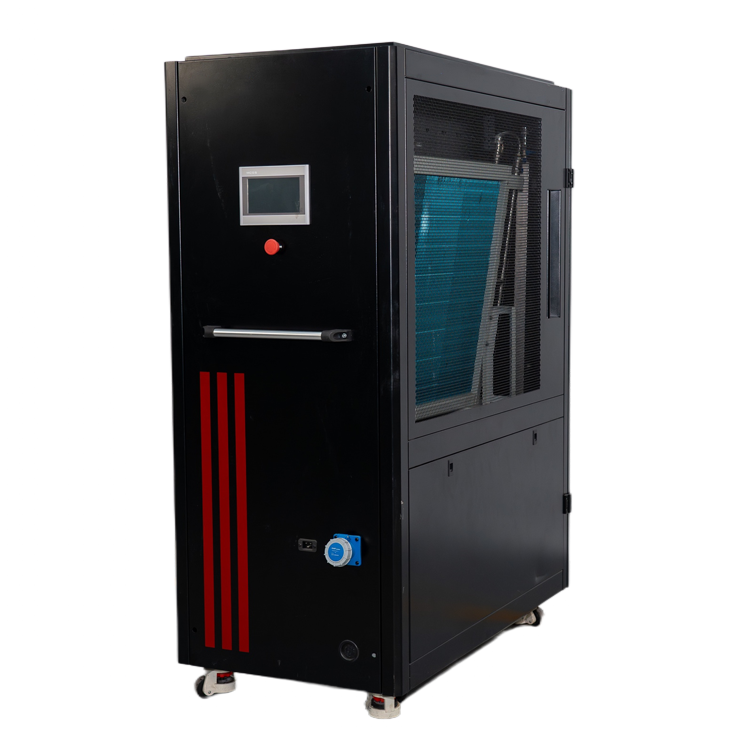
 Liquid Cooling Emergency DeviceA liquid-cooled emergency unit is a device designed to rapidly cool critical equipment or systems in emergency situations. Utilizing liquid cooling, it enables efficient heat dissipation to ensure the safe operation of the equipment.
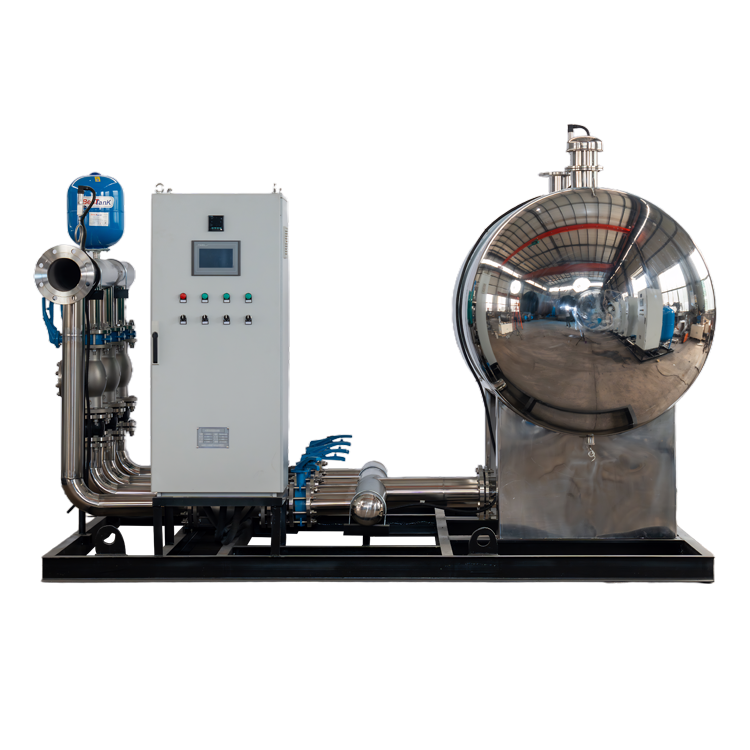
 Non-Negative Pressure Variable Frequency Water Supply UnitThe non-negative pressure variable frequency water supply unit provides pressurized water supply based on the municipal water network. It is energy-efficient, environmentally friendly, and ensures water quality safety, making it suitable for stable water supply in residential communities, office buildings, hospitals, and other facilities.
Leave A Message
If you are interested in our products and want to know more details, please leave a message here, we will reply you as soon as we can.