


5 Critical Factors to Consider When Choosing a Cold Storage Tank for Your Renewable Energy Project
Introduction
Selecting the right cold storage tank is crucial for optimizing your renewable energy project's efficiency and longevity. As a key component in thermal energy storage systems, the cold storage tank directly impacts performance, cost-effectiveness, and sustainability. This guide explores 5 critical factors every technical evaluator, operator, and researcher should consider when choosing cold storage solutions - from material durability to thermal efficiency standards. Whether you're designing a new system or upgrading existing infrastructure, these insights will help you make informed decisions for your energy storage needs.
1. Material Durability and Corrosion Resistance
The material composition of your cold storage tank determines its lifespan and maintenance requirements. Stainless steel (particularly 304 and 316 grades) remains the industry standard for most applications due to its excellent corrosion resistance and structural integrity. For projects requiring extreme durability, consider duplex stainless steel or specially coated carbon steel options. Polyethylene tanks offer lightweight alternatives for certain applications but may lack the pressure-bearing capacity required for large-scale renewable energy systems. Always verify material certifications against international standards like ASTM A240 for stainless steel or EN 12573 for welded polyethylene tanks.
2. Thermal Efficiency and Insulation Performance
Thermal efficiency directly impacts your system's energy consumption and operational costs. Look for tanks with vacuum insulation panels (VIPs) or polyurethane foam insulation meeting ASTM C591 standards. The insulation's R-value should align with your operating temperature range - typically R-25 to R-30 for most renewable energy applications. Consider tanks with integrated temperature monitoring systems, similar to those found in our Liquid-Cooled Dummy Load, which features comprehensive thermal protection mechanisms including over-temperature safeguards and remote monitoring capabilities.
3. System Integration and Compatibility
Your cold storage tank must seamlessly integrate with existing thermal management systems. Evaluate connection types (flanged, threaded, or welded), pipe sizing compatibility, and control system interfaces. For data center applications, ensure compatibility with cooling distribution units (CDUs) and heat exchanger units. The tank's hydraulic characteristics should match your system's flow requirements - typically 0–10m³/h for most renewable energy projects. Modular designs offer flexibility for future capacity expansions without requiring complete system overhauls.
4. Operational Safety and Protection Features
Safety mechanisms are non-negotiable for cold storage tanks handling thermal fluids. Essential protections include pressure relief valves (PRVs) rated for at least 1.0MPa, leak detection systems, and fail-safe controls. Advanced systems should incorporate multiple redundant protections like those in our energy solutions, featuring simultaneous over-pressure, over-temperature, and grounding protections. For mission-critical applications, consider tanks with remote monitoring interfaces (such as 485 ports) that enable real-time performance tracking and predictive maintenance scheduling.
5. Total Cost of Ownership Analysis
Beyond initial purchase price, evaluate installation costs, energy efficiency savings, maintenance requirements, and expected service life. High-performance tanks may command 20-30% premium upfront but often deliver 50-70% lower lifecycle costs through reduced energy consumption and minimal downtime. Factor in potential incentives for energy-efficient equipment in your region. For specialized requirements, custom-designed solutions like our Liquid-Cooled Dummy Load (available in various power configurations) can optimize both performance and cost-efficiency for unique project needs.
Industry Standards and Certification Compliance
Reputable cold storage tanks should comply with multiple international standards including ASME BPVC Section VIII for pressure vessels, NSF/ANSI 61 for drinking water components, and ISO 14001 for environmental management systems. In the European market, CE marking and PED 2014/68/EU compliance are mandatory. For seismic zones, verify IBC and ASCE 7 compliance. These certifications ensure your equipment meets rigorous safety, performance, and environmental requirements while minimizing liability risks.
Why Choose Shandong Liangdi Energy Saving Technology
With over a decade of specialization in thermal management solutions, our Jinan-based facility combines cutting-edge R&D with stringent manufacturing standards. Our cold storage tanks incorporate proprietary technologies developed through extensive collaboration with renewable energy projects worldwide. From initial design consultation to after-sales support, we provide comprehensive solutions tailored to your specific energy storage requirements. Contact our engineering team today to discuss how our certified, high-efficiency cold storage solutions can enhance your project's performance and sustainability metrics.
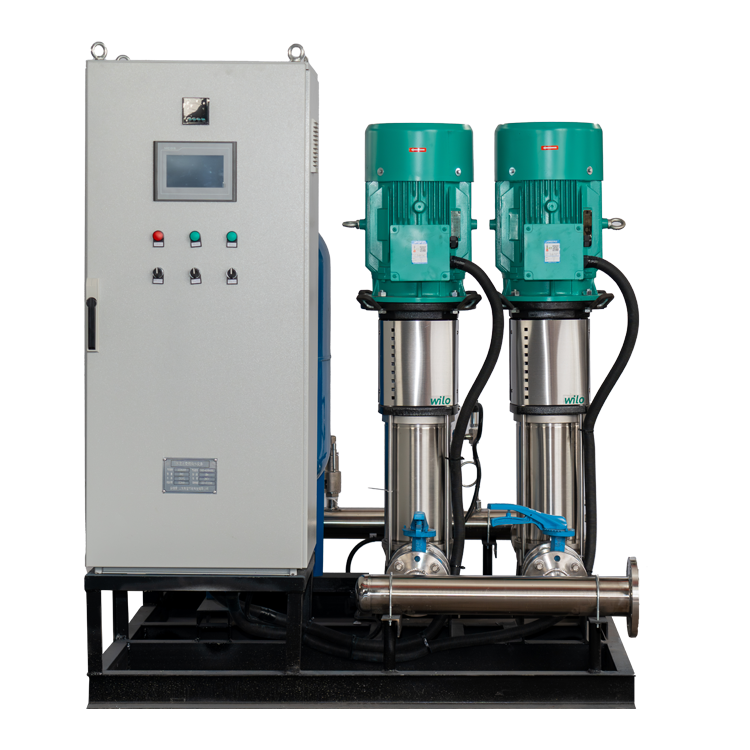
 Variable Frequency Water Supply UnitThe variable frequency water supply unit adjusts the pump speed to maintain constant pressure water supply. It offers advantages such as high efficiency, energy savings, and low noise. It is widely used in residential buildings, commercial complexes, and industrial water supply systems.
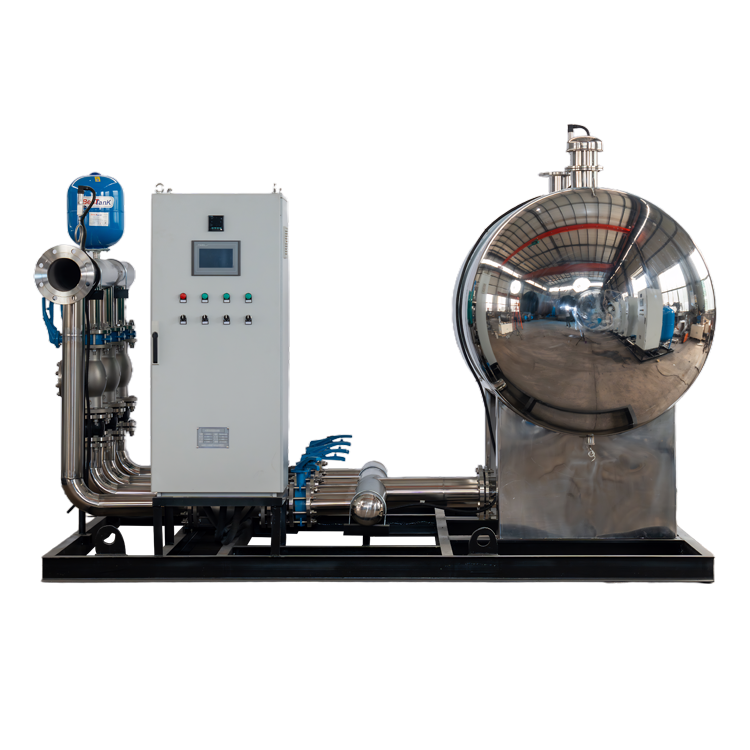
 Non-Negative Pressure Variable Frequency Water Supply UnitThe non-negative pressure variable frequency water supply unit provides pressurized water supply based on the municipal water network. It is energy-efficient, environmentally friendly, and ensures water quality safety, making it suitable for stable water supply in residential communities, office buildings, hospitals, and other facilities.
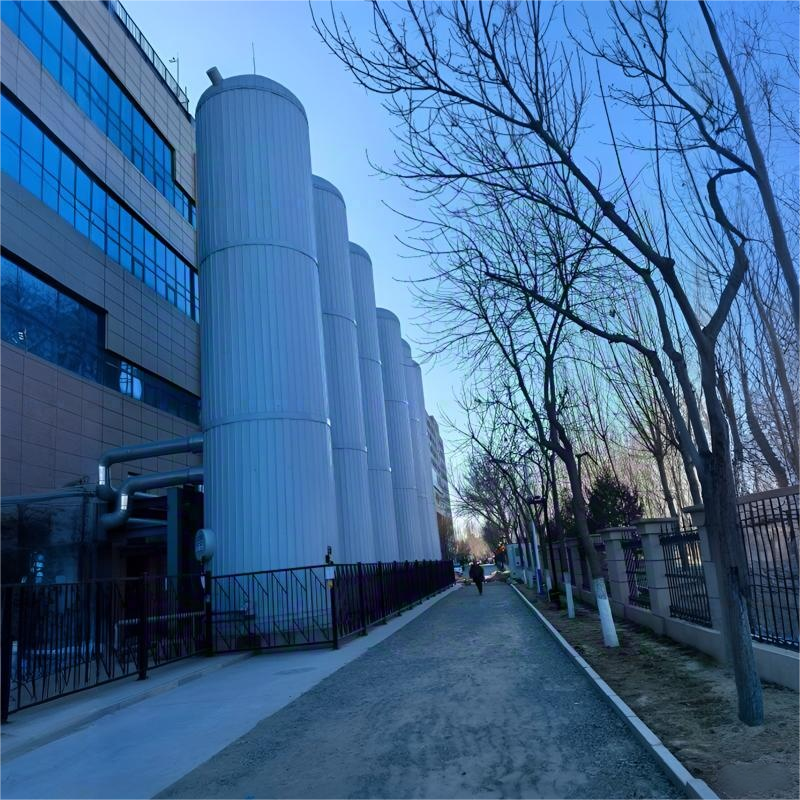
 Cold Storage TankA chilled water storage tank is used to store cooling energy by accumulating it during off-peak electricity hours and releasing it during peak demand to supply air conditioning systems.
Leave A Message
If you are interested in our products and want to know more details, please leave a message here, we will reply you as soon as we can.