


When Does Immersion Cooling NOT Make Sense? (3 Warning Signs)
While immersion cooling and CDU solutions offer revolutionary efficiency for modern data centers, they aren't always the optimal choice. Before investing in liquid cooling infrastructure, procurement professionals must recognize three critical warning signs where traditional cooling methods may prove more cost-effective. This article reveals the hidden scenarios when immersion cooling doesn't make financial or operational sense for your facility.
1. Low-Density Server Configurations: The Efficiency Threshold
Immersion cooling systems achieve maximum ROI in high-density computing environments (typically above 20kW per rack). However, facilities with predominantly low-power servers (under 10kW) often see diminished returns. The upfront costs of dielectric fluid, specialized racks, and CDU (Cooling Distribution Unit) infrastructure may outweigh the marginal energy savings compared to precision air cooling. A 2023 Uptime Institute report found that traditional cooling methods maintain a 12-18% cost advantage for sub-15kW deployments when factoring in maintenance and fluid replacement cycles.
Key Indicators for Procurement Teams:
- Over 60% of racks operate below 10kW continuous load
- Planned hardware refresh cycles exceed 5 years (legacy equipment compatibility issues)
- Existing air-cooled infrastructure has >5 years of remaining depreciation
2. Geographic Climate Advantages: Free Cooling Potential
Data centers in temperate climates (annual average temperature below 15°C/59°F) can leverage air-side economizers for 6,000+ hours/year of free cooling. Modern indirect evaporative cooling systems now achieve PUE values of 1.15-1.25 in these regions—nearly matching liquid cooling efficiency at 30-40% lower capital expenditure. Notably, our Liquid Cooling Prefabricated Pipes become more economically justifiable when ambient temperatures exceed 25°C for prolonged periods, where traditional systems struggle to maintain optimal thermal conditions.
Climate-Specific Cost Analysis:
3. Regulatory and Facility Constraints
Building codes in seismic zones or high-rise data centers often prohibit large dielectric fluid volumes due to fire safety concerns. Similarly, retrofitting existing facilities may require structural reinforcements to support the additional weight of immersion tanks (up to 1,500kg/m²). The modular design of our prefabricated cooling solutions addresses some space constraints, but procurement teams must verify:
- Local fire suppression system compatibility with immersion fluids
- Floor load capacity certification (minimum 1,200kg/m² for single-phase systems)
- Waste fluid disposal regulations in your jurisdiction
When Immersion Cooling Makes Strategic Sense
Despite these caveats, liquid cooling becomes indispensable for AI/ML workloads, edge deployments in harsh environments, or facilities targeting PUE below 1.1. The Liquid Cooling Prefabricated Pipes demonstrate particular value in rapid deployment scenarios, where their standardized connections can reduce installation timelines by 40% compared to field-fabricated alternatives.
Emerging Use Cases with Strong ROI:
- Modular data centers with >30kW/rack GPU clusters
- Renewable-powered facilities where cooling accounts for >25% of energy use
- High-performance computing with strict thermal consistency requirements (±0.5°C)
Conclusion: A Balanced Procurement Approach
Immersion cooling represents a transformative technology—but not a universal solution. By carefully evaluating server density profiles, climate conditions, and facility constraints, procurement professionals can avoid costly misalignments between cooling infrastructure and operational needs. For projects where liquid cooling proves appropriate, prefabricated components offer measurable advantages in installation speed and long-term maintenance costs.
Contact Shandong Liangdi's engineering team today for a customized cooling assessment tailored to your data center's specific workload and geographic profile.
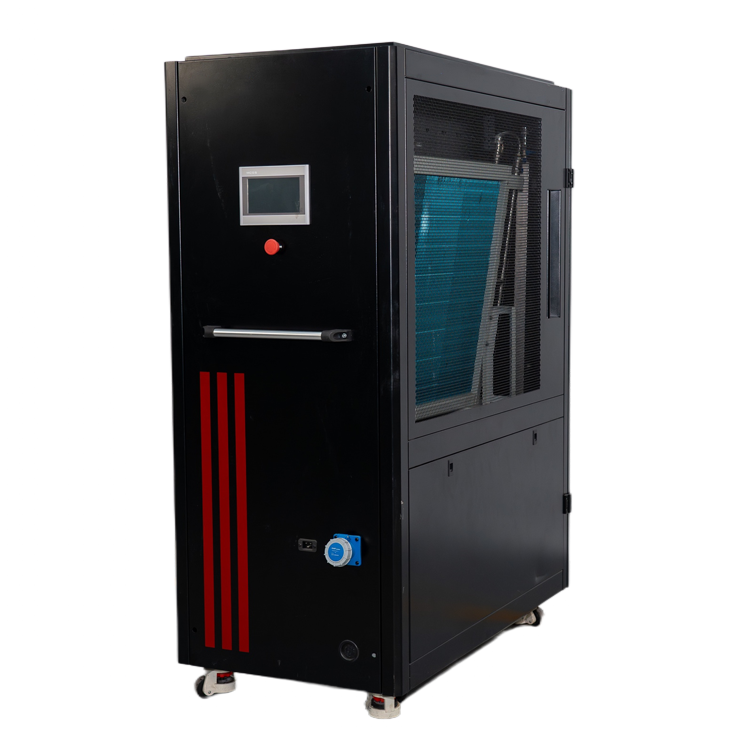
 Liquid Cooling Emergency DeviceA liquid-cooled emergency unit is a device designed to rapidly cool critical equipment or systems in emergency situations. Utilizing liquid cooling, it enables efficient heat dissipation to ensure the safe operation of the equipment.
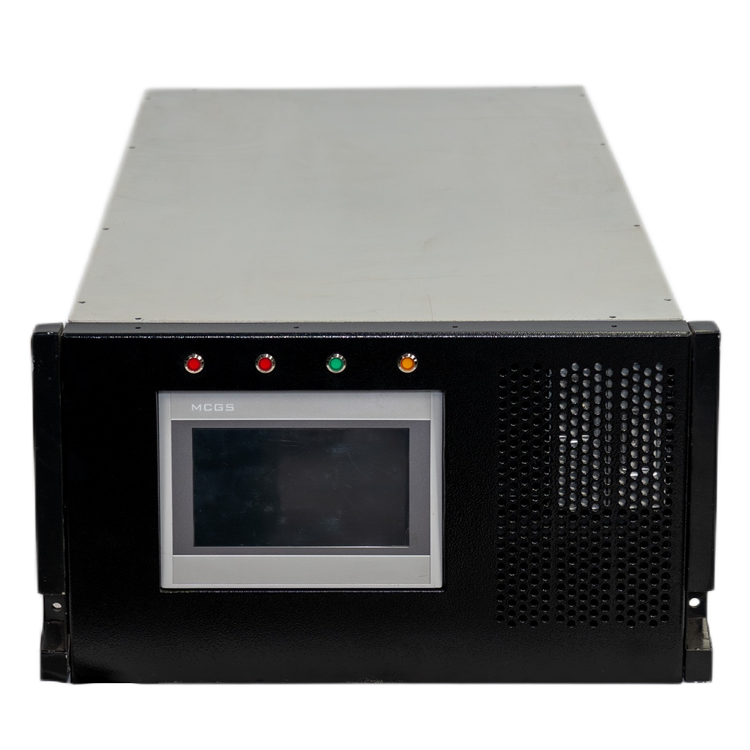
 Rack-Mounted CDUA rack-mounted CDU (Coolant Distribution Unit) is a cooling distribution device specifically designed for liquid-cooled data centers. It features a compact form factor, making it easy to deploy and maintain.
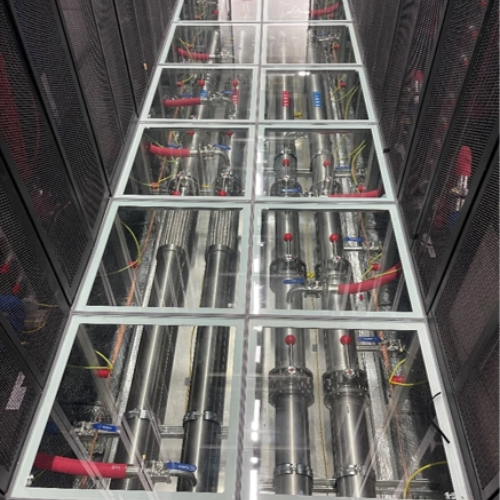
 Liquid Cooling Prefabricated PipesLiquid cooling prefabricated piping is a piping assembly designed and manufactured specifically for liquid cooling secondary systems. It is commonly used in liquid cooling data centers and can significantly shorten construction periods, improve project safety, enhance installation quality, and reduce project costs.
Leave A Message
If you are interested in our products and want to know more details, please leave a message here, we will reply you as soon as we can.