


Plate Heat Exchanger Unit Price Guide for B2B Buyers
Plate Heat Exchanger Unit Price is becoming a strategic signal in new energy projects
For procurement teams comparing suppliers, understanding Plate Heat Exchanger Unit Price is essential to balancing performance, energy efficiency, and long-term operating cost.
In the new energy and data centre sector, pricing depends on materials, heat transfer capacity, system design, and service support.
This guide helps B2B buyers evaluate key cost factors and make more informed purchasing decisions.
As energy systems become denser and more efficient, Plate Heat Exchanger Unit Price now reflects more than equipment cost alone.
It also signals reliability, lifecycle efficiency, integration value, and the supplier’s engineering depth.
Current market shifts are changing how Plate Heat Exchanger Unit Price is evaluated
In new energy infrastructure, buyers increasingly compare total value instead of initial quotation only.
That shift is especially clear in data centres, battery energy storage, industrial cooling, and integrated energy stations.
Higher thermal loads, stricter uptime targets, and carbon reduction goals are pushing specification standards upward.
As a result, Plate Heat Exchanger Unit Price varies more widely between standard units and engineered solutions.
Suppliers with in-house design, testing, and service capabilities often price differently from assembly-only vendors.
Why pricing gaps are widening
- Stainless steel grade, gasket quality, and corrosion resistance affect durability.
- Heat transfer area and pressure rating drive manufacturing complexity.
- Automation level, sensors, and control logic raise system intelligence.
- Customization for data centre cooling loops increases engineering hours.
- Energy-saving targets make higher-efficiency designs more attractive.
- Commissioning, after-sales support, and spare parts access influence long-term value.
The main drivers behind Plate Heat Exchanger Unit Price can be compared clearly
Cost pressure is also shifting across connected utility systems
Plate Heat Exchanger Unit Price should not be assessed in isolation from the wider cooling and water supply architecture.
Many facilities now optimize heat exchange together with pumping, distribution, storage, and smart control.
In some buildings, stable utility delivery matters as much as thermal efficiency.
This is why integrated support equipment, including Non-Negative Pressure Variable Frequency Water Supply Unit, is gaining attention.
Such systems support pressurized water supply from the municipal network while protecting water quality safety.
They are widely used in residential communities, office buildings, and hospitals where stable delivery is critical.
For energy-focused projects, an energy-efficient and environmentally friendly utility layout can lower total system operating costs.
Different business stages feel Plate Heat Exchanger Unit Price in different ways
At the planning stage, a low quoted Plate Heat Exchanger Unit Price may appear competitive.
However, undersized capacity or weak material selection can create redesign costs later.
During installation, poor interface matching may increase piping changes and project delays.
In operation, lower efficiency often causes hidden energy expenses that exceed the initial savings.
For maintenance teams, limited access to replacement plates, gaskets, or technical support raises downtime risk.
The most common impact areas
- CAPEX planning becomes harder when specifications are not normalized.
- OPEX rises when heat transfer efficiency declines faster than expected.
- Expansion projects face compatibility issues with non-standard unit designs.
- Compliance risk increases when testing documents are incomplete.
- Service interruptions become more likely without responsive technical support.
What deserves closer attention before accepting a Plate Heat Exchanger Unit Price
- Check whether heat duty is based on real operating temperatures.
- Verify plate material, gasket brand, and pressure testing scope.
- Ask whether controls support remote monitoring and alarm linkage.
- Review footprint, maintenance clearance, and pipeline connection logic.
- Confirm delivery time for spare parts and technical response speed.
- Compare warranty terms with expected service conditions.
- Request lifecycle energy consumption estimates, not only base price.
These checks make Plate Heat Exchanger Unit Price easier to compare on a consistent basis.
A practical way to judge future value is to compare more than quotation sheets
The next step is to align Plate Heat Exchanger Unit Price with system-level efficiency goals
In new energy and data centre applications, the best decision usually balances thermal performance, control quality, and service reliability.
Shandong Liangdi Energy Saving Technology Co., Ltd. focuses on cooling distribution units, manifolds, cold storage tanks, heat exchanger units, and water supply systems.
That product depth helps support integrated infrastructure decisions rather than isolated equipment sourcing.
A useful next step is to prepare a comparison sheet covering thermal duty, materials, controls, delivery scope, and lifecycle service.
When Plate Heat Exchanger Unit Price is reviewed through that lens, the most cost-effective option becomes much clearer.
- Variable frequency water supply unit
- Plate heat exchanger unit
- Variable Frequency Water Supply
- Cold Storage Tank
- Heat Exchanger Unit
- Non-Negative Pressure Variable Frequency Water Supply Unit
- cold storage tank
- heat exchanger
- variable frequency water supply unit
- plate heat exchanger
- Heat Exchanger Unit price
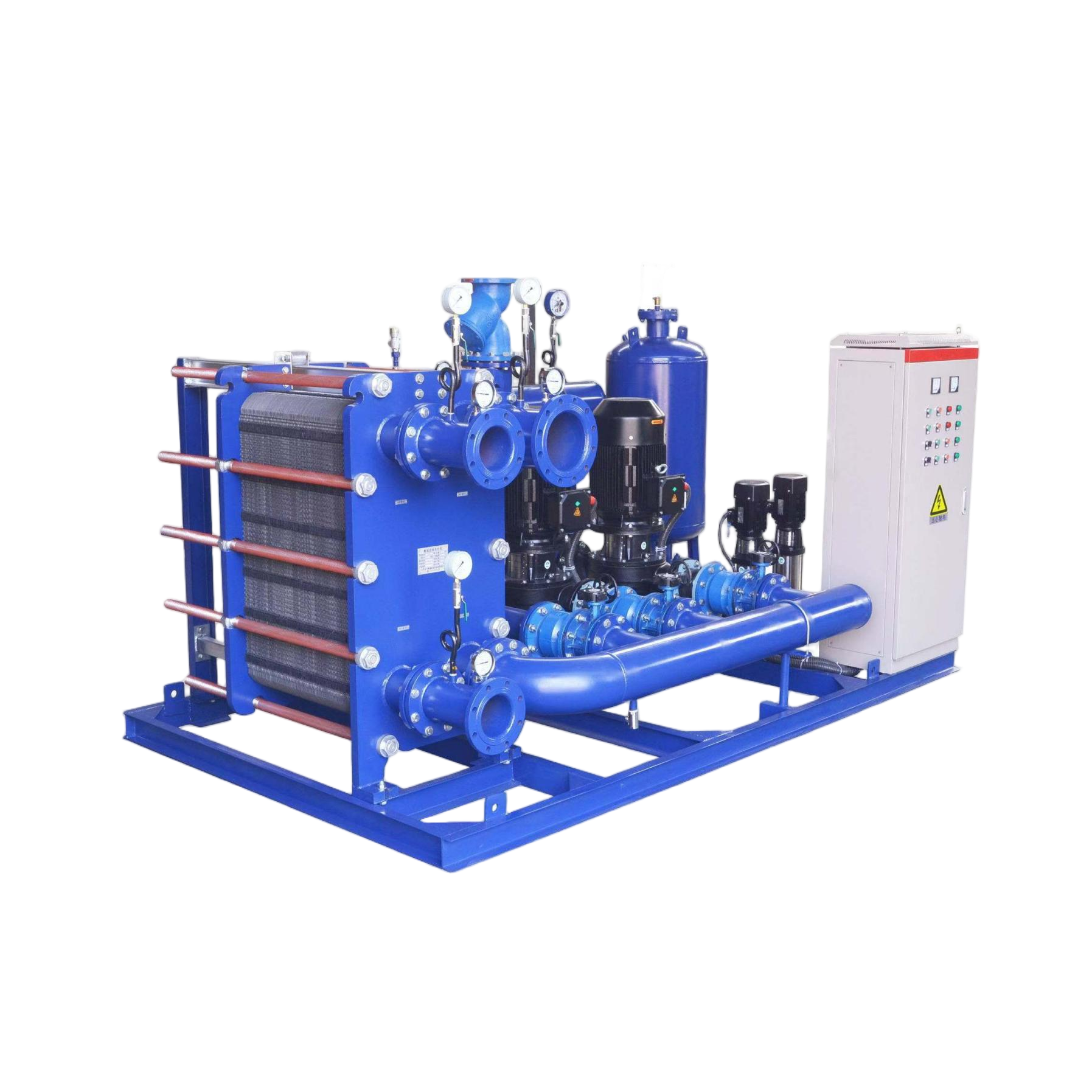
 Heat Exchanger UnitThe heat exchange unit integrates the heat exchanger, water pump, and control system into one, and is used for heating and industrial hot water systems. It features energy efficiency, high performance, easy installation, and a high degree of automation, and supports customized configurations.
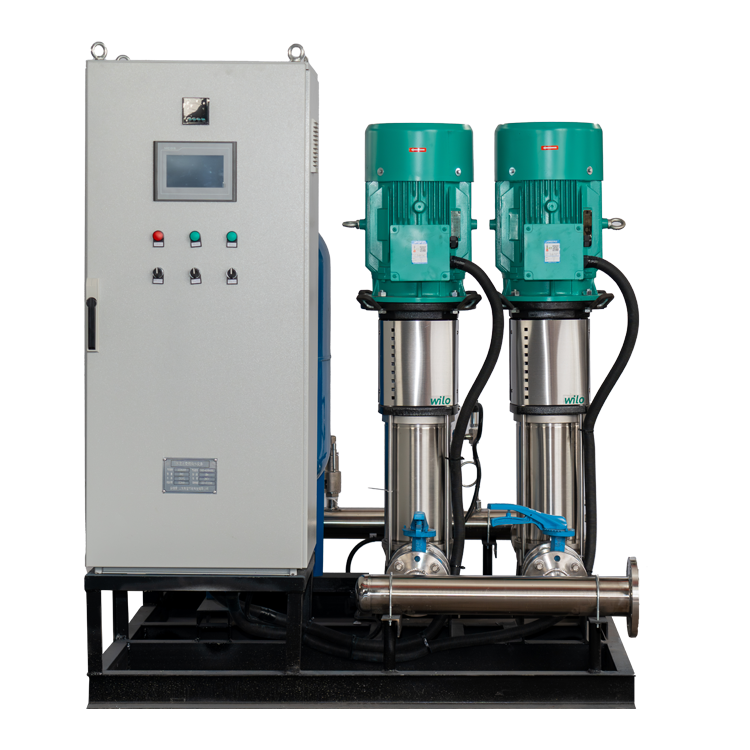
 Variable Frequency Water Supply UnitThe variable frequency water supply unit adjusts the pump speed to maintain constant pressure water supply. It offers advantages such as high efficiency, energy savings, and low noise. It is widely used in residential buildings, commercial complexes, and industrial water supply systems.
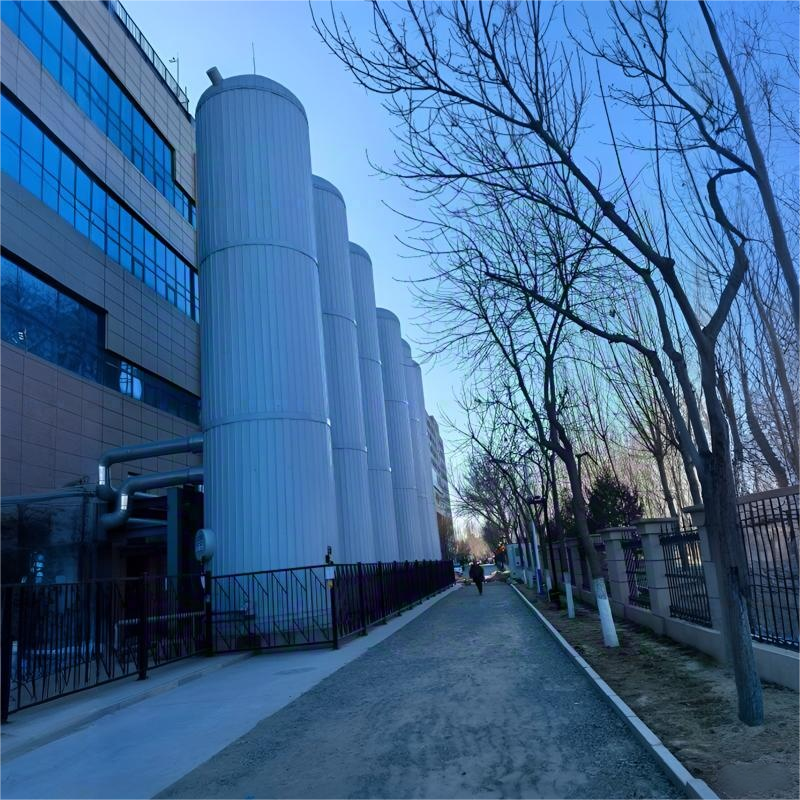
 Cold Storage TankA chilled water storage tank is used to store cooling energy by accumulating it during off-peak electricity hours and releasing it during peak demand to supply air conditioning systems.
Leave A Message
If you are interested in our products and want to know more details, please leave a message here, we will reply you as soon as we can.