


Maintenance Manual for Industrial Heat Exchanger Units
Industrial heat exchanger units are central to uptime, energy efficiency, and equipment protection in new energy facilities and data centre cooling systems. In practice, most users searching for a maintenance manual want one thing first: a clear way to prevent performance loss, leakage, fouling, and unplanned shutdowns without over-maintaining the system.
They are usually concerned with inspection frequency, warning signs of failure, cleaning methods, water quality control, spare parts planning, and how maintenance affects thermal performance and operating cost. For managers, the key issue is risk reduction and service life. For technicians, the key issue is what to check, when to check it, and what action to take.
This maintenance manual for industrial heat exchanger units focuses on the areas that matter most in real operation: preventive maintenance routines, fault indicators, cleaning strategy, operating records, and practical decisions that improve reliability. It is especially relevant to modern cooling distribution systems used in energy-saving and high-load environments.
What matters most in industrial heat exchanger maintenance
The most effective maintenance approach is preventive rather than reactive. Once a heat exchanger unit shows obvious temperature deviation, pressure instability, or leakage, system efficiency has often already dropped, and operating risk has increased.
In data centre and new energy applications, even a small reduction in heat transfer performance can lead to higher pump load, elevated return temperatures, unstable cooling capacity, and avoidable energy waste across the system.
A practical maintenance program should therefore focus on five priorities: thermal performance, pressure integrity, fluid quality, mechanical condition, and control response. These five factors provide the clearest picture of whether the unit is operating safely and efficiently.
Daily and weekly inspection checklist
Routine inspection is the foundation of long-term reliability. Operators should record inlet and outlet temperatures, pressure drop across the heat exchanger, pump status, valve position, flow condition, and any unusual vibration or sound.
Visual inspection should include flange joints, seals, pipe connections, drain points, vents, instrument interfaces, and insulation condition. Even minor moisture marks can be an early signal of gasket degradation or tightening issues.
Check whether temperature readings are consistent with expected load conditions. If the heat transfer effect weakens while flow remains stable, internal fouling or scaling may already be developing inside the unit.
Control components also deserve attention. Sensors, actuated valves, and alarms should be confirmed as responsive and correctly calibrated, because inaccurate signals may cause the unit to appear mechanically normal while actual cooling performance is drifting.
Monthly and quarterly preventive maintenance tasks
On a monthly basis, maintenance teams should verify fastener tightness, inspect support structures, confirm pump and valve operation, and compare actual data with baseline commissioning values. Trend comparison is often more useful than isolated readings.
Quarterly maintenance should include a deeper review of water quality, strainers, filters, and any signs of internal contamination. If the system uses treated water or special coolant, concentration and cleanliness should remain within the design range.
Pressure drop is one of the most important indicators. A gradual increase usually suggests blockage, fouling, or restricted passage flow. If pressure drop rises while outlet temperature control worsens, internal cleaning may be necessary.
Maintenance records should also capture whether operating loads have changed. Many heat exchanger problems are not caused by component failure alone, but by the unit being forced to operate under conditions beyond the original design assumptions.
How to identify common failure signs early
Most industrial heat exchanger units do not fail without warning. Common early signs include lower heat exchange efficiency, unstable outlet temperature, unusual pressure fluctuation, repeated air accumulation, external seepage, and rising energy consumption.
Fouling is among the most frequent causes of declining performance. It reduces heat transfer efficiency, increases hydraulic resistance, and can create uneven thermal stress. If left untreated, it may shorten equipment life and affect adjacent cooling equipment.
Leakage is another critical issue. External leakage is easier to detect, but internal leakage between media circuits may be more dangerous because it can contaminate the system and degrade overall process stability without immediate visual evidence.
Abnormal vibration or noise may indicate flow disturbance, trapped air, pump mismatch, loose supports, or valve problems. These symptoms should never be treated as minor if they persist beyond short-term operating changes.
Cleaning methods and when to use them
Cleaning strategy depends on the type of fouling, unit structure, operating fluid, and shutdown tolerance. Mechanical cleaning is useful when deposits are accessible and solid. Chemical cleaning is often preferred for scale, biofilm, or fine internal buildup.
Before cleaning, isolate the unit, release pressure safely, verify fluid temperature, and follow site lockout procedures. Cleaning should never begin until the cause of performance loss is reasonably confirmed through operating data and inspection.
Chemical cleaning requires compatibility review. The wrong cleaning agent may damage plates, tubes, seals, or protective layers. For that reason, cleaning chemistry should match both deposit type and equipment material.
After cleaning, the unit should be flushed thoroughly and returned to service only after leak checks, pressure verification, and baseline performance comparison. A successful cleaning process should show measurable recovery in heat transfer and pressure drop.
Water quality control is not optional
In many systems, poor fluid quality is the root cause behind repeated maintenance problems. Suspended solids, hardness, corrosion products, microorganisms, and improper pH can all accelerate fouling, corrosion, and efficiency loss.
For industrial heat exchanger units serving data centres or energy-saving cooling loops, stable water treatment is just as important as mechanical inspection. Without it, even well-built equipment may require frequent cleaning and suffer shortened service life.
Operators should define acceptable ranges for conductivity, pH, hardness, oxygen content, and particulate load according to system design. Sampling and trend review should be routine, not just performed after a problem appears.
Where operational continuity is critical, emergency thermal protection planning also matters. In some high-risk scenarios, a dedicated solution such as the Liquid Cooling Emergency Device can support rapid cooling and efficient heat dissipation to protect critical equipment during abnormal conditions.
Maintenance planning for uptime and energy efficiency
Good maintenance is not only about avoiding breakdowns. It also affects power usage, cooling stability, equipment life, and operating cost. A neglected heat exchanger unit can quietly increase system energy consumption long before it fully fails.
Managers should evaluate maintenance by business outcomes: fewer shutdowns, lower repair frequency, stable thermal control, and better asset life cycle performance. Technicians should evaluate it by measurable operating consistency and fault reduction.
It is useful to divide maintenance into daily observation, scheduled preventive work, condition-based intervention, and annual shutdown inspection. This layered structure helps reduce unnecessary disassembly while still catching hidden risk early.
Spare parts planning should include gaskets, sensors, valves, sealing elements, and critical instrumentation. If replacement items are not available when needed, a minor issue can quickly become a long outage.
What to document after every service action
Maintenance quality improves significantly when every intervention is documented. Records should include date, operating condition, observed fault, measured temperatures, pressure data, cleaning method, replaced parts, and post-service performance results.
These records make trend analysis possible. If the same symptom repeats every few months, the true issue may be system design, water treatment, or control logic rather than the heat exchanger unit itself.
Documentation also supports better communication between operations teams, maintenance teams, and management. It helps justify preventive budgets and provides evidence for future upgrade decisions in expanding cooling infrastructure.
For facilities with strict continuity demands, maintenance records should additionally note whether backup cooling provisions or emergency response tools were available, including resources such as a Liquid Cooling Emergency Device where rapid response is required.
Choosing the right maintenance mindset for modern cooling systems
Industrial heat exchanger maintenance today is no longer just a mechanical task. In new energy and data centre environments, it is part of a broader reliability strategy that links thermal control, energy efficiency, digital monitoring, and risk management.
Companies such as Shandong Liangdi Energy Saving Technology Co., Ltd., with experience in cooling distribution units, manifolds, cold storage tanks, heat exchanger units, and related water systems, reflect how integrated cooling infrastructure demands more systematic maintenance thinking.
The best results come from combining routine inspection, fluid management, condition monitoring, professional cleaning, and accurate records. This approach reduces uncertainty and keeps the unit aligned with real operating demands.
Conclusion
A strong maintenance manual for industrial heat exchanger units should help users prevent the problems that matter most: thermal performance decline, leakage, fouling, unstable operation, and avoidable downtime. The goal is not simply to service equipment on schedule, but to maintain dependable cooling capacity over time.
If operators focus on inspection discipline, water quality, early fault signals, and documented preventive action, they can extend equipment life and improve overall system efficiency. For modern energy-saving and data centre applications, that is the difference between reactive maintenance and controlled, reliable performance.
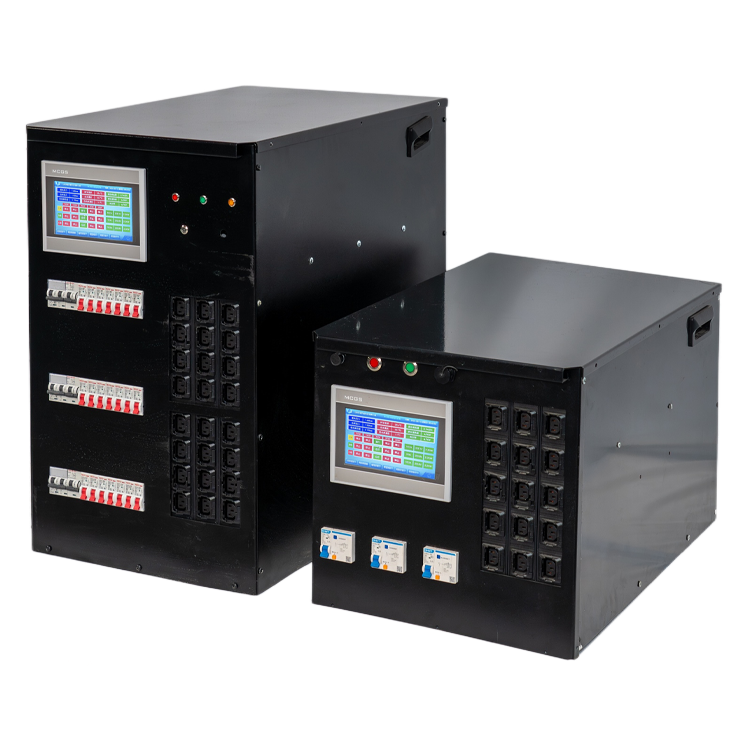
 Liquid-Cooled Dummy LoadLiquid-cooled dummy load is a specialized device used for testing electrical equipment, primarily in scenarios such as data centers, power plants, and UPS systems to simulate electrical loads.
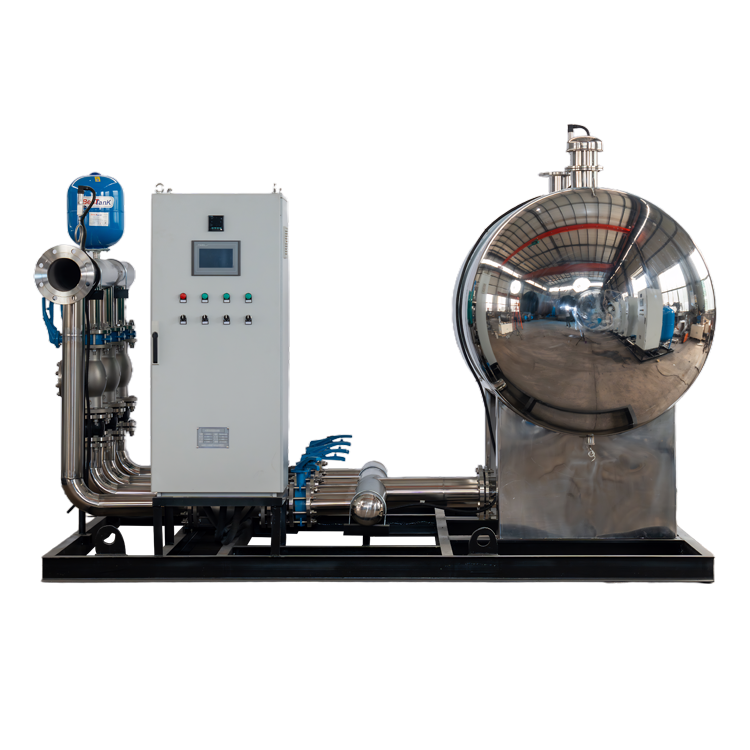
 Non-Negative Pressure Variable Frequency Water Supply UnitThe non-negative pressure variable frequency water supply unit provides pressurized water supply based on the municipal water network. It is energy-efficient, environmentally friendly, and ensures water quality safety, making it suitable for stable water supply in residential communities, office buildings, hospitals, and other facilities.
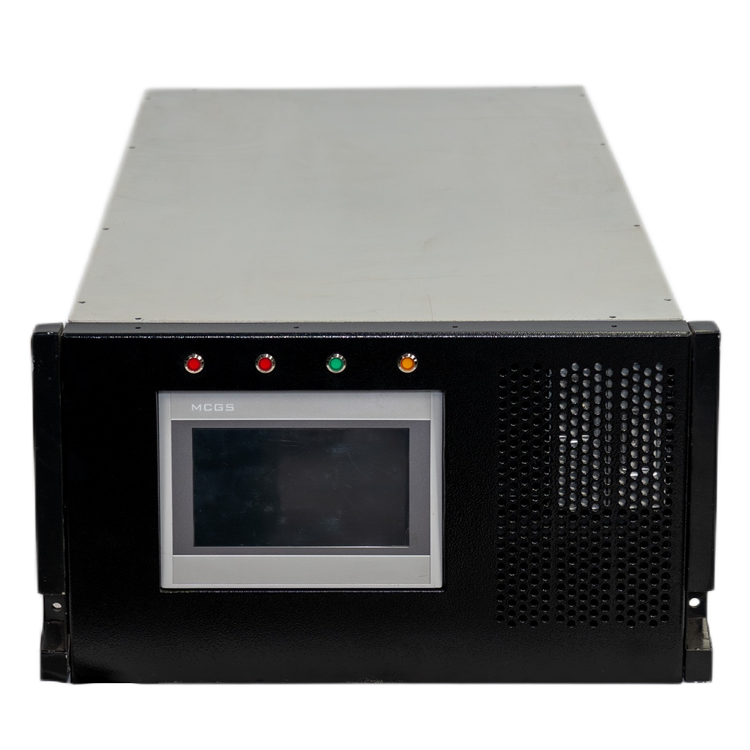
 Rack-Mounted CDUA rack-mounted CDU (Coolant Distribution Unit) is a cooling distribution device specifically designed for liquid-cooled data centers. It features a compact form factor, making it easy to deploy and maintain.
Leave A Message
If you are interested in our products and want to know more details, please leave a message here, we will reply you as soon as we can.