


Plate vs Shell and Tube Heat Exchanger Types for Energy Savings
Choosing between plate and shell and tube heat exchanger types is rarely a simple equipment decision. In new energy and data centre projects, it shapes power consumption, cooling stability, maintenance planning, and lifecycle cost at the same time.
That is why heat exchanger types deserve close review early in project evaluation. A unit that looks efficient on paper may lose value if fouling, pressure drop, space limits, or water quality are not matched to the real operating environment.
This matters even more in integrated thermal systems. Shandong Liangdi Energy Saving Technology Co., Ltd. develops CDU systems, manifolds, cold storage tanks, heat exchanger units, and water supply equipment for data centre applications, where energy performance depends on how each subsystem works together.
Why the comparison matters now
Across new energy infrastructure, thermal management is under stronger pressure than before. Facilities are expected to cut electricity use, support higher heat density, and keep uptime risk low during long operating cycles.
In that context, heat exchanger types are not interchangeable. Plate units often promise compact efficiency, while shell and tube units are valued for durability in tougher conditions. The better option depends on the duty, not on a general preference.
What separates plate and shell and tube designs
Plate heat exchangers transfer heat through thin corrugated plates. Their structure creates a large heat transfer area inside a compact footprint, which usually supports fast temperature response and high thermal efficiency.
Shell and tube heat exchangers move one fluid through tubes and another around them inside a shell. This layout is physically larger, but it handles pressure, temperature variation, and contamination more comfortably in many industrial settings.
For energy-saving evaluations, the real question is not which design is better overall. It is which of these heat exchanger types fits the required load profile, fluid condition, cleaning strategy, and allowable downtime.
A practical comparison
Where energy savings are really created
Energy savings do not come from the exchanger alone. They come from system matching. An efficient plate design can reduce approach temperature and pumping demand, but only if flow balance, water cleanliness, and control accuracy remain stable.
A shell and tube unit may consume more space, yet still lower overall operating cost if the site expects variable loads, mixed water conditions, or infrequent shutdown windows. In those cases, resilience becomes part of energy value.
This is why evaluations should connect heat exchanger types with pumps, storage, and distribution controls. For example, pairing exchanger performance with a pressure-stable supply system can reduce unnecessary pump cycling and improve part-load efficiency.
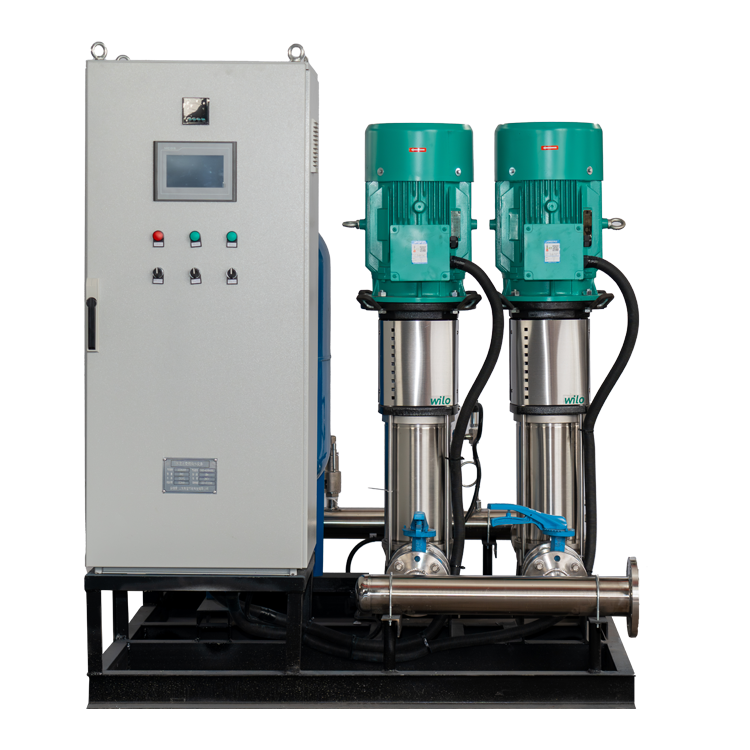
In broader utility design, a Variable Frequency Water Supply Unit can support that balance by adjusting pump speed to maintain constant pressure. With 1-2 pumps, 5-10m³/h flow, and 0.6/1.0/1.6MPa design pressure options, it fits many integrated water systems without forcing oversized operation.
Typical fit in data centre and new energy projects
In data centres, plate models are often attractive for CDU loops and secondary cooling circuits. Their compact layout helps when mechanical room space is limited and close temperature control is important.
Shell and tube heat exchanger types are often considered for primary loops, industrial cooling water, or locations with higher contamination risk. They can be a more forgiving choice when water treatment quality cannot be guaranteed every day.
New energy stations, battery support systems, and hybrid cooling infrastructure often fall somewhere between those extremes. They may need compact equipment, but also require tolerance for load swings, seasonal variation, and long maintenance intervals.
Signals that shape the selection
- Expected water quality and fouling rate
- Available installation footprint
- Required approach temperature
- Pressure and temperature range
- Maintenance access and shutdown limits
- Interaction with pumps, tanks, and manifolds
What to review before making a business decision
The most useful comparison of heat exchanger types goes beyond purchase price. Capital cost is only one layer. Cleaning frequency, gasket replacement, spare parts planning, pumping energy, and thermal stability all change the real cost picture.
It also helps to check whether the selected equipment aligns with the rest of the hydraulic system. A mismatch between exchanger capacity and water supply control can erase the expected efficiency gain.
That is one reason integrated suppliers are often relevant in this sector. When exchanger units, manifolds, storage tanks, and control-based water supply are considered together, the final design usually reflects operating logic rather than isolated component preferences.
For instance, the same project may need exchanger selection and stable water delivery across 1000-50000m² service areas, with total system volume from 4-243m³ and operating temperature below 120°C. Those numbers affect both thermal design and expansion planning.
A sensible next step
When comparing plate vs shell and tube heat exchanger types, start with the duty conditions, not the catalog headline. Map the load range, fluid quality, cleaning window, and control strategy first.
Then compare total system impact: exchanger efficiency, pump behavior, maintenance burden, and expected service life. That approach gives a clearer basis for selecting among heat exchanger types in data centre and new energy projects.
A structured review of thermal demand, hydraulic stability, and equipment coordination usually leads to a better decision than focusing on one performance metric alone. In practice, that is where energy savings become durable rather than temporary.
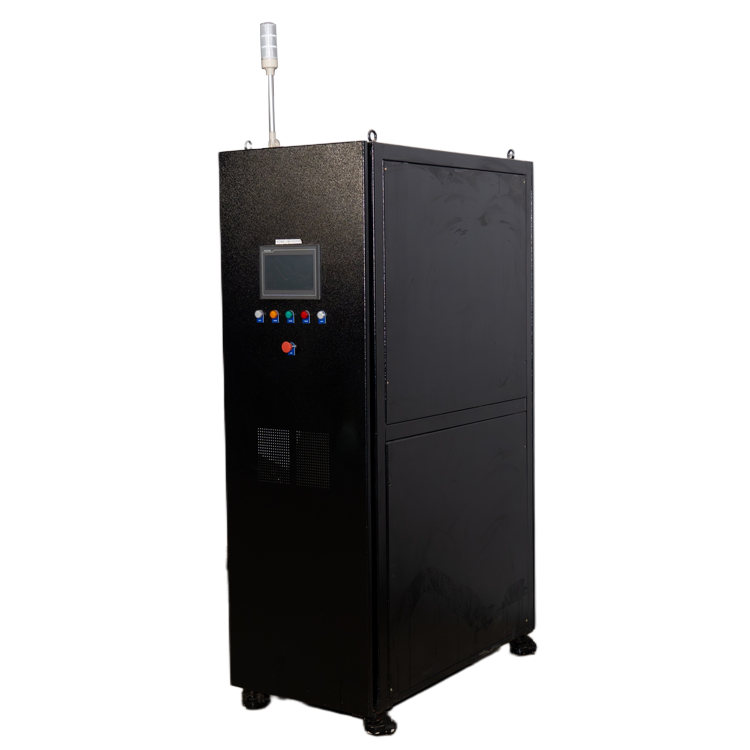
 Cabinet-Type CDUThe cabinet mounted CDU (Coolant Distribution Unit) is an integrated cooling distribution solution housed within a standalone cabinet. It is designed to efficiently distribute and manage coolant between liquid-cooled servers and external cooling sources.
 Variable Frequency Water Supply UnitThe variable frequency water supply unit adjusts the pump speed to maintain constant pressure water supply. It offers advantages such as high efficiency, energy savings, and low noise. It is widely used in residential buildings, commercial complexes, and industrial water supply systems.
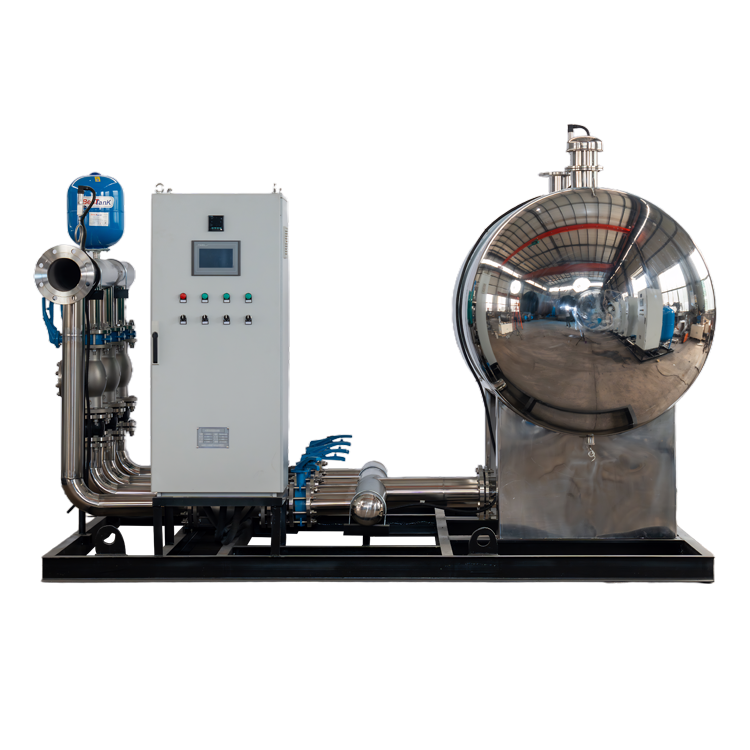
 Non-Negative Pressure Variable Frequency Water Supply UnitThe non-negative pressure variable frequency water supply unit provides pressurized water supply based on the municipal water network. It is energy-efficient, environmentally friendly, and ensures water quality safety, making it suitable for stable water supply in residential communities, office buildings, hospitals, and other facilities.
Leave A Message
If you are interested in our products and want to know more details, please leave a message here, we will reply you as soon as we can.