


Heat Exchange Equipment Explained: Main Types, Working Principles, and Use Cases
Why does heat exchange equipment matter so much in modern thermal systems?
Heat exchange equipment sits at the center of energy transfer. It moves heat where it is needed, or removes it where it becomes a problem.
That sounds simple, but the impact is broad. In data centres, battery systems, power conversion rooms, and industrial cooling loops, temperature control directly affects stability, efficiency, and service life.
In new energy applications, wasted heat is rarely just a comfort issue. It can raise operating costs, reduce output, and increase maintenance frequency.
This is why heat exchange equipment is closely tied to liquid cooling, CDU design, water distribution, and integrated thermal management. Companies such as Shandong Liangdi Energy Saving Technology Co., Ltd. work in this space because thermal control is no longer a side function. It is part of core system performance.
What exactly is heat exchange equipment, and how does it work?
At its core, heat exchange equipment transfers heat between two media. Usually, these media are liquids, air, or a liquid and a gas.
The two fluids do not always mix. In many systems, they stay separated by a metal surface. Heat passes through that surface from the hotter side to the cooler side.
The driving force is temperature difference. The larger the difference, the easier heat transfer becomes. Flow rate, surface area, material, and pressure conditions also shape real performance.
In practice, heat exchange equipment is selected to do one of three things:
- cool a process or device,
- recover usable heat,
- keep a loop thermally balanced.
That last point matters in high-density facilities. A well-matched exchanger can stabilize supply temperatures and reduce stress on pumps, valves, and downstream equipment.
Which main types appear most often, and where are they used?
Not all heat exchange equipment is built the same. The right type depends on thermal load, fluid quality, space limits, and maintenance expectations.
For new energy and digital infrastructure, plate heat exchangers are especially common because they offer strong heat transfer in a compact footprint. That makes integration easier where space is tight and response speed matters.
How do you judge which heat exchange equipment fits a project?
A common mistake is choosing by capacity alone. Real selection starts with the thermal profile of the whole system.
More useful questions include water quality, allowable pressure drop, peak load changes, maintenance access, and future expansion.
In actual projects, the better judging method is to check five points together:
- required heat duty under normal and peak conditions,
- inlet and outlet temperature targets,
- fluid cleanliness and corrosion risk,
- pressure rating and flow stability,
- serviceability over the equipment lifecycle.
For example, thermal systems linked to CDU networks or manifold-based water distribution often need fine flow control, not just raw exchange area. That is why upstream and downstream coordination matters as much as the exchanger body itself.
Where do use cases become more specialized?
The wider the energy system, the more specific the role of heat exchange equipment becomes. In one setting, it protects electronics. In another, it supports load testing or heat recovery.
Data centres are a strong example. As rack density rises, liquid cooling loops need accurate heat transfer, stable water supply, and reliable monitoring. Heat exchange equipment becomes part of a controlled thermal chain rather than a standalone device.
That same logic appears in power plants and UPS-related environments. During testing, a liquid-cooled load device can simulate electrical loads while managing heat through pure water circulation cooling.
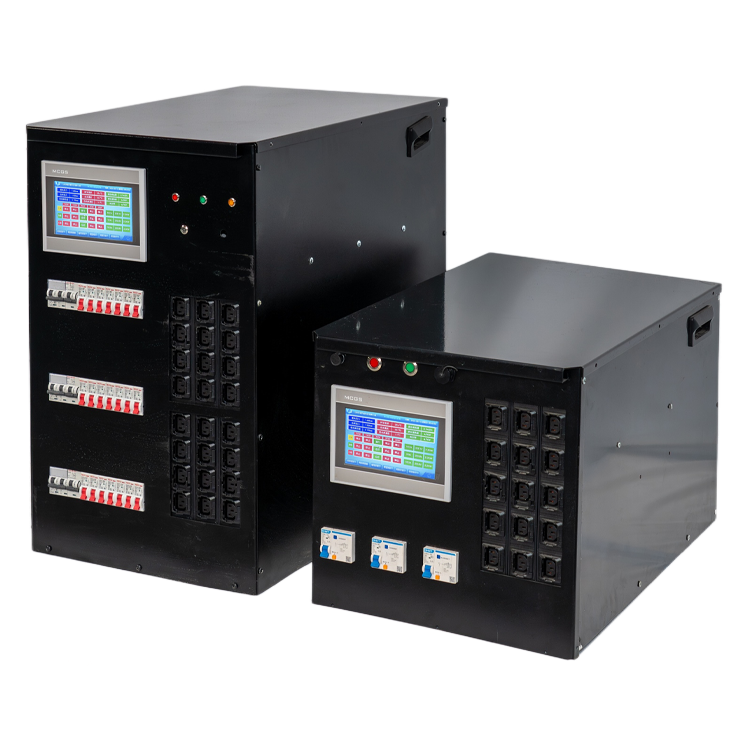
A practical reference is Liquid-Cooled Dummy Load. In systems that require thermal verification, remote monitoring, and controlled loading, this kind of solution shows how heat exchange equipment and test infrastructure often work together.
Features such as 30kW rated power, 0-10m³/h working flow, 485 remote transmission, and USB data export are useful not because they sound advanced, but because they support traceable thermal testing and operating records.
What problems are usually overlooked during operation?
Many operational issues come from mismatch, not from product failure. The exchanger may be sized correctly, yet still underperform because the loop design is unstable.
The most common overlooked issues are these:
- flow imbalance between branches,
- poor water treatment leading to scaling,
- incorrect control logic during load swings,
- insufficient protection against over-temperature or over-pressure,
- limited data visibility during troubleshooting.
This is one reason integrated thermal products increasingly include monitoring and protection functions. When a device can record status, export data, and trigger automatic protection above 60℃, fault analysis becomes faster and less guess-based.
Still, no protection feature replaces system design discipline. Heat exchange equipment performs best when hydraulics, controls, and maintenance routines are aligned from the start.
What is the best next step if you are still comparing options?
Start by defining the job the heat exchange equipment must do. Cooling, isolation, energy recovery, and test support are related needs, but they are not identical.
Then build a short comparison sheet around temperature range, flow rate, pressure tolerance, control method, footprint, and monitoring requirements. That makes it easier to compare different exchanger types on practical terms.
For projects connected to data centre cooling, new energy infrastructure, or liquid-based thermal testing, it also helps to review how the exchanger will work with CDUs, manifolds, tanks, and water supply units rather than treating it as an isolated purchase.
A clear decision usually comes from matching the thermal path, not from chasing the highest specification. Once that path is defined, the right heat exchange equipment becomes much easier to identify, compare, and implement with lower risk.
 Liquid-Cooled Dummy LoadLiquid-cooled dummy load is a specialized device used for testing electrical equipment, primarily in scenarios such as data centers, power plants, and UPS systems to simulate electrical loads.
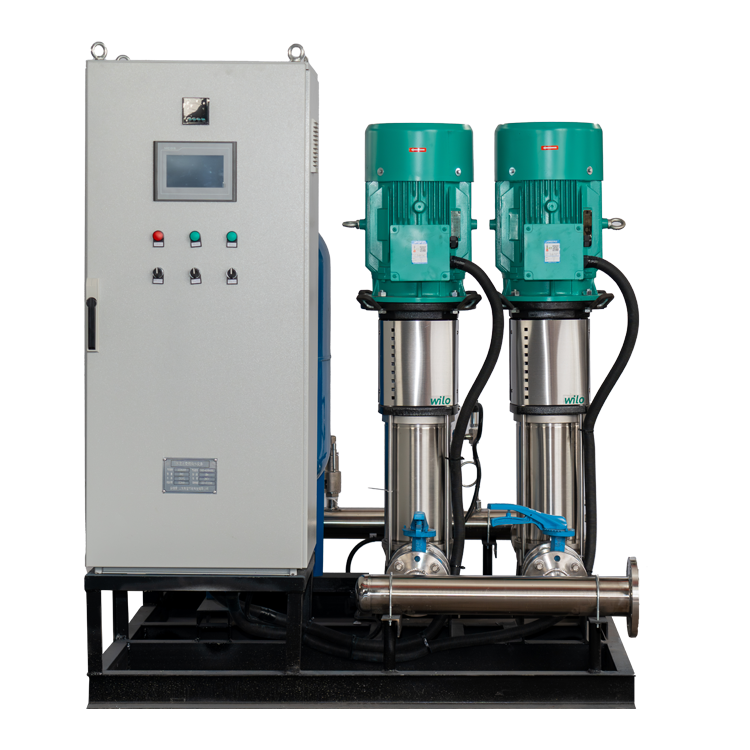
 Variable Frequency Water Supply UnitThe variable frequency water supply unit adjusts the pump speed to maintain constant pressure water supply. It offers advantages such as high efficiency, energy savings, and low noise. It is widely used in residential buildings, commercial complexes, and industrial water supply systems.
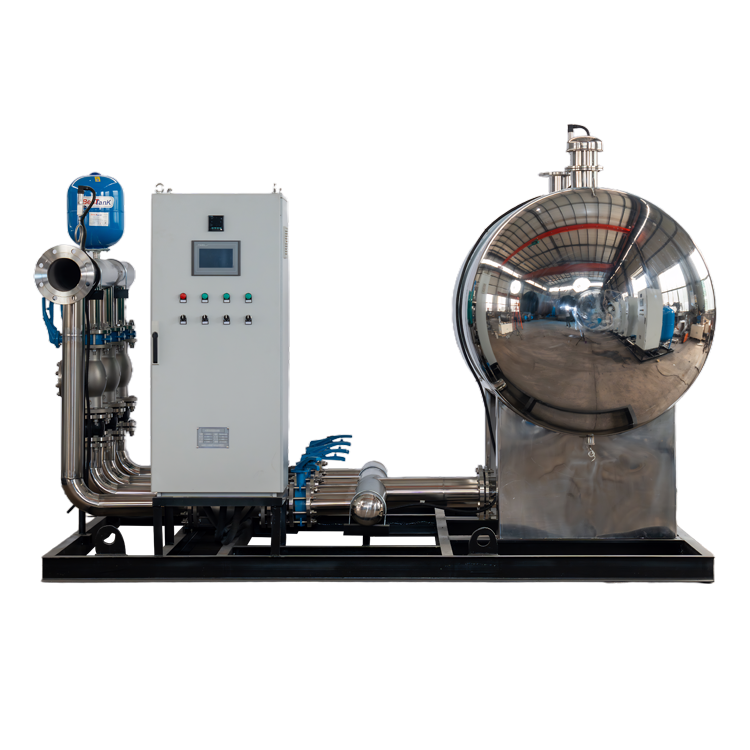
 Non-Negative Pressure Variable Frequency Water Supply UnitThe non-negative pressure variable frequency water supply unit provides pressurized water supply based on the municipal water network. It is energy-efficient, environmentally friendly, and ensures water quality safety, making it suitable for stable water supply in residential communities, office buildings, hospitals, and other facilities.
Leave A Message
If you are interested in our products and want to know more details, please leave a message here, we will reply you as soon as we can.