


CO2 Cold Storage Tank for Beverage: Key Design Basics
A CO2 cold storage tank for beverage systems sits at the intersection of food-grade process control, pressure equipment engineering, and energy-aware cooling design. Its job is not simply to hold liquid CO2. It must preserve carbonation quality, stabilize supply conditions, and support safe operation across filling, dispensing, and storage steps.
That balance matters more now because beverage plants are under pressure to reduce energy loss, avoid product inconsistency, and keep maintenance predictable. In the broader new energy context, efficient thermal management and controlled fluid distribution are no longer niche concerns. They are part of how industrial systems improve performance while lowering waste.
Why the design basics matter
A poorly specified CO2 cold storage tank for beverage use can create several problems at once. Pressure fluctuation may affect carbonation accuracy. Weak insulation can increase operating cost. Poor internal finish can raise hygiene risk and complicate cleaning routines.
In practical terms, the tank is part of a complete process loop. It influences how CO2 is stored, vaporized, distributed, and delivered to production lines. That is why early design review should focus on system behavior, not just vessel volume.
Core structure of a beverage CO2 storage solution
Most beverage-grade CO2 tanks are designed as insulated pressure vessels for low-temperature liquid storage. The main design layers usually include the inner vessel, outer shell, insulation system, piping connections, safety devices, and instrumentation.
The inner vessel material is critical. Stainless steel is often preferred where cleanliness, corrosion resistance, and long service life matter. Weld quality, internal smoothness, and compatibility with sanitary process requirements should be checked carefully.
The parameters that shape real performance
- Design pressure and relief settings must match the storage and operating profile.
- Temperature control should limit unnecessary vapor generation.
- Insulation performance affects hold time and energy efficiency.
- Valve layout should support maintenance without interrupting the full process.
- Instrumentation should provide clear readings for level, pressure, and temperature.
Pressure safety and temperature stability
For any CO2 cold storage tank for beverage applications, pressure safety is the first design discipline. CO2 is stored as a refrigerated liquid, and even modest heat gain can increase boil-off and pressure. This requires reliable relief valves, accurate monitoring, and stable thermal protection.
Temperature stability is just as important for product consistency. When supply conditions swing too far, downstream carbonation control becomes harder. That can affect taste, foam behavior, and packaging repeatability. Better tank insulation and well-sized control components usually deliver more stable results.
Hygienic design is not optional
Because the end use is beverage production, hygienic design must be considered from the start. Even though CO2 itself is not a sticky liquid product, contamination risks still exist through connections, valves, seals, and maintenance access points.
A sound CO2 cold storage tank for beverage service should reduce dead legs, avoid unnecessary internal roughness, and use materials suited to food and beverage environments. Clean layout also makes inspection easier, which supports both compliance and uptime.
How energy thinking changes equipment choices
In the new energy sector, efficiency is often discussed in terms of generation and power use. Yet thermal losses inside industrial storage systems also deserve attention. A tank that holds temperature more effectively reduces vent loss, lowers refrigeration burden, and supports steadier process conditions.
This is where broader cooling expertise becomes relevant. Shandong Liangdi Energy Saving Technology Co., Ltd. has developed capabilities in CDU systems, water distribution manifold design, data centre cold storage tanks, heat exchanger units, and water supply units. That background reflects a practical understanding of controlled fluid movement, thermal balance, and stable distribution architecture.
Although beverage CO2 storage and liquid-cooled infrastructure are different applications, both depend on disciplined flow control and reliable material selection. In adjacent cooling systems, components such as Liquid-Cooled Manifold show how engineered distribution can improve consistency. Single row or double row layouts, SUS304 or 316L materials, and custom sizing all reflect the same design logic: stable delivery matters as much as storage.
Typical evaluation points during comparison
When comparing one CO2 cold storage tank for beverage solution with another, it helps to look beyond catalog capacity. Several technical details often reveal the real quality level.
- Check whether the insulation design is suited to the expected ambient conditions.
- Review vessel material, weld execution, and documented sanitary considerations.
- Confirm whether instrumentation supports routine monitoring and fault response.
- Look at piping and valve accessibility for service efficiency.
- Assess how the tank connects with vaporizers, control panels, and distribution lines.
- Verify compliance with relevant pressure vessel and safety standards.
Where these systems create business value
A well-designed CO2 cold storage tank for beverage operations supports more than safe storage. It can improve line continuity, reduce losses from unstable pressure, and make process planning more accurate. Those gains are operational, not merely theoretical.
It also helps separate short-term cost from long-term value. Lower venting, simpler maintenance, better hygiene control, and fewer supply disturbances often matter more than the initial equipment price. Over time, those factors shape total ownership cost.
A practical next step
The best way to assess a CO2 cold storage tank for beverage use is to map the tank into the whole process. Start with storage volume, pressure range, ambient conditions, hygiene requirements, and distribution layout. Then compare how each design handles those conditions in steady operation and during maintenance.
That approach creates a clearer basis for judging technical fit. It also makes it easier to identify whether a proposed system is simply adequate on paper or genuinely engineered for stable, efficient, long-term beverage service.
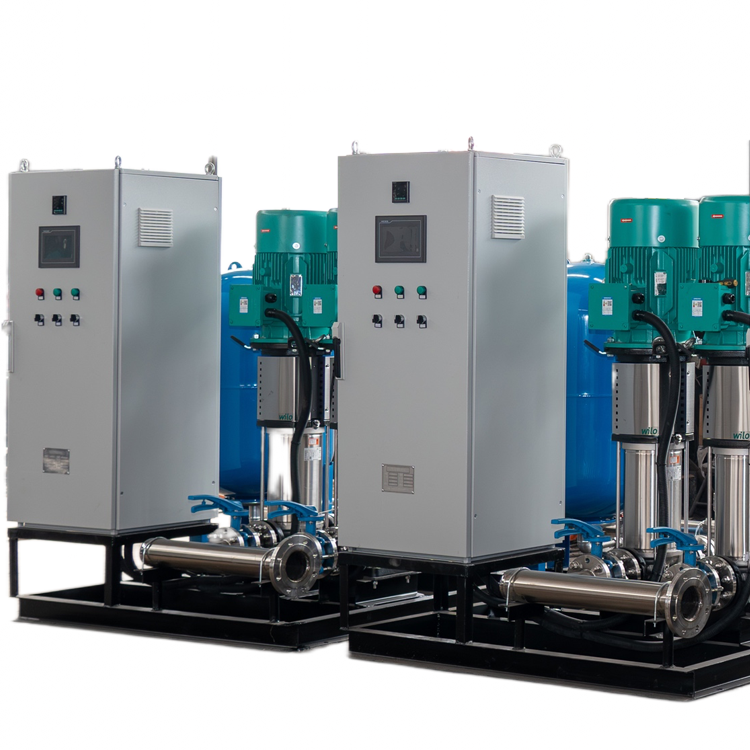
 Water Supply UnitThe variable frequency water supply unitadjusts the pump speed to maintainconstant pressure water supply. lt offersadvantages such as high efficiency, energysavings, and low noise. lt is widely used inresidential buildings, commercialcomplexes, and industrial water supplysystems.
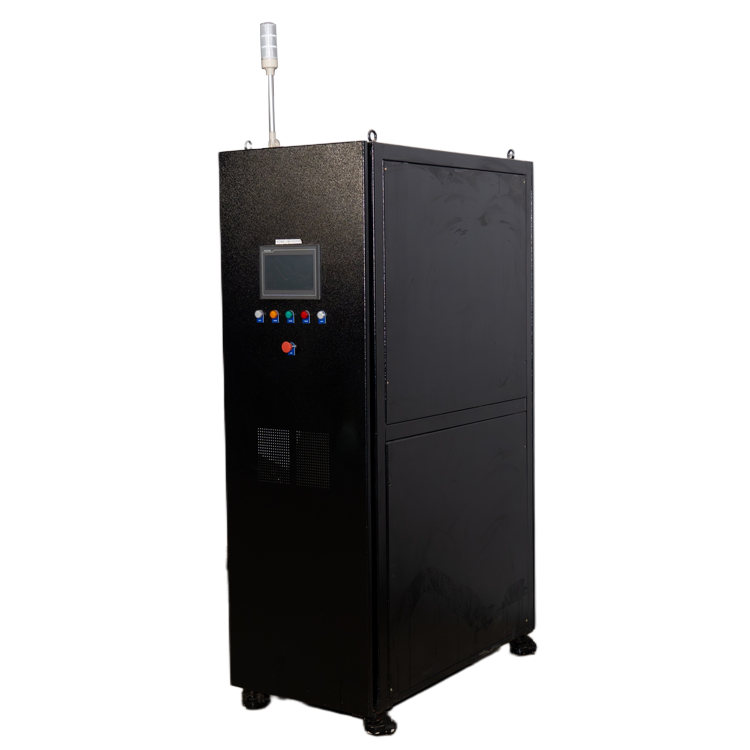
 Cabinet-Type CDUThe cabinet mounted CDU (Coolant Distribution Unit) is an integrated cooling distribution solution housed within a standalone cabinet. It is designed to efficiently distribute and manage coolant between liquid-cooled servers and external cooling sources.
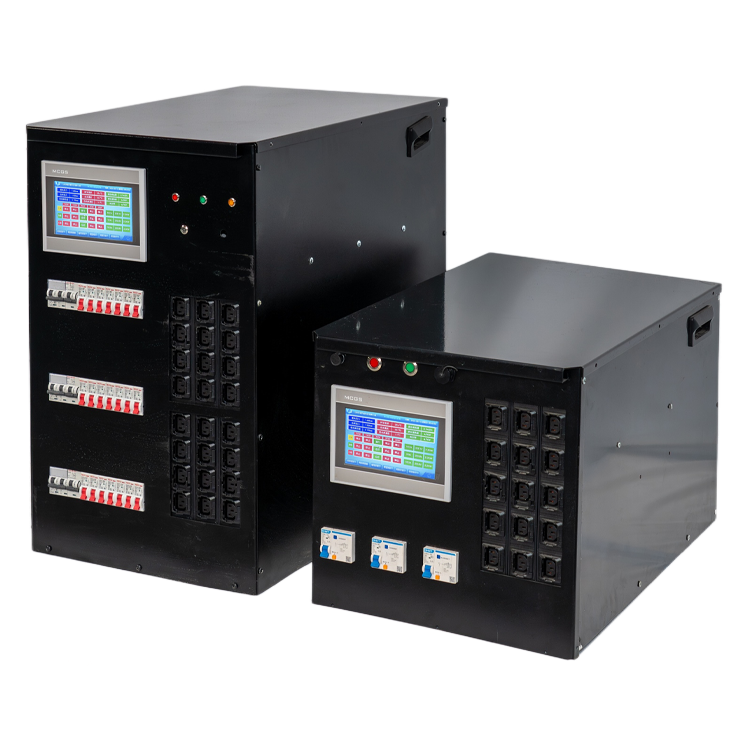
 Liquid-Cooled Dummy LoadLiquid-cooled dummy load is a specialized device used for testing electrical equipment, primarily in scenarios such as data centers, power plants, and UPS systems to simulate electrical loads.
Leave A Message
If you are interested in our products and want to know more details, please leave a message here, we will reply you as soon as we can.