


How to Choose a Liquid Cooling CDU Supplier
Choosing the right liquid cooling CDU supplier is one of the most important decisions for data centre operators, EPC contractors, and infrastructure investors aiming to improve energy efficiency, thermal stability, and long-term operating reliability. In practice, the best supplier is not simply the one with the lowest quotation, but the one that can provide proven engineering capability, stable manufacturing quality, responsive service, and solutions that match real application conditions. For modern data centre projects in the new energy and digital infrastructure sectors, supplier selection should be based on technical fit, delivery capability, lifecycle value, and risk control.
What Is the Real Goal When Choosing a Liquid Cooling CDU Supplier?
Most buyers searching for a liquid cooling CDU supplier are not only looking for equipment. They are looking for a partner that can help them reduce cooling risk, improve PUE, support high-density computing, and protect future expansion plans. In other words, the key question is: can this supplier deliver a reliable cooling system that performs well in real operating environments over the long term?
That means supplier selection should go beyond catalogue parameters. A strong supplier should be able to explain system logic clearly, recommend the right CDU configuration for your load profile, and support integration with manifolds, heat exchangers, tanks, and water supply units. For buyers in the new energy and data infrastructure sectors, this system-level capability matters far more than generic product claims.
Why Technical R&D Capability Matters More Than a Low Purchase Price
Liquid cooling systems directly affect server safety, thermal control, uptime, and energy consumption. If the supplier lacks true R&D and engineering experience, the risks often appear later in the form of unstable temperature control, flow imbalance, difficult commissioning, or poor compatibility with the site design.
When evaluating suppliers, check whether they can provide:
- Independent product design and development capability
- Application experience in data centre cooling projects
- Customisation ability for different heat loads and layout constraints
- Clear technical documentation, drawings, and control logic support
- Integration knowledge covering CDU, manifolds, heat exchangers, and related units
A qualified supplier should also understand that different projects have different priorities. Some sites focus on ultra-high-density rack cooling, while others prioritise redundancy, expansion flexibility, or energy-saving performance. A technically capable supplier can adapt the solution instead of offering a one-size-fits-all product.
How to Check Manufacturing Quality and Product Reliability
Even a good design can fail if manufacturing consistency is weak. For CDU procurement, stable production quality is essential because cooling performance depends on pressure control, sealing reliability, heat exchange efficiency, material quality, and intelligent control stability.
Useful questions to ask a supplier include:
- Do they have standardised manufacturing and testing procedures?
- What quality control process is used for core components and assembly?
- Can they provide pressure testing, leakage testing, and performance testing records?
- What are the material standards for pipelines, valves, pumps, and heat exchange parts?
- How do they ensure batch-to-batch consistency?
Reliable suppliers should be willing to discuss factory capability openly. This is especially important for project buyers who need confidence in delivery quality across multiple units, not just a prototype or sample.
Can the Supplier Provide a Solution That Fits Your Actual Data Centre Application?
This is where many procurement decisions succeed or fail. The right liquid cooling CDU supplier should first understand your application scenario before recommending a model. Key factors include IT load, inlet and outlet temperature requirements, system redundancy level, water quality conditions, installation space, and future capacity planning.
For example, some projects may require highly responsive thermal management during abnormal events or emergency operating conditions. In such cases, specialised supporting products such as the Liquid Cooling Emergency Device can be valuable for rapidly cooling critical equipment or systems, improving heat dissipation efficiency, and helping ensure safe operation when thermal risks rise suddenly.
A supplier with real project experience will ask practical questions about your operating scenario and provide a matching design path, rather than simply sending a standard quotation sheet.
What Service and Support Should You Expect Before and After Delivery?
For most buyers, after-sales support is just as important as product quality. CDU systems are not isolated products; they are part of a larger cooling infrastructure. If installation guidance, commissioning support, troubleshooting response, or spare parts supply is weak, even a technically sound system may create project delays and operational risk.
Look for suppliers that can support you in the following areas:
- Pre-sales technical consultation and model selection
- Custom design coordination with project teams
- Installation and commissioning guidance
- Operational training for maintenance personnel
- Fast response for faults, optimisation, and spare parts
For enterprise buyers and project managers, this support directly affects project schedule certainty and lifecycle cost. A low initial price can quickly lose value if service capability is poor.
How to Evaluate Total Cost of Ownership Instead of Initial Price Alone
Many buyers focus too heavily on the equipment purchase price, but the smarter decision is to assess total cost of ownership. In liquid cooling applications, operating efficiency, maintenance frequency, downtime risk, and component lifespan often have a bigger financial impact than the initial procurement cost.
When comparing suppliers, consider:
- Energy-saving performance over years of operation
- System stability and downtime prevention value
- Maintenance complexity and spare parts availability
- Expected service life of key components
- Future scalability without major redesign
In high-density data centre environments, choosing a more capable supplier often brings better return through lower operational risk and better thermal efficiency. This is especially true in sectors where reliability and energy performance are closely tied to business continuity and sustainability targets.
Key Signs That a CDU Supplier Is Worth Shortlisting
If you need a practical evaluation standard, a strong liquid cooling CDU supplier usually shows several clear qualities:
- Proven focus on data centre cooling-related products
- Strong R&D, design, and custom engineering capability
- Stable manufacturing quality and testing discipline
- Ability to provide complete supporting products and integrated solutions
- Clear communication and professional technical response
- Dependable delivery and service support
For example, companies with dedicated expertise in CDU, water distribution manifold, cold storage tanks, heat exchanger units, and water supply units are often better positioned to support system-level performance than suppliers offering only isolated components. This broader capability helps reduce coordination problems and improve design compatibility.
Common Mistakes Buyers Should Avoid
There are several frequent mistakes when selecting a supplier:
- Choosing based only on price
- Ignoring customisation and application fit
- Failing to verify manufacturing quality control
- Overlooking after-sales response capability
- Not checking whether the supplier understands full system integration
Another mistake is assuming that all liquid cooling CDUs are functionally interchangeable. In reality, differences in design logic, component quality, control strategy, and engineering support can lead to major differences in performance and operating reliability.
Final Thoughts
Choosing a liquid cooling CDU supplier is ultimately about reducing risk and improving long-term value. The best partner should offer more than equipment supply: they should bring technical understanding, reliable production, tailored solutions, and dependable service support. For buyers in the new energy and digital infrastructure sectors, the ideal supplier is one that can align cooling performance with efficiency targets, operational stability, and future growth.
If you evaluate suppliers through the lens of technical capability, manufacturing quality, service responsiveness, and total lifecycle value, you will make a stronger and more practical decision. In a market where data centre cooling is becoming more critical and more specialised, choosing the right supplier can have a direct impact on reliability, energy savings, and project success.
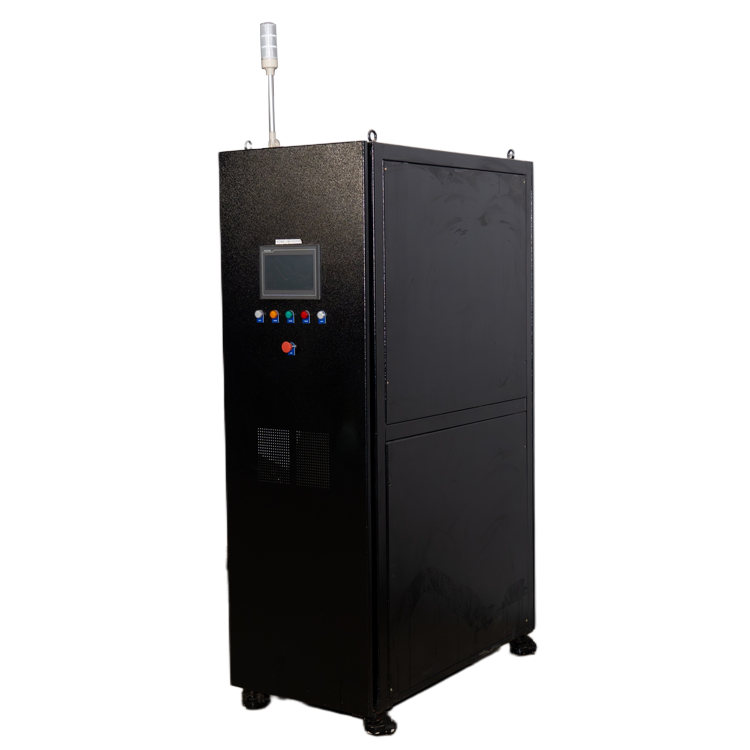
 Cabinet-Type CDUThe cabinet mounted CDU (Coolant Distribution Unit) is an integrated cooling distribution solution housed within a standalone cabinet. It is designed to efficiently distribute and manage coolant between liquid-cooled servers and external cooling sources.
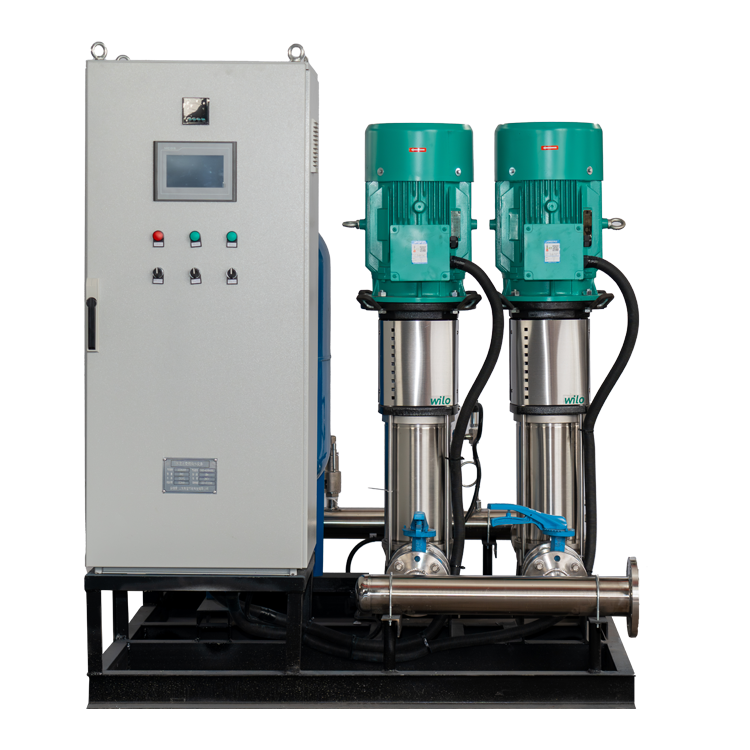
 Variable Frequency Water Supply UnitThe variable frequency water supply unit adjusts the pump speed to maintain constant pressure water supply. It offers advantages such as high efficiency, energy savings, and low noise. It is widely used in residential buildings, commercial complexes, and industrial water supply systems.
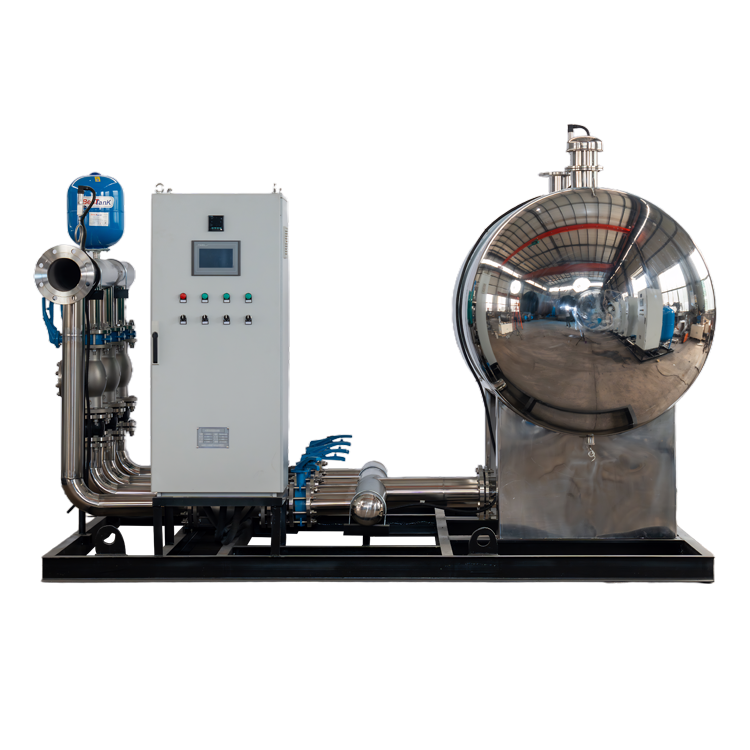
 Non-Negative Pressure Variable Frequency Water Supply UnitThe non-negative pressure variable frequency water supply unit provides pressurized water supply based on the municipal water network. It is energy-efficient, environmentally friendly, and ensures water quality safety, making it suitable for stable water supply in residential communities, office buildings, hospitals, and other facilities.
Leave A Message
If you are interested in our products and want to know more details, please leave a message here, we will reply you as soon as we can.