


Data Center Cooling Solution: Design and Cost Guide
A reliable Data Center Cooling Solution is essential for balancing thermal performance, energy efficiency, and long-term operating cost in modern facilities. For the new energy and digital infrastructure sectors, understanding design choices, system components, and total investment is key to building stable, scalable data centre cooling systems. This guide explores practical design principles and cost factors to help decision-makers plan more efficient cooling strategies.
When people search for a data center cooling solution design and cost guide, they usually want a practical answer to one question: how to choose a cooling system that keeps IT equipment safe without creating unnecessary capital and operating cost. In reality, the best solution is rarely the cheapest upfront option. It is the one that matches IT load density, site conditions, water and power availability, redundancy targets, and future expansion plans.
For companies involved in digital infrastructure and energy-saving technologies, cooling decisions directly affect uptime, PUE, maintenance complexity, and long-term return on investment. That is why design logic, equipment selection, and lifecycle cost should be assessed together rather than separately.
What decision-makers should evaluate first
The first step in any Data Center Cooling Solution plan is to define the operating profile of the facility. Many projects run into cost overruns because cooling capacity is selected before the actual heat load, rack density, and growth path are understood.
Key questions to answer early include:
- What is the current and expected future IT load?
- Will the facility support high-density racks, AI workloads, or standard enterprise applications?
- Is the site in a hot, humid, cold, or water-restricted environment?
- What uptime level and redundancy standard are required?
- How important are energy efficiency and peak electricity cost control?
These factors shape whether the project should use room-level cooling, row-based cooling, liquid cooling support infrastructure, or hybrid systems. They also influence supporting equipment such as CDUs, water distribution manifolds, heat exchangers, and thermal storage components.
How cooling system design affects both performance and cost
A well-designed data centre cooling system does more than remove heat. It stabilises inlet temperatures, reduces hot spots, improves equipment life, and helps operators avoid overbuilding mechanical capacity.
In most projects, cost is driven by six design variables:
- Cooling architecture — air cooling, liquid-assisted cooling, or full liquid cooling support
- Heat rejection method — dry cooler, cooling tower, chiller, or hybrid arrangement
- Distribution design — piping layout, manifold design, pressure balance, and hydraulic efficiency
- Redundancy level — N, N+1, or 2N configurations
- Control strategy — variable-speed drives, intelligent valves, sensors, and dynamic load control
- Scalability — modular deployment versus oversized initial installation
For example, a modular approach may appear more expensive on a unit basis, but it often lowers initial capital pressure and improves expansion efficiency. Similarly, investing in better hydraulic design can reduce pump energy use and simplify maintenance over time.
Core components in a modern data center cooling solution
Modern facilities increasingly require integrated cooling infrastructure rather than isolated equipment purchases. In practice, performance depends on how well each component works with the others.
Important components often include:
- Cooling Distribution Units (CDU): manage heat exchange and coolant circulation for liquid cooling loops
- Water distribution manifolds: support balanced fluid delivery across multiple branches or racks
- Heat exchanger units: transfer thermal energy efficiently between system loops
- Water supply units: maintain reliable fluid feeding and pressure stability
- Thermal storage equipment: improve load shifting and energy management
In some air conditioning systems and supporting infrastructure strategies, a Cold Storage Tank can help store cooling energy, accumulate cooling energy during off-peak electricity hours, and release cooling energy during peak demand. This can be valuable for operators seeking better electricity cost control and more flexible cooling capacity management.
What really determines total project cost
Many buyers focus only on equipment prices, but the real cost of a Data Center Cooling Solution includes much more than the initial quotation. To make a sound investment decision, total cost should be divided into capital expenditure and operational expenditure.
Capital expenditure typically includes:
- Primary cooling equipment
- Piping, valves, and manifold systems
- Controls and monitoring systems
- Electrical integration and installation
- Civil works or plant room modifications
- Commissioning and testing
Operational expenditure typically includes:
- Electricity consumption
- Water consumption where applicable
- Maintenance labour and spare parts
- Downtime risk and service interruption cost
- Future retrofit or expansion cost
In high-load environments, energy consumption and maintenance often outweigh the initial purchase price over the system lifecycle. This is why lower-cost equipment is not always the most economical choice over five to ten years.
How to compare design options more accurately
To compare options effectively, decision-makers should avoid broad claims such as “high efficiency” or “low cost” without asking under what conditions those claims apply. A useful evaluation should include:
- Design supply and return temperatures
- Expected annual energy consumption
- Partial-load efficiency, not just full-load performance
- Compatibility with future high-density deployments
- Maintenance accessibility and service intervals
- Control system visibility and fault response capability
A practical method is to request scenario-based comparison from suppliers. For example, compare a standard design load, a summer peak load, and a future expansion load. This reveals whether a proposed solution remains stable and efficient across real operating conditions.
Common mistakes that increase cooling cost and risk
Several repeat mistakes can reduce reliability or increase lifecycle cost:
- Oversizing equipment too early, leading to poor part-load efficiency
- Ignoring hydraulic balance in liquid cooling networks
- Choosing redundancy levels that do not match business risk
- Underestimating future rack density growth
- Separating cooling design from electrical and IT planning
- Buying components individually without system-level integration
Another common issue is treating cooling as a secondary utility rather than a core part of digital infrastructure resilience. In reality, cooling failure can have the same operational impact as power failure in many data centre environments.
Why energy-saving design matters in the new energy sector
For companies connected to the new energy industry, cooling design is not only about thermal control. It also relates to sustainability targets, electricity price volatility, and infrastructure efficiency. Projects increasingly need to demonstrate measurable energy savings and stronger resource utilisation.
This makes integrated, energy-conscious design more attractive. Technologies such as intelligent fluid control, efficient heat exchange, and load-shifting support can improve cost predictability. In selected applications, thermal storage equipment such as a second-stage storage strategy or a Cold Storage Tank may support better use of off-peak power and reduce pressure during demand peaks.
How to choose a supplier or system partner
The right supplier should not only provide equipment, but also understand how the full cooling chain works in data centre applications. Buyers should look for capabilities in research and development, design support, manufacturing quality, commissioning, and after-sales service.
Useful questions to ask include:
- Do they have experience with CDUs, manifolds, heat exchangers, and related cooling infrastructure?
- Can they customise solutions based on load density and site constraints?
- Do they provide system-level design recommendations, not just product sales?
- What testing, quality control, and service processes do they offer?
- Can they support future capacity expansion?
For projects where reliability, efficiency, and integration matter, strong technical service can create more value than a lower initial equipment quote.
Final takeaway
The best Data Center Cooling Solution is one that aligns cooling performance, efficiency targets, budget, and future scalability. For most decision-makers, the priority should be to evaluate lifecycle cost, system integration, and operational stability rather than purchase price alone.
If you are planning a new facility or upgrading an existing one, start with the real heat load, growth expectations, and site constraints. Then compare design options based on energy use, maintainability, and expansion flexibility. This approach leads to better investment decisions and more dependable cooling performance over the long term.
In a market where digital infrastructure and energy efficiency are increasingly connected, thoughtful cooling design is no longer optional. It is a strategic part of building a resilient and cost-effective data centre.
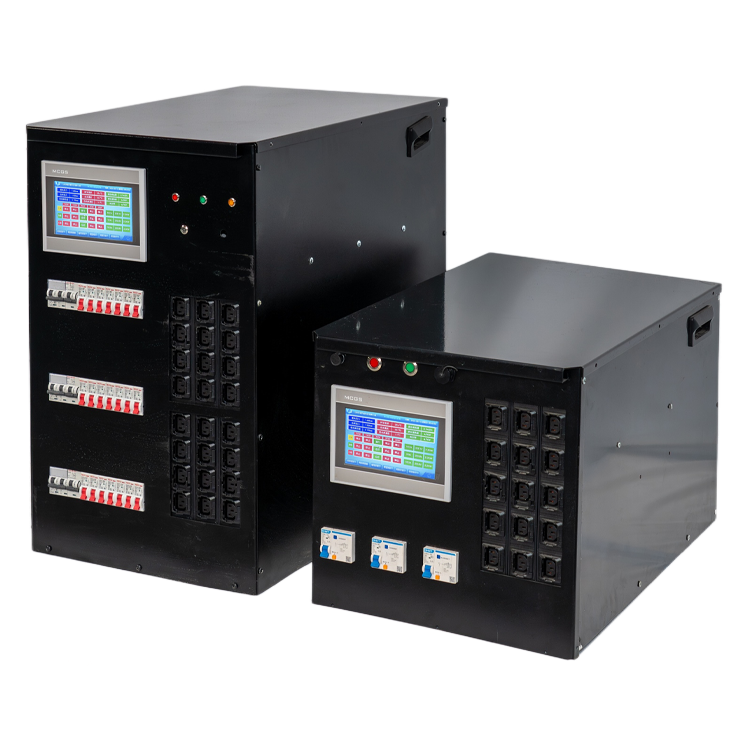
 Liquid-Cooled Dummy LoadLiquid-cooled dummy load is a specialized device used for testing electrical equipment, primarily in scenarios such as data centers, power plants, and UPS systems to simulate electrical loads.
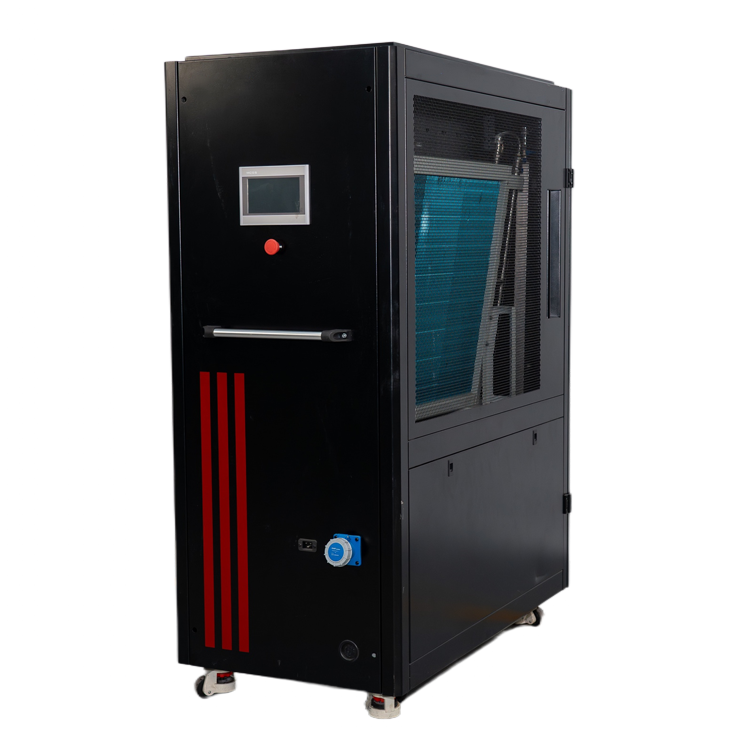
 Liquid Cooling Emergency DeviceA liquid-cooled emergency unit is a device designed to rapidly cool critical equipment or systems in emergency situations. Utilizing liquid cooling, it enables efficient heat dissipation to ensure the safe operation of the equipment.
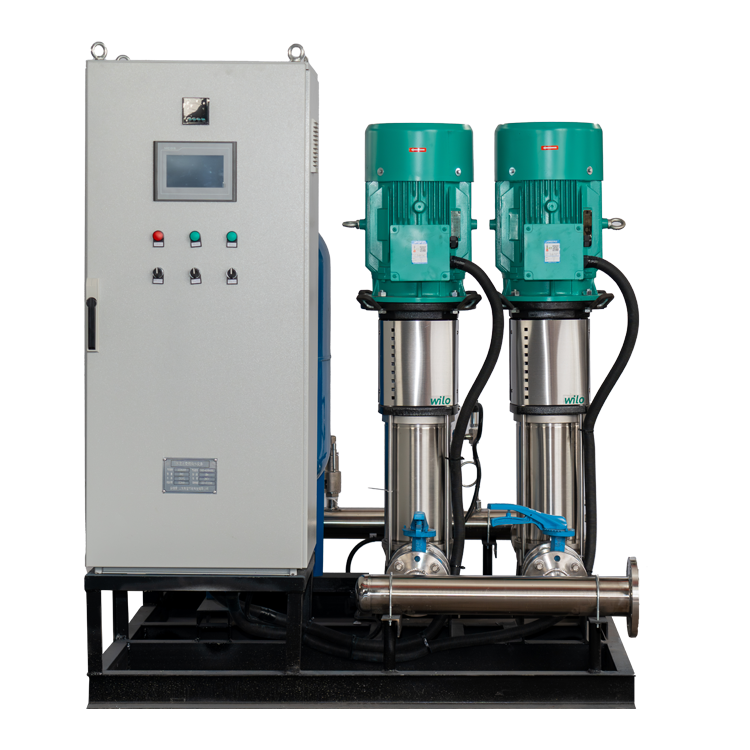
 Variable Frequency Water Supply UnitThe variable frequency water supply unit adjusts the pump speed to maintain constant pressure water supply. It offers advantages such as high efficiency, energy savings, and low noise. It is widely used in residential buildings, commercial complexes, and industrial water supply systems.
Leave A Message
If you are interested in our products and want to know more details, please leave a message here, we will reply you as soon as we can.