


How a Data Center Heat Exchanger System Affects PUE
For enterprise decision-makers seeking lower operating costs and better energy performance, choosing the right heat exchanger system for data center environments can directly influence PUE. From cooling efficiency to stable thermal management, an advanced system helps reduce energy waste while supporting reliable IT operations. This article explores how heat exchanger design affects data center efficiency and long-term sustainability.
Why does a heat exchanger system for data center operations matter so much for PUE?
PUE measures how much total facility energy is used compared with the energy consumed by IT equipment. In simple terms, the lower the PUE, the less power is wasted on non-IT functions such as cooling, pumping, and air handling. A heat exchanger system for data center use matters because cooling is often one of the largest energy loads after servers themselves.
When heat transfer is efficient, the facility can remove server heat with less fan power, less chiller dependence, and more stable water-side control. This directly improves energy utilization. In a new energy and energy-saving context, better thermal design also supports carbon reduction goals and long-term operating resilience.
How does the system design affect cooling efficiency in real operations?
The design of a heat exchanger system for data center facilities affects PUE through several linked factors: heat transfer efficiency, pressure loss, control accuracy, and compatibility with liquid cooling or water distribution architecture. If the exchanger transfers heat effectively at lower temperature differences, pumps and upstream cooling equipment can operate more efficiently.
Decision-makers should also look at whether the unit integrates pumps and controls, how easily it connects with CDU and manifold systems, and whether it supports scalable capacity. For example, integrated solutions can simplify installation and reduce commissioning risk. Shandong Liangdi Energy Saving Technology Co., Ltd., which develops CDU, water distribution manifold, cold storage tanks, and heat exchanger products for data centres, reflects this integrated engineering approach.
What should enterprises compare before selecting a solution?
A purchasing decision should not be based on capacity alone. The right heat exchanger system for data center projects must match load profile, redundancy target, water quality conditions, and future expansion plans. A practical comparison framework is below.
Are there common mistakes when evaluating a heat exchanger system for data center projects?
Yes. A frequent mistake is focusing only on initial purchase price while ignoring operating cost over years of continuous service. Another is underestimating the value of automation, especially where load changes quickly. Poor control can lead to unstable supply temperatures, unnecessary pump energy, and even localized overheating.
Some buyers also overlook customization. In practice, data center cooling networks vary widely. An efficient option may need tailored flow rate, head, dimensions, or integration logic. This is where an Heat Exchanger Unit with energy-efficient design, easy installation, high automation, and customized configurations can be relevant, especially when different capacities are needed across deployment phases.
How can product specifications support long-term planning?
Long-term planning depends on whether the equipment range can match both current and future cooling demand. A broad model portfolio, such as capacities from 0.35 to 21.0, helps enterprises avoid overbuilding at the start while preserving expansion flexibility. Integrated functions like heat exchange, water pump coordination, and control systems are especially valuable where operators want simplified management and stable performance.
For enterprise decision-makers, this means the best heat exchanger system for data center deployment is not just efficient today. It should also fit the roadmap for higher rack density, liquid cooling adoption, and tighter sustainability targets.
What should be confirmed before moving to procurement or technical discussion?
Before finalizing a supplier or solution, confirm five points: target PUE improvement, thermal load profile, redundancy requirements, hydraulic parameters, and control integration with existing infrastructure. It is also wise to ask about model selection logic, maintenance access, delivery scope, and customization lead time.
If you need to further confirm a specific scheme, parameters, project timeline, quotation, or cooperation approach, start by discussing actual cooling loads, preferred system architecture, expansion expectations, and whether a solution such as the Heat Exchanger Unit should be configured around efficiency, automation, or phased deployment priorities.
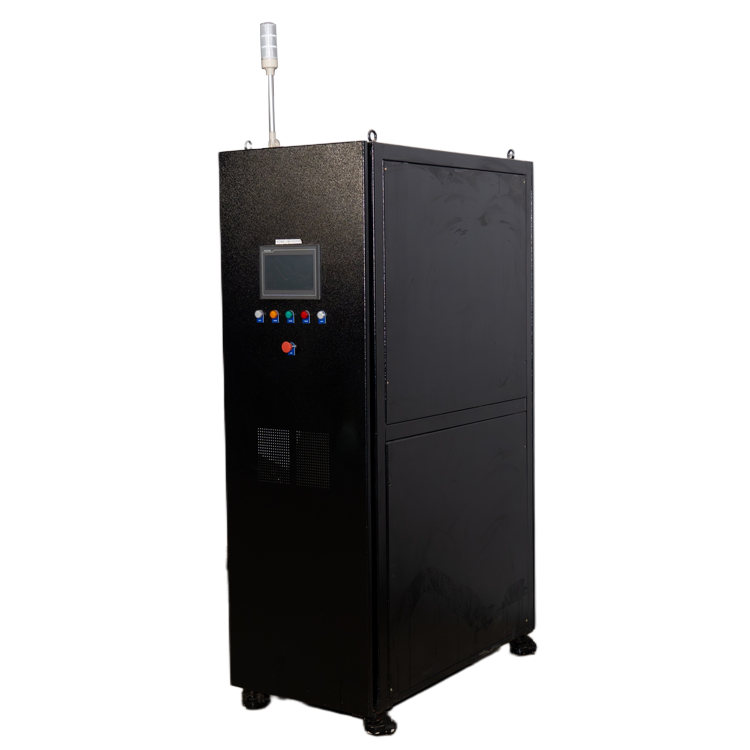
 Cabinet-Type CDUThe cabinet mounted CDU (Coolant Distribution Unit) is an integrated cooling distribution solution housed within a standalone cabinet. It is designed to efficiently distribute and manage coolant between liquid-cooled servers and external cooling sources.
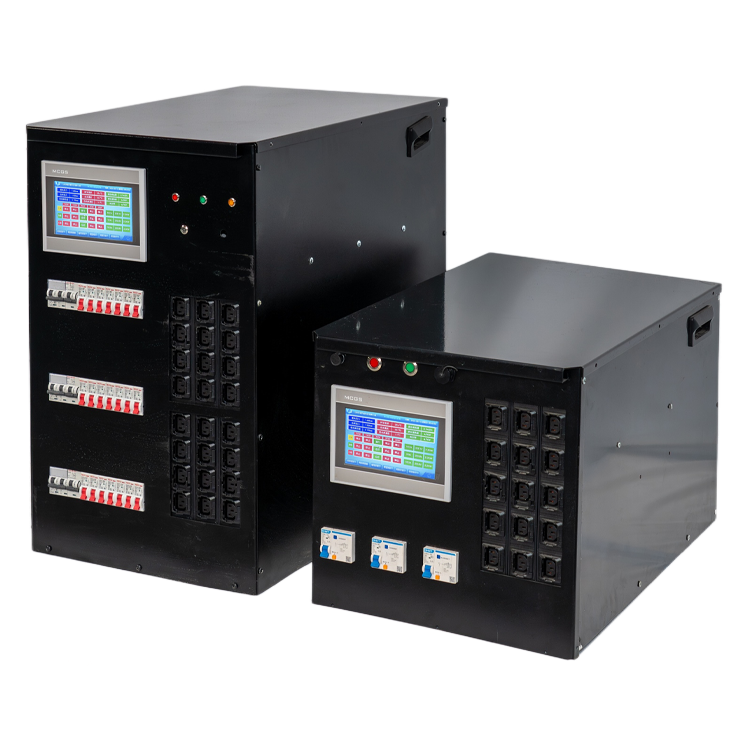
 Liquid-Cooled Dummy LoadLiquid-cooled dummy load is a specialized device used for testing electrical equipment, primarily in scenarios such as data centers, power plants, and UPS systems to simulate electrical loads.
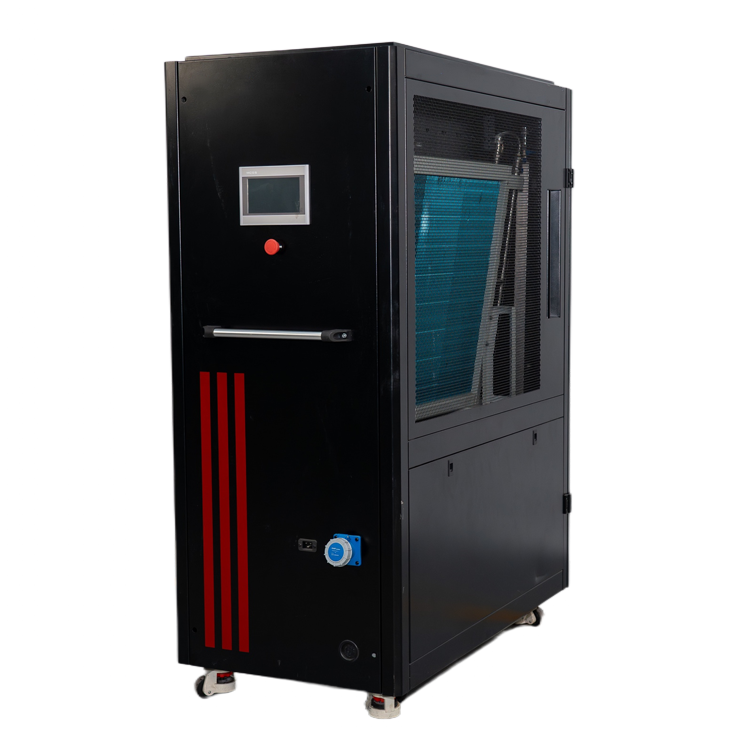
 Liquid Cooling Emergency DeviceA liquid-cooled emergency unit is a device designed to rapidly cool critical equipment or systems in emergency situations. Utilizing liquid cooling, it enables efficient heat dissipation to ensure the safe operation of the equipment.
Leave A Message
If you are interested in our products and want to know more details, please leave a message here, we will reply you as soon as we can.