


Custom Heat Exchanger Unit Design for High-Temperature Processing in Indonesia's Chemical & Energy Sectors
1. Industrial Thermal Management in Indonesia
Indonesia's tropical climate and rapid industrial expansion demand highly efficient thermal management. Standard cooling equipment often fails under high ambient humidity, making custom engineering essential.
To discover how tropical weather alters equipment thermodynamics, read our analysis on How Plate Heat Exchangers Work in Hot & Humid Climates. Custom-engineered units optimize fluid dynamics specifically for these challenging environments.2. Technical Specifications & Sizing
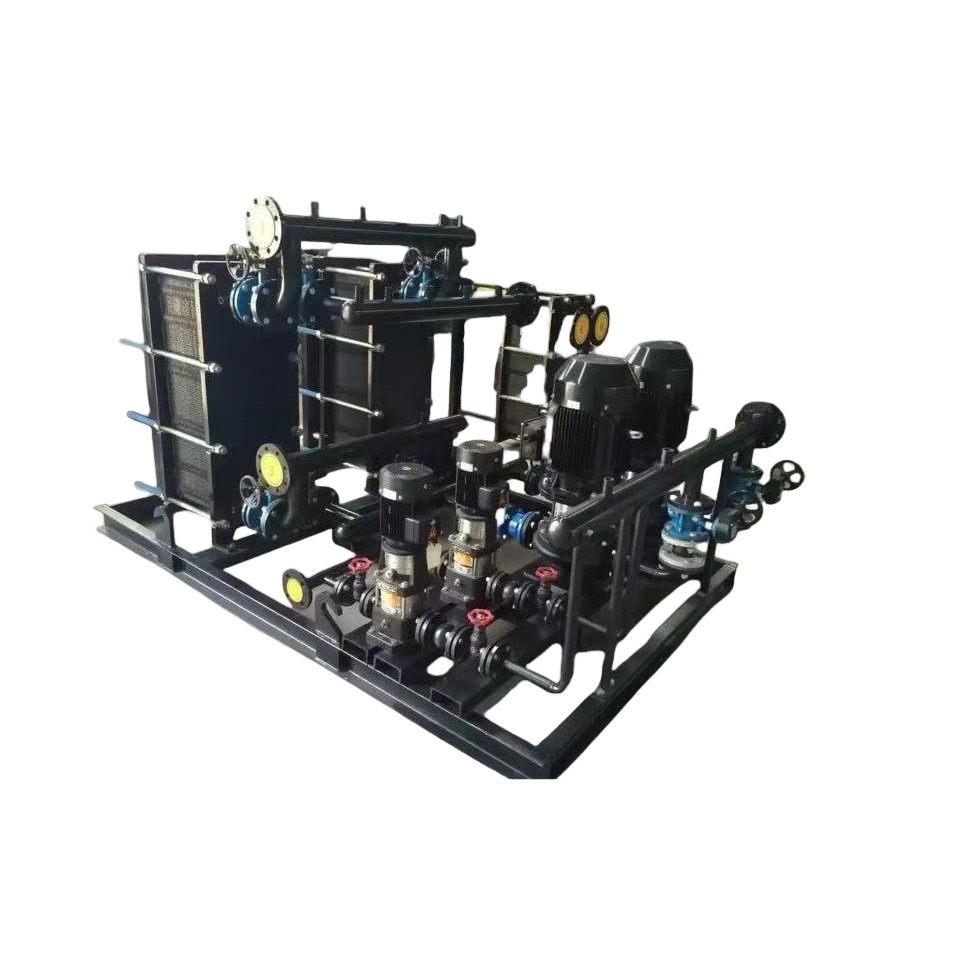
Modern industrial operations rely on factory-tested, integrated systems to minimize on-site installation errors.
Modular Systems: To evaluate full structural blueprints and precise flow capacities, review the Technical Specs of Industrial Plate Heat Exchanger Skids.
Accurate Sizing: Selecting the correct heat transfer area prevents under-cooling during peak loads. To calculate your facility's precise heat loads, consult our Sizing Guide for Custom Process Cooling Heat Exchangers.
3. Industry-Specific Applications in Indonesia
3.1 Digital Infrastructure & AI Centers
Jakarta's booming cloud infrastructure generates extreme heat loads that traditional air cooling cannot manage.
To secure maximum uptime, operators are pivoting toward closed-loop fluid cooling. Learn how we deploy these systems via our guide on Liquid Cooling Heat Exchanger Units for Indonesia's IDCs. For hyper-scale facilities running intense artificial intelligence workloads, see our dedicated blueprint on Heat Exchanger Packages for AI Data Center GPU Cooling.
3.2 Chemical Processing & Power Plants
Processing volatile fluids in palm oil refineries or petrochemical complexes requires precise temperature regulation.
For real-world deployment case studies in hazardous environments, refer to our handbook: Plate Heat Exchanger Solutions for Chemical Processing. Additionally, Indonesia’s energy sector relies on optimized heat rejection to maximize turbine efficiency. Discover how to upgrade your systems by reading Optimizing Power Plant Efficiency with Heavy-Duty Units.
4. Technical Selection Matrix
5. Financial Evaluation & Maintenance
High electricity tariffs in Indonesia mean that choosing an inefficient thermal unit will drastically inflate long-term operational costs (OpEx).
Cost Analysis: To analyze localized shipping, duty structures, and equipment pricing, download the Plate Heat Exchanger Unit Price Guide for B2B Buyers.
ROI & Payback: To calculate your facility's exact energy payback timeline, run your metrics through our ROI Analysis: Upgrading to Energy-Saving Cooling Units.
Lifecycle Maintenance: Continuous operation in tropical climates accelerates fouling. For step-by-step cleaning workflows customized for local water qualities, download our official Maintenance Manual for Industrial Heat Exchanger Units.
6. Frequently Asked Questions (FAQ)
Q1: How does Indonesia’s high water hardness affect equipment lifespan?
High mineral content accelerates scaling, which restricts fluid channels and degrades thermal efficiency. We recommend utilizing wide-gap plate geometries and routine Cleaning-in-Place (CIP) cycles to counteract this.
Q2: Why are integrated heat exchanger skids preferred for Indonesian IDCs?
Integrated skids are pre-assembled and factory-tested before shipment. This eliminates on-site welding errors, reduces installation footprints, and ensures that pumps and control systems are perfectly synchronized.
Q3: What plate materials are ideal for the local chemical sector?
For highly corrosive processing, Standard SS304 is insufficient. We utilize Stainless Steel 316L, Titanium, or specialized nickel alloys fitted with high-grade EPDM or Viton gaskets to withstand sustained high temperatures.
Partner with Liangditech
Optimizing your facility's thermal efficiency requires proven engineering expertise. Liangditech designs and manufactures high-performance heat exchanger units tailored to withstand Indonesia’s unique environmental challenges.
Contact the engineering experts at liangditech.com today to receive a complimentary technical consultation and a competitive B2B quotation.
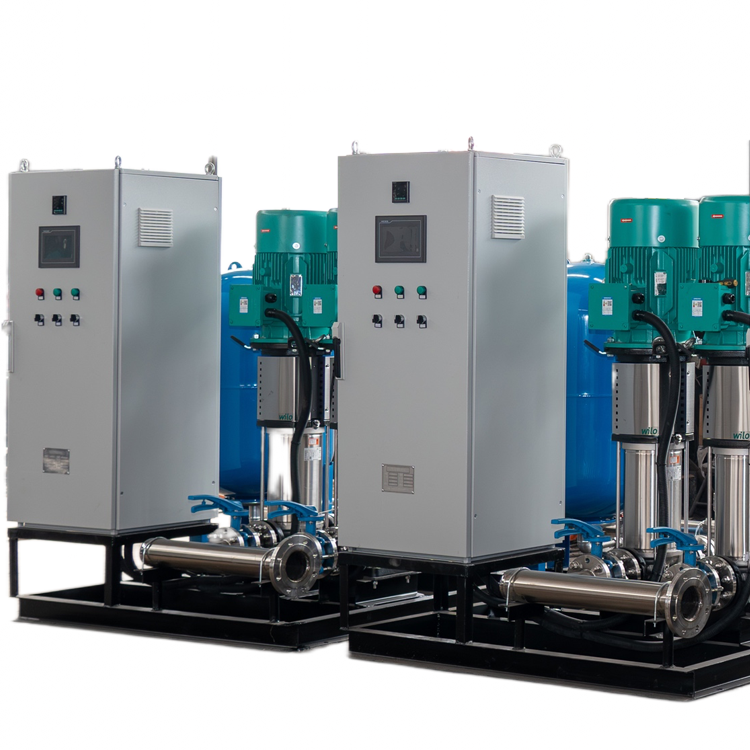
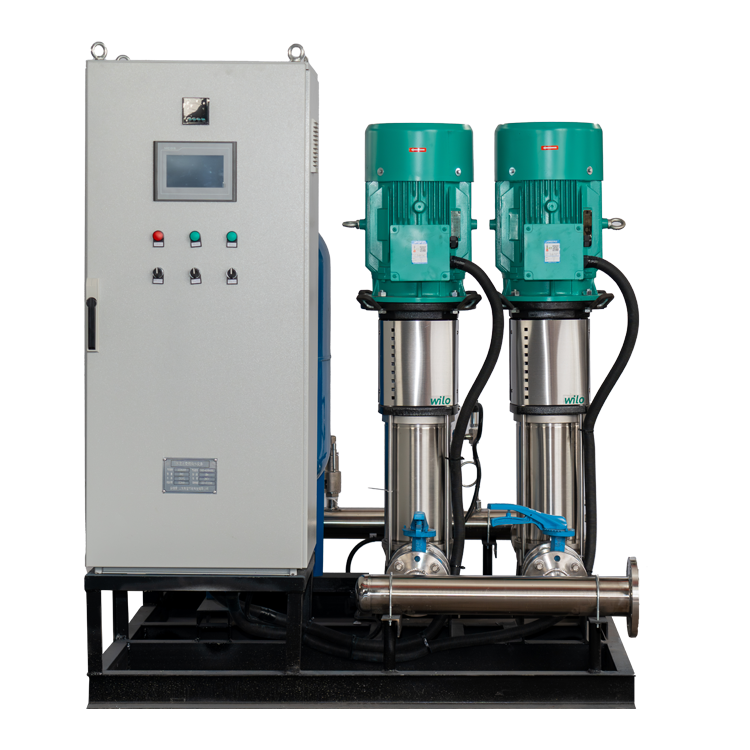
 Water Supply UnitThe variable frequency water supply unitadjusts the pump speed to maintainconstant pressure water supply. lt offersadvantages such as high efficiency, energysavings, and low noise. lt is widely used inresidential buildings, commercialcomplexes, and industrial water supplysystems.
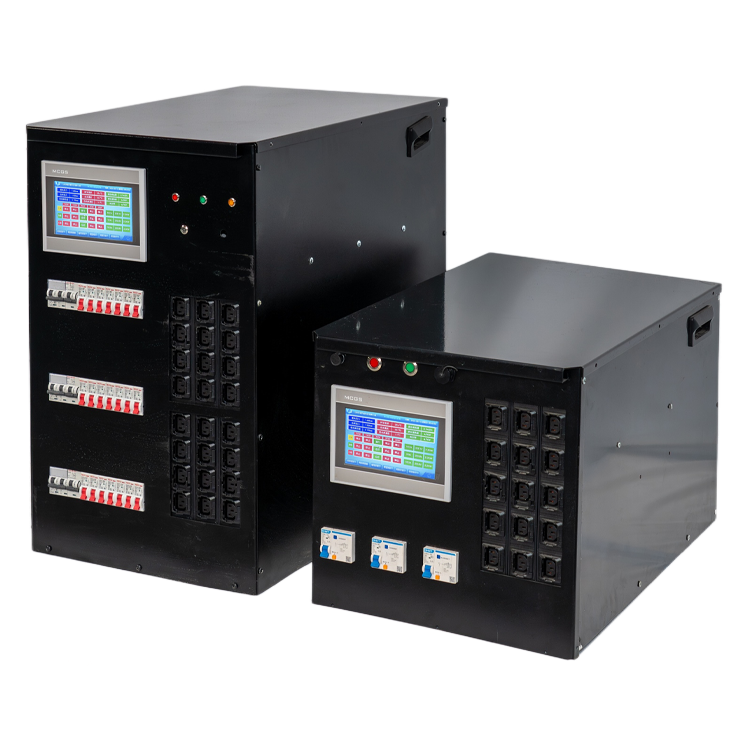
 Liquid-Cooled Dummy LoadLiquid-cooled dummy load is a specialized device used for testing electrical equipment, primarily in scenarios such as data centers, power plants, and UPS systems to simulate electrical loads.
 Variable Frequency Water Supply UnitThe variable frequency water supply unit adjusts the pump speed to maintain constant pressure water supply. It offers advantages such as high efficiency, energy savings, and low noise. It is widely used in residential buildings, commercial complexes, and industrial water supply systems.
Leave A Message
If you are interested in our products and want to know more details, please leave a message here, we will reply you as soon as we can.