


What causes unexpected leaks in a cold storage tank?
Why a Cold Storage Tank may leak in energy and data centre systems
Unexpected leaks in a Cold Storage Tank can signal more than routine wear.
They often reveal hidden risks in materials, pressure balance, sealing quality, or installation precision.
In new energy and liquid cooling infrastructure, even a small leak can reduce efficiency, threaten uptime, and increase maintenance costs.
Understanding the leak source early helps improve safety, system reliability, and lifecycle performance.
Leak risk changes by operating scenario
A Cold Storage Tank does not fail in the same way across every application.
Leak causes vary with temperature cycling, water quality, pressure fluctuation, and piping layout.
In liquid cooling data centers, continuous operation raises sealing and vibration concerns.
In integrated energy systems, thermal expansion and frequent load changes become more critical.
Typical scenarios where a Cold Storage Tank leaks unexpectedly
Scenario 1: Material mismatch under low-temperature cycling
Repeated cooling and warming can stress shell plates, weld seams, and joint interfaces.
If the Cold Storage Tank uses unsuitable steel grades or poor weld treatment, microcracks may appear.
These cracks often remain invisible until pressure rises or condensation hides early warning signs.
Scenario 2: Seal failure caused by pressure instability
Fast pump starts, valve shocks, or poor control logic can create sudden pressure swings.
This can damage gaskets, flange seals, and instrument connections around the Cold Storage Tank.
A leak may start at accessories first, not the tank body itself.
Scenario 3: Installation deviation in compact cooling systems
Misalignment between the tank and pipeline adds long-term mechanical stress.
Improper support spacing, uneven foundation settlement, or forced pipe connection can loosen interfaces.
This issue is common where prefabrication quality is weak or on-site assembly is rushed.
Scenario 4: Corrosion and water quality problems
Poor water treatment can trigger internal corrosion, scaling, or chemical attack.
Over time, wall thickness decreases and hidden leakage points form.
External condensation can also damage insulation and mask early corrosion on a Cold Storage Tank.
How leak causes differ by application condition
Practical steps to improve Cold Storage Tank reliability
- Verify material grade, weld qualification, and low-temperature suitability before production.
- Use pressure monitoring to detect abnormal fluctuation during startup and load switching.
- Inspect flange torque, gasket condition, and support alignment during commissioning.
- Control water chemistry to reduce corrosion, deposits, and seal degradation.
- Plan maintenance around real operating cycles, not fixed calendar intervals only.
In projects needing faster deployment, prefabricated piping can reduce installation errors.
For liquid cooling secondary systems, Liquid Cooling Prefabricated Pipes help shorten construction periods.
They also improve project safety, installation quality, and overall cost control.
Common misjudgments when checking a Cold Storage Tank
One common mistake is blaming the tank body before checking valves, sensors, and branch connections.
Another is treating condensation as harmless while it actually hides insulation damage or surface corrosion.
It is also risky to ignore slight pressure shocks that repeatedly weaken seals.
Next actions for reducing leak events
If a Cold Storage Tank shows unexpected leakage, start with a scenario-based inspection.
Check material records, pressure history, water quality data, and installation alignment together.
This approach identifies root causes faster than replacing parts one by one.
For new energy and data centre systems, reliable tank performance depends on design, fabrication, and assembly working as one.
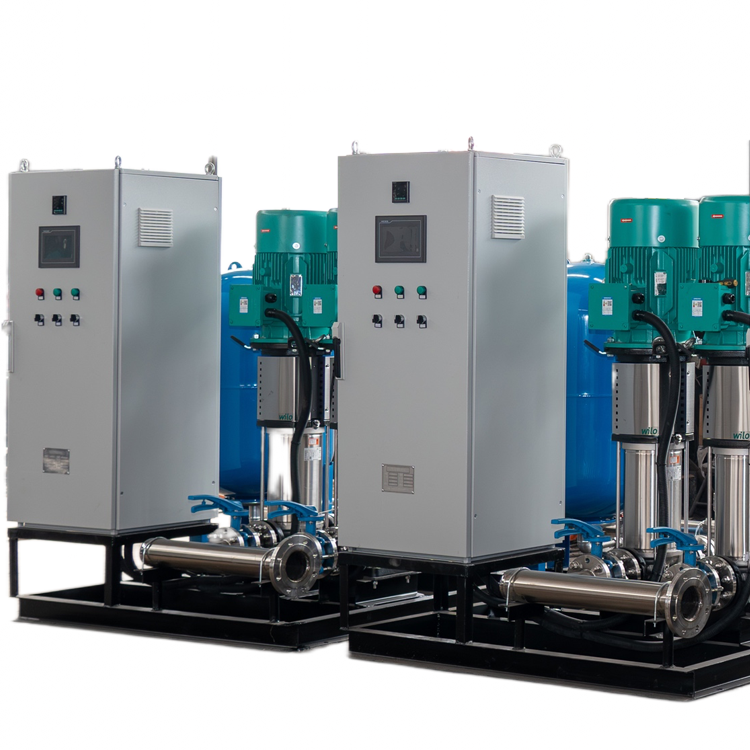
 Water Supply UnitThe variable frequency water supply unitadjusts the pump speed to maintainconstant pressure water supply. lt offersadvantages such as high efficiency, energysavings, and low noise. lt is widely used inresidential buildings, commercialcomplexes, and industrial water supplysystems.
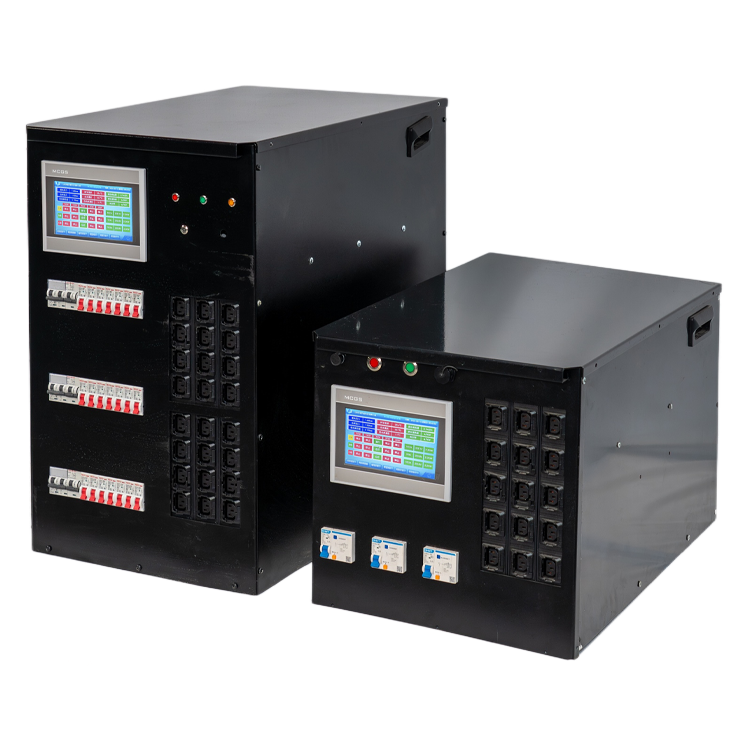
 Liquid-Cooled Dummy LoadLiquid-cooled dummy load is a specialized device used for testing electrical equipment, primarily in scenarios such as data centers, power plants, and UPS systems to simulate electrical loads.
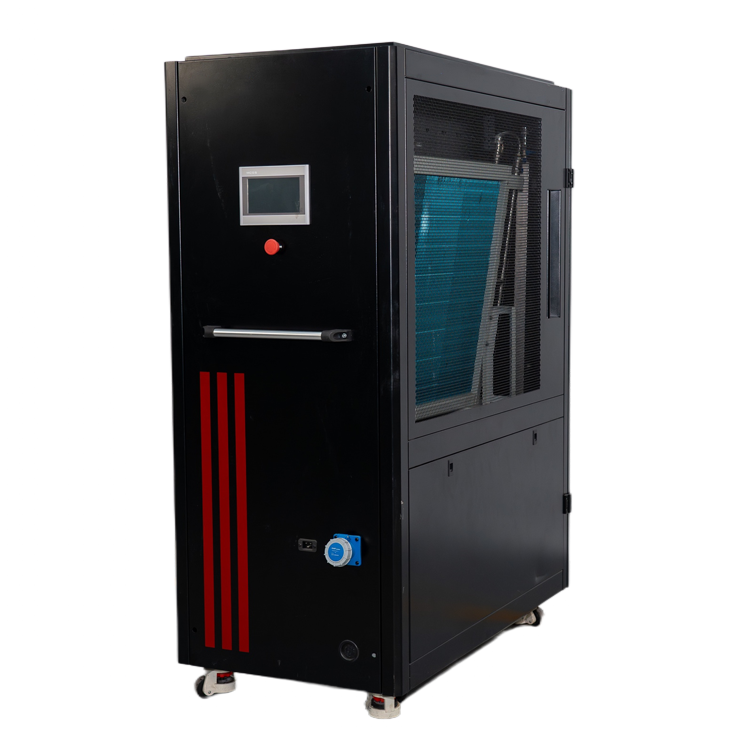
 Liquid Cooling Emergency DeviceA liquid-cooled emergency unit is a device designed to rapidly cool critical equipment or systems in emergency situations. Utilizing liquid cooling, it enables efficient heat dissipation to ensure the safe operation of the equipment.
Leave A Message
If you are interested in our products and want to know more details, please leave a message here, we will reply you as soon as we can.