


Variable Frequency Water Supply Units vs Traditional Systems: What's the Difference?
Variable Frequency Water Supply Units vs Traditional Systems: What's the Difference?
In the era of energy-efficient data center solutions, Variable Frequency Water Supply Units are revolutionizing industrial water management. Unlike traditional systems, these intelligent units dynamically adjust pump speeds to match real-time demand, slashing energy consumption by 30-50% while maintaining precise pressure control. For technical evaluators and decision-makers in the data center industry, understanding this critical difference can translate to millions in operational savings and sustainability achievements.
1. The Fundamental Differences Between Variable Frequency and Traditional Systems
The core distinction between Variable Frequency Water Supply Units (VFWSU) and traditional constant-speed systems lies in their operational philosophy. Traditional systems operate at a fixed speed, delivering a constant flow rate regardless of actual demand. This results in significant energy wastage during periods of partial load. In contrast, VFWSUs employ advanced frequency conversion technology to continuously monitor system requirements and adjust motor speeds accordingly.
This intelligent regulation brings multiple advantages:
- Energy efficiency improvements of 30-50% compared to conventional systems
- Precise pressure control within ±0.5% of setpoint
- Reduced mechanical stress on pumps and pipes
- Lower maintenance costs and extended equipment lifespan
1.1 How Variable Frequency Technology Works
The magic behind Variable Frequency Water Supply Units lies in their power electronics. The system converts incoming AC power to DC and then back to AC at variable frequencies using insulated-gate bipolar transistor (IGBT) technology. This allows the motor speed to be precisely controlled between 30% and 100% of rated speed, matching the pump's output to the exact system demand at any given moment.
2. Energy Savings and Operational Efficiency
The energy-saving potential of Variable Frequency Water Supply Units follows the affinity laws of pump hydraulics. These laws state that power consumption varies with the cube of the speed ratio. For example, reducing pump speed by 20% results in nearly 50% power savings. In real-world data center applications, this translates to substantial cost reductions:
These savings become even more significant when considering the 10-15 year lifespan of typical water supply systems in data centers. The initial higher investment in Variable Frequency Water Supply Units typically pays for itself within 2-3 years through energy savings alone.
3. Integration with Modern Data Center Infrastructure
Modern data centers increasingly adopt liquid cooling solutions to handle high-density computing loads. This shift creates perfect synergy with Variable Frequency Water Supply Units. The intelligent water management system works particularly well when paired with precision components like the Liquid-Cooled Manifold, which evenly distributes cooling medium throughout the server racks.
The combination offers several technical advantages:
- Dynamic response to fluctuating cooling demands
- Elimination of water hammer effects common in traditional systems
- Seamless integration with Building Management Systems (BMS)
- Remote monitoring and predictive maintenance capabilities
4. Technical Considerations for Implementation
While Variable Frequency Water Supply Units offer compelling benefits, their successful implementation requires careful technical planning. Key factors to consider include:
4.1 System Sizing and Selection
Proper sizing is crucial for optimal performance. Oversized units may not achieve expected savings, while undersized systems risk inadequate pressure. Professional evaluation should consider:
- Peak and average flow requirements
- System head characteristics
- Future expansion plans
- Harmonic distortion mitigation
4.2 Harmonic Mitigation
Variable frequency drives can introduce harmonic distortion to the power system. Modern units incorporate multi-pulse designs or active front-end technology to maintain total harmonic distortion (THD) below 5%, well within IEEE 519 standards.
5. Return on Investment and Sustainability Benefits
Beyond direct energy savings, Variable Frequency Water Supply Units contribute to broader corporate sustainability goals. Many organizations now track Power Usage Effectiveness (PUE) as a key performance indicator, where these systems can significantly improve scores. The environmental benefits align with global initiatives like The Green Grid and contribute to LEED certification points.
Financial benefits extend through:
- Utility rebate programs for energy-efficient equipment
- Reduced demand charges from lower peak loads
- Extended equipment life reducing capital replacement costs
Conclusion: The Future of Data Center Water Management
As data centers continue to evolve with higher power densities and stricter efficiency requirements, Variable Frequency Water Supply Units represent the clear technological choice over traditional systems. Their ability to deliver precise, demand-responsive water management while dramatically reducing energy consumption positions them as essential components in modern, sustainable data center infrastructure.
For technical evaluators and decision-makers looking to optimize their facility's water systems, the choice is clear. The combination of rapid ROI, operational reliability, and environmental benefits makes Variable Frequency Water Supply Units the intelligent solution for today's energy-conscious data centers.
To explore how these systems can be integrated with your specific data center requirements, including compatible components like the Liquid-Cooled Manifold, contact our engineering team today for a customized solution analysis.
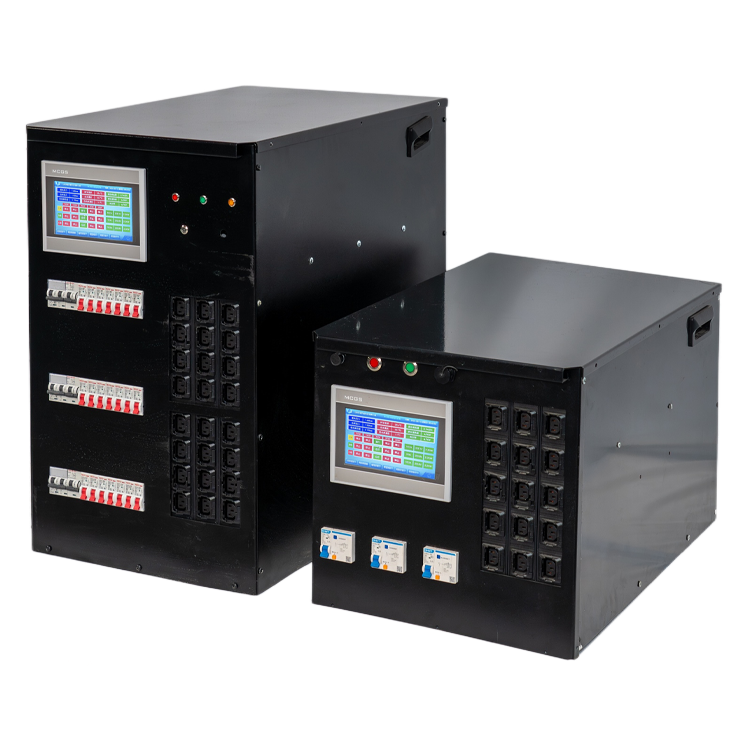
 Liquid-Cooled Dummy LoadLiquid-cooled dummy load is a specialized device used for testing electrical equipment, primarily in scenarios such as data centers, power plants, and UPS systems to simulate electrical loads.
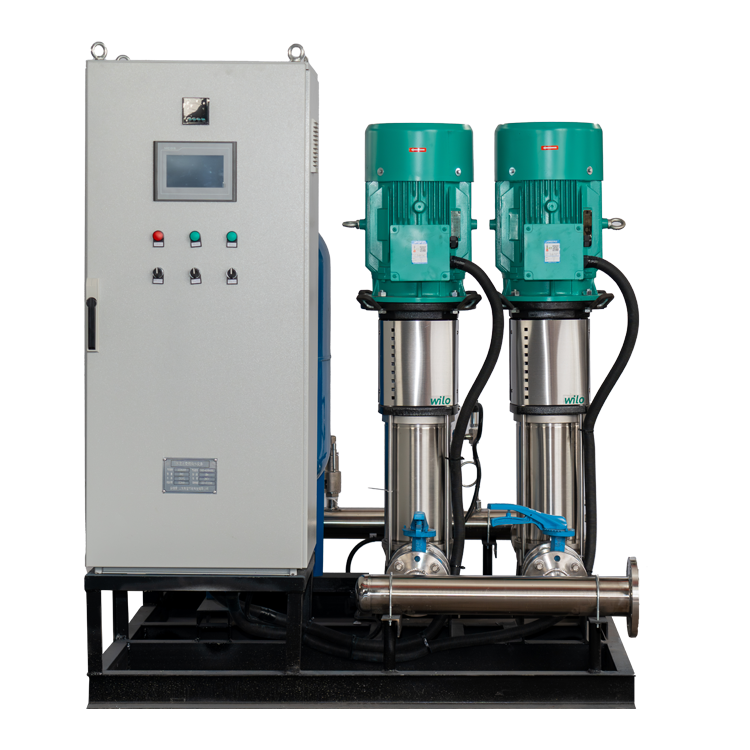
 Variable Frequency Water Supply UnitThe variable frequency water supply unit adjusts the pump speed to maintain constant pressure water supply. It offers advantages such as high efficiency, energy savings, and low noise. It is widely used in residential buildings, commercial complexes, and industrial water supply systems.
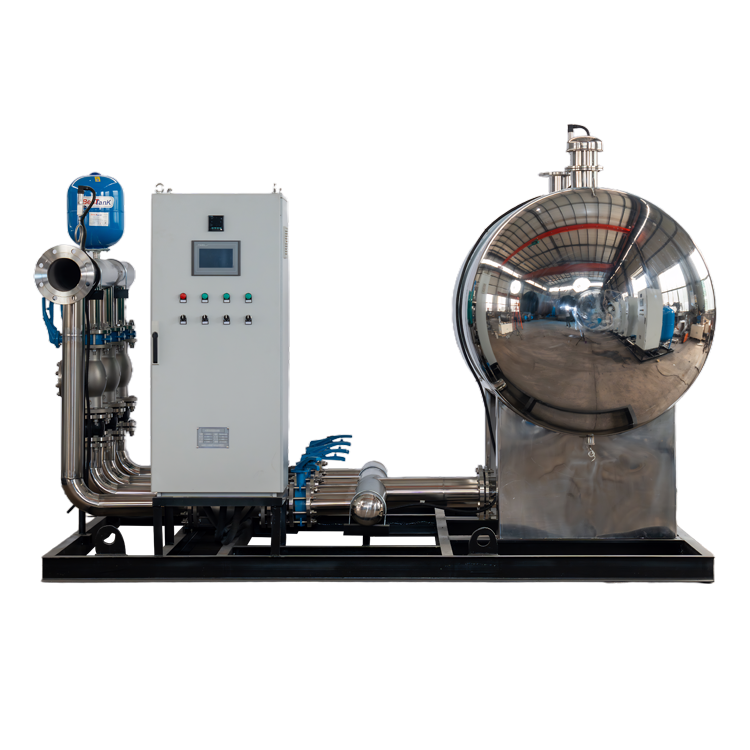
 Non-Negative Pressure Variable Frequency Water Supply UnitThe non-negative pressure variable frequency water supply unit provides pressurized water supply based on the municipal water network. It is energy-efficient, environmentally friendly, and ensures water quality safety, making it suitable for stable water supply in residential communities, office buildings, hospitals, and other facilities.
Leave A Message
If you are interested in our products and want to know more details, please leave a message here, we will reply you as soon as we can.