


Variable Frequency Water Supply Systems: What Research Shows About Performance
Introduction
As energy efficiency becomes paramount in modern infrastructure, variable frequency water supply systems are emerging as a game-changing solution for data centers and industrial applications. Recent research demonstrates how these intelligent systems optimize pump performance, reduce energy consumption by up to 60%, and extend equipment lifespan. This article examines the latest findings on variable frequency technology's operational benefits, reliability metrics, and cost-saving potential for technical evaluators and facility operators seeking sustainable water management solutions.
Definition and Overview of Variable Frequency Water Supply Systems
Variable frequency water supply systems represent a significant advancement in fluid management technology, particularly for energy-intensive environments like data centers. These systems utilize variable frequency drives (VFDs) to dynamically adjust pump motor speeds based on real-time demand, eliminating the energy waste associated with traditional constant-speed pumps. Unlike conventional systems that rely on throttling valves or bypass lines to regulate flow, variable frequency technology precisely matches output to requirements through intelligent speed control. This approach not only reduces electrical consumption but also minimizes mechanical stress on components, resulting in quieter operation and extended service life. The integration of advanced sensors and control algorithms allows these systems to maintain optimal pressure levels while responding instantly to load variations—a critical capability for mission-critical facilities where uptime is non-negotiable.
Technical Performance and Energy Savings
Independent studies conducted by the Hydraulic Institute and the European Association of Pump Manufacturers reveal compelling data about variable frequency water supply performance. When implemented in data center cooling applications, these systems demonstrate 40-60% energy reduction compared to fixed-speed alternatives, with the highest savings occurring in partial load conditions—which represent over 80% of typical operating scenarios. The affinity laws of pump dynamics explain this efficiency: reducing motor speed by 20% decreases energy consumption by nearly 50%. Modern systems achieve this through precision-engineered permanent magnet motors and advanced vector control algorithms that maintain efficiency across the entire operating range. Reliability metrics are equally impressive, with MTBF (Mean Time Between Failures) exceeding 60,000 hours in properly maintained installations. For facilities requiring additional thermal management redundancy, integrating a Liquid Cooling Emergency Device can provide rapid cooling during critical situations, complementing the variable frequency system's capabilities.
Application Scenarios and Industry Adoption
The versatility of variable frequency water supply technology makes it suitable for diverse applications within the renewable energy sector. In data centers—where cooling accounts for approximately 40% of total energy consumption—these systems optimize chilled water distribution while maintaining the precise temperature stability required for sensitive IT equipment. Industrial plants utilize them for process cooling, with the ability to handle variable flow demands across multiple production lines. District energy systems benefit from their scalability, allowing seamless integration with thermal storage and renewable heat sources. A notable case study from a hyperscale data center in Scandinavia documented 58% lower pumping energy costs after retrofitting with variable frequency technology, achieving payback in under 18 months. The technology's compatibility with IoT-enabled monitoring platforms further enhances its value proposition, enabling predictive maintenance and real-time performance optimization through cloud-based analytics.
Standards, Certification and Procurement Considerations
When evaluating variable frequency water supply systems, technical buyers should prioritize products compliant with international standards such as ISO 5199 for centrifugal pumps and IEC 61800 for adjustable speed electrical power drive systems. Energy Star certification and Eurovent performance ratings provide additional assurance of efficiency claims. Key selection criteria include: the system's turndown ratio (with premium models offering 10:1 or better), harmonic distortion levels (THD below 5% is ideal for sensitive electronic environments), and the availability of redundant control architectures. Proper system sizing remains critical—oversized pumps operating at very low speeds may sacrifice efficiency, while undersized units risk inadequate pressure maintenance. For facilities requiring uninterrupted cooling during power fluctuations, pairing the system with a Liquid Cooling Emergency Device ensures continuous thermal management capability.
Why Choose Shandong Liangdi for Your Variable Frequency Solutions
With extensive experience serving the renewable energy sector, Shandong Liangdi Energy Saving Technology brings specialized expertise in designing and manufacturing high-efficiency variable frequency water supply systems. Our solutions incorporate proprietary motor control algorithms that outperform industry benchmarks, delivering measurable energy savings while meeting the rigorous demands of data center and industrial applications. Located in Jinan's Changqing Industrial Park—a hub for advanced manufacturing—we combine cutting-edge R&D with stringent quality control processes. Our product portfolio includes customizable solutions ranging from compact skid-mounted units to large-scale distributed pumping systems, all backed by comprehensive lifecycle support. For technical evaluators seeking quantifiable ROI, we provide detailed energy audits and performance modeling to validate system specifications before deployment. Contact our engineering team today to discuss how our variable frequency technology can optimize your facility's water management infrastructure while achieving sustainability targets.
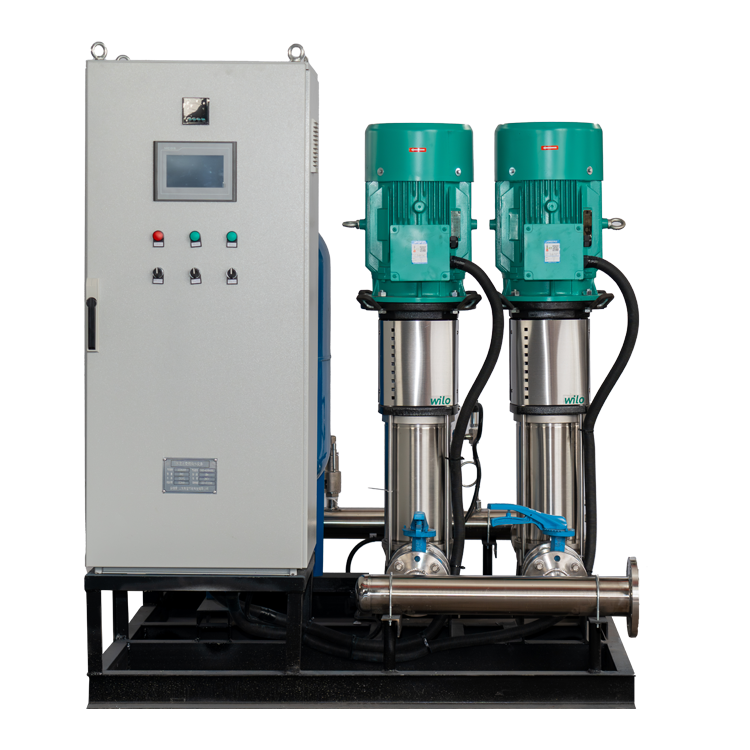
 Variable Frequency Water Supply UnitThe variable frequency water supply unit adjusts the pump speed to maintain constant pressure water supply. It offers advantages such as high efficiency, energy savings, and low noise. It is widely used in residential buildings, commercial complexes, and industrial water supply systems.
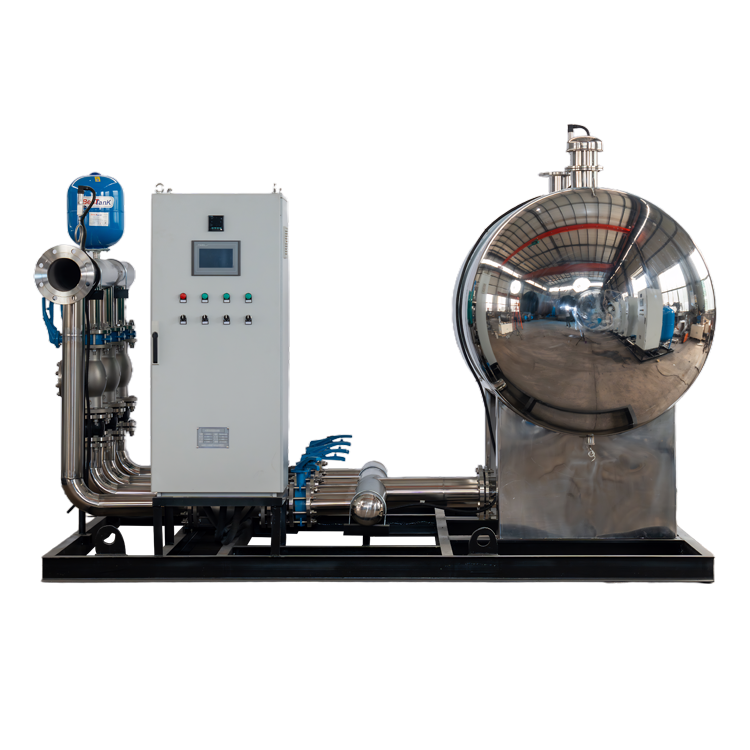
 Non-Negative Pressure Variable Frequency Water Supply UnitThe non-negative pressure variable frequency water supply unit provides pressurized water supply based on the municipal water network. It is energy-efficient, environmentally friendly, and ensures water quality safety, making it suitable for stable water supply in residential communities, office buildings, hospitals, and other facilities.
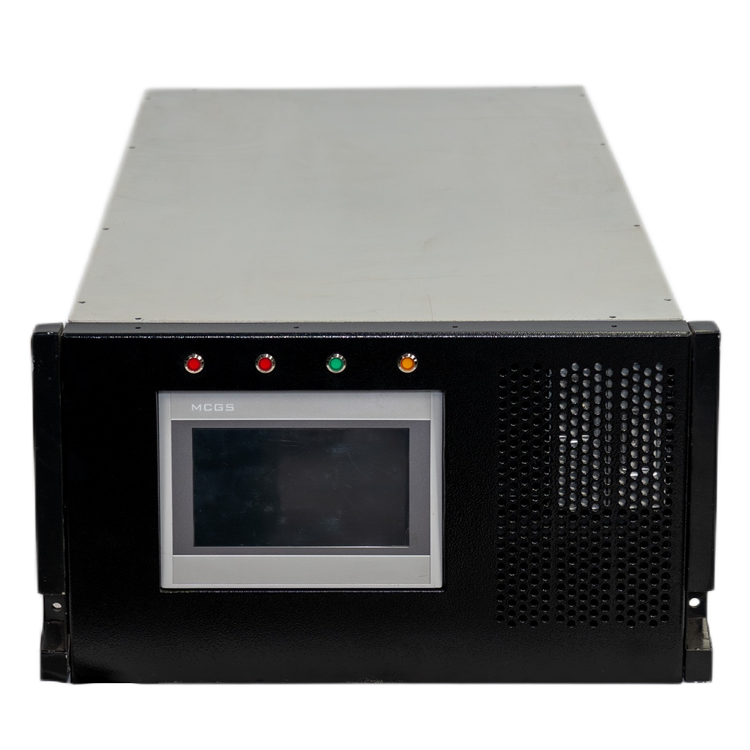
 Rack-Mounted CDUA rack-mounted CDU (Coolant Distribution Unit) is a cooling distribution device specifically designed for liquid-cooled data centers. It features a compact form factor, making it easy to deploy and maintain.
Leave A Message
If you are interested in our products and want to know more details, please leave a message here, we will reply you as soon as we can.