


Technical Specs of Industrial Plate Heat Exchanger Skids
Understanding the technical specs of industrial plate heat exchanger skids is essential for improving thermal efficiency, system reliability, and energy performance in modern data centre and new energy applications. From heat transfer capacity and pressure ratings to material selection and modular integration, these specifications directly affect operational stability, maintenance costs, and long-term value. This article explores the key parameters buyers and engineers should evaluate before selecting the right skid solution.
Why a checklist matters for industrial plate heat exchanger skids
In new energy systems, cooling performance influences uptime, power usage effectiveness, and equipment life. Industrial plate heat exchanger skids often operate as compact thermal transfer hubs.
A checklist reduces selection errors. It helps compare industrial plate heat exchanger skids by measurable data, not marketing language, especially in data centres, energy storage, and liquid cooling infrastructure.
Shandong Liangdi Energy Saving Technology Co., Ltd. develops CDU systems, manifolds, cold storage tanks, heat exchanger units, and water supply units for data centre cooling applications. That background reflects how integrated skid design supports stable thermal management.
Core technical specs checklist
- Confirm heat transfer capacity in kW or MW. Match design duty to peak and partial load conditions, not only nominal performance at ideal inlet temperatures.
- Check approach temperature carefully. Smaller temperature difference improves energy recovery, but usually increases plate area, skid size, and total system cost.
- Verify design pressure and operating pressure. Industrial plate heat exchanger skids in closed-loop cooling must tolerate pressure fluctuations, pump starts, and emergency transients.
- Review design temperature limits for both sides. This is critical where glycol, process water, or mixed cooling circuits face seasonal variation.
- Select plate material by fluid chemistry. Stainless steel suits many water systems, while titanium or special alloys may be required for aggressive media.
- Evaluate gasket material compatibility. EPDM, NBR, and other elastomers react differently to temperature, additives, and long-duration thermal cycling.
- Measure pressure drop across the exchanger. Excessive pressure loss raises pump energy consumption and can reduce overall efficiency in new energy cooling loops.
- Inspect skid integration scope. Good industrial plate heat exchanger skids include pumps, valves, sensors, controls, piping, and service access points.
- Check control logic and instrumentation. Reliable sensors for flow, temperature, pressure, and alarms improve automation and fault response.
- Assess maintainability before purchase. Plate pack accessibility, spare part availability, and cleaning procedure strongly affect long-term operating cost.
Key specification table for quick comparison
Application notes for different new energy scenarios
Data centre liquid cooling
Industrial plate heat exchanger skids are widely used between facility water and secondary cooling loops. In data centres, stable outlet temperature is often more important than maximum nameplate capacity.
Modular skid design also simplifies expansion. When rack density rises, properly sized plate heat exchanger skids can support phased upgrades without major piping reconstruction.
Battery energy storage and power electronics
New energy projects use thermal control to protect battery life and inverter efficiency. In these applications, pressure stability, fast response, and clean-loop separation are primary design priorities.
Where overheating risk exists, an auxiliary emergency solution may be valuable. For example, Liquid Cooling Emergency Device can rapidly cool critical equipment or systems during abnormal thermal events.
Heat recovery and hybrid renewable systems
Industrial plate heat exchanger skids can recover low-grade heat from cooling circuits and transfer it to secondary processes. This improves total energy utilization in integrated renewable facilities.
For hybrid plants, verify compatibility with variable flow operation. Renewable systems often experience changing load profiles, making turndown performance just as important as peak capacity.
Commonly overlooked risks
- Ignore fouling tendency and thermal performance can degrade quickly, especially in systems with poor water treatment or unstable make-up water quality.
- Undersize service clearance and routine inspection, plate replacement, or gasket maintenance becomes slower and more expensive than expected.
- Focus only on exchanger efficiency and the skid may still perform poorly if valves, controls, or pumps are mismatched.
- Skip emergency planning and critical equipment may remain exposed during pump failure, high ambient temperature, or sudden thermal spikes.
Practical execution steps before selection
- Collect design data, including inlet temperatures, outlet targets, flow rates, allowable pressure drop, fluid composition, and ambient conditions.
- Define operating envelope for startup, seasonal variation, and emergency mode, not just steady-state design.
- Compare at least two industrial plate heat exchanger skids using the same duty point and control scope.
- Request drawings that show maintenance space, valve layout, instrumentation points, and interface connections.
- Review whether backup cooling support is required for mission-critical systems, including options such as a liquid-cooled rapid response device.
Conclusion and next action
The best industrial plate heat exchanger skids are not defined by one number. Real value comes from balanced performance in heat transfer, pressure control, material durability, integration quality, and maintenance access.
Use a structured checklist, verify real operating conditions, and compare lifecycle impact instead of purchase price alone. For critical new energy cooling systems, also consider whether emergency thermal protection should complement the main skid architecture.
A careful specification review creates better thermal stability, stronger energy efficiency, and lower long-term risk across data centre and advanced cooling infrastructure projects.
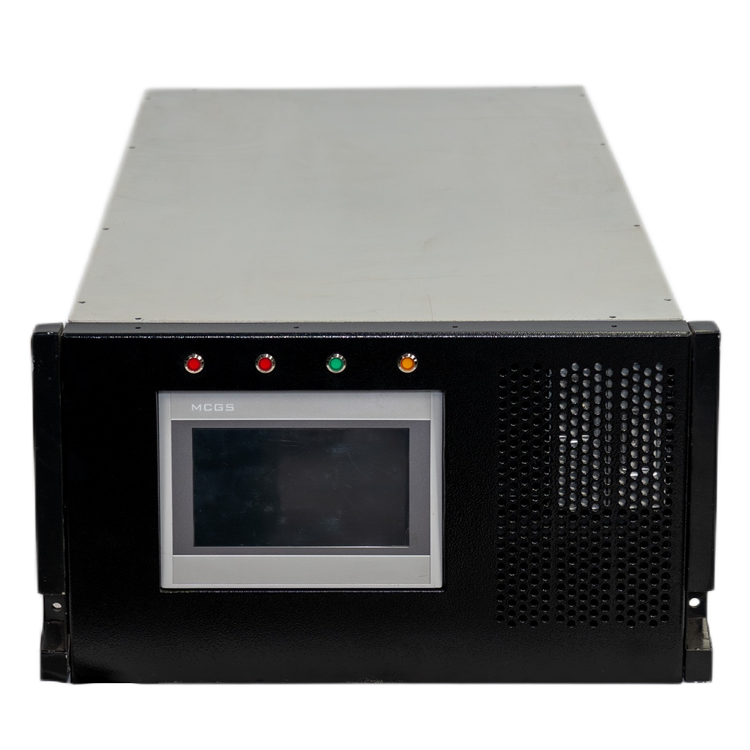
 Rack-Mounted CDUA rack-mounted CDU (Coolant Distribution Unit) is a cooling distribution device specifically designed for liquid-cooled data centers. It features a compact form factor, making it easy to deploy and maintain.
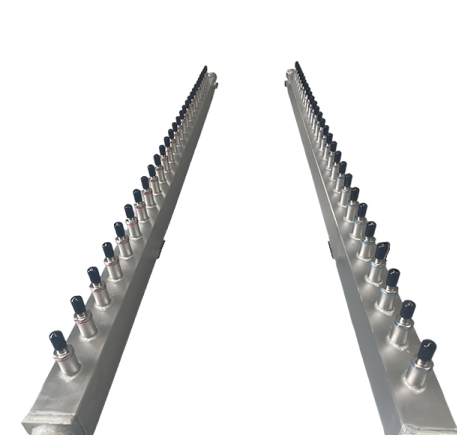
 Liquid-Cooled ManifoldThe Manifold is a pipeline device arrangedinside the server cabinet in the liquid-cooleddata center to evenly distribute the coolingmedium, which can be customized accordingto different server cabinets.
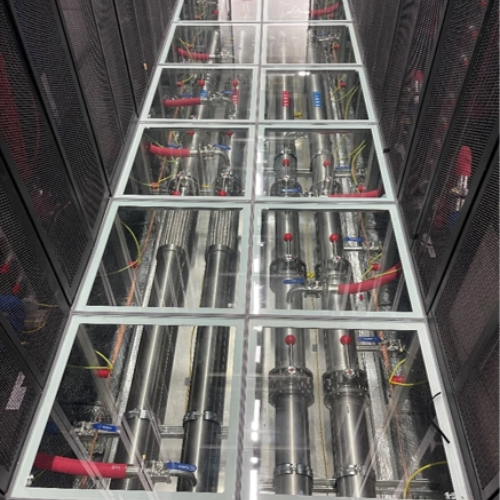
 Liquid Cooling Prefabricated PipesLiquid cooling prefabricated piping is a piping assembly designed and manufactured specifically for liquid cooling secondary systems. It is commonly used in liquid cooling data centers and can significantly shorten construction periods, improve project safety, enhance installation quality, and reduce project costs.
Leave A Message
If you are interested in our products and want to know more details, please leave a message here, we will reply you as soon as we can.