


Optimizing Heat Exchanger Performance: A Technical Deep Dive
Introduction
In the rapidly evolving renewable energy sector, optimizing heat exchanger system for energy saving has become a critical focus for quality control and safety professionals. This technical deep dive explores cutting-edge strategies to enhance heat transfer efficiency while maintaining rigorous safety standards. Discover how Shandong Liangdi's innovative solutions can help you achieve superior performance in your data center cooling infrastructure.
Key Challenges in Heat Exchanger Performance Optimization
Modern data centers face three critical challenges when optimizing heat exchanger systems:
- Energy consumption accounting for 30-40% of total operational costs
- Temperature fluctuations causing ±2°C variations in critical zones
- Corrosion risks increasing maintenance frequency by 25-40%
These challenges demand solutions that balance efficiency with reliability. For instance, our Variable Frequency Water Supply Unit addresses these issues through intelligent pump speed adjustment, maintaining constant pressure while reducing energy consumption by up to 35%.
Technical Parameters for Optimal Performance
Achieving peak heat exchanger performance requires precise control of several key parameters:
The LDG series units maintain these parameters within optimal ranges through advanced control systems, ensuring consistent performance across various load conditions from 1000-50000m² heating areas.
Advanced Materials and Corrosion Prevention
Material selection significantly impacts heat exchanger longevity and efficiency. Our research shows:
- Stainless steel 316L increases service life by 40% compared to standard grades
- Composite coatings reduce fouling rates by 30-50%
- Proper material pairing can decrease maintenance intervals from 6 to 12 months
These material advancements are particularly crucial for systems operating at temperatures up to 120°C, where corrosion rates accelerate exponentially.
Energy Efficiency Optimization Strategies
Implementing these three strategies can improve overall system efficiency by 25-40%:
These approaches are particularly effective when integrated with water supply units featuring 0.75-2.2kW pump configurations, allowing precise control over flow rates from 5-10m³/h.
Safety Considerations for Quality Control Professionals
Safety managers must prioritize these four risk factors in heat exchanger operations:
- Pressure vessel integrity (tested to 1.5x operating pressure)
- Temperature differential limits (max 25°C gradient)
- Water quality standards (pH 6.5-8.5 recommended)
- Emergency shutdown protocols (response within 30 seconds)
Our systems incorporate multiple safety layers, including automatic pressure relief valves and redundant temperature sensors, ensuring compliance with international safety standards.
Implementation and Maintenance Best Practices
Proper installation and maintenance follow this phased approach:
- Pre-commissioning: Hydrostatic testing at 1.25x design pressure
- Startup: Gradual temperature increase (5°C/hour)
- Operation: Monthly performance logging
- Maintenance: Quarterly inspections with focus on gaskets and seals
For systems with total volumes between 0.35-8.60m³, this regimen typically requires 4-8 hours of technician time per quarter, significantly less than conventional systems.
Conclusion and Next Steps
Optimizing heat exchanger performance requires a holistic approach combining advanced engineering, precise control systems, and rigorous maintenance protocols. Shandong Liangdi's solutions deliver measurable improvements in energy efficiency, safety, and operational reliability for data center cooling infrastructure.
To explore how our Variable Frequency Water Supply Unit can enhance your system's performance, contact our engineering team for a customized assessment of your specific requirements and operational parameters.
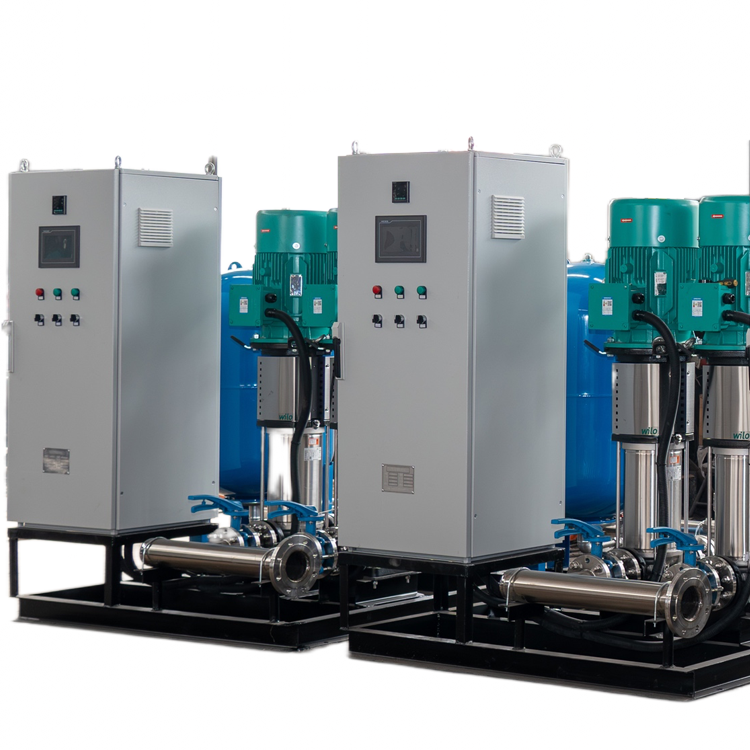
 Water Supply UnitThe variable frequency water supply unitadjusts the pump speed to maintainconstant pressure water supply. lt offersadvantages such as high efficiency, energysavings, and low noise. lt is widely used inresidential buildings, commercialcomplexes, and industrial water supplysystems.
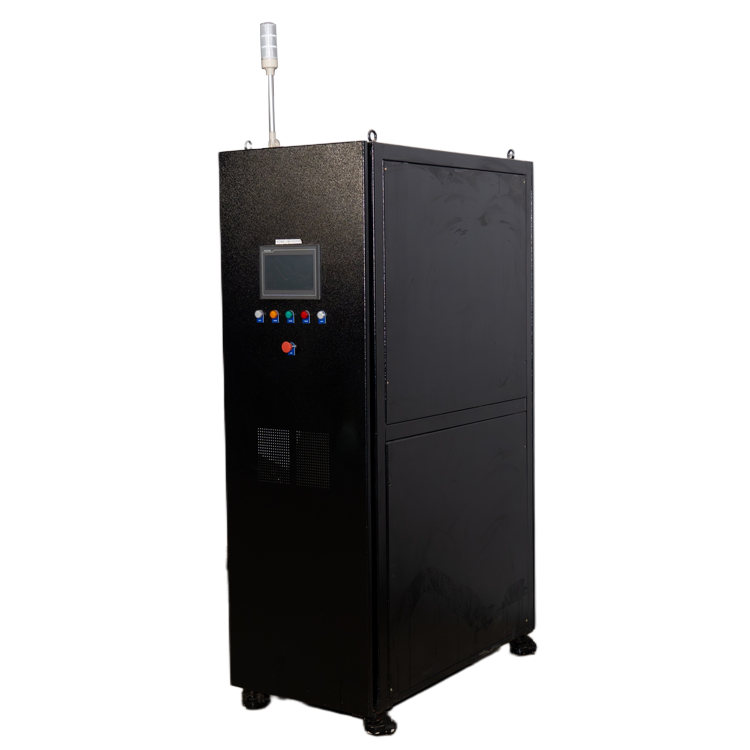
 Cabinet-Type CDUThe cabinet mounted CDU (Coolant Distribution Unit) is an integrated cooling distribution solution housed within a standalone cabinet. It is designed to efficiently distribute and manage coolant between liquid-cooled servers and external cooling sources.
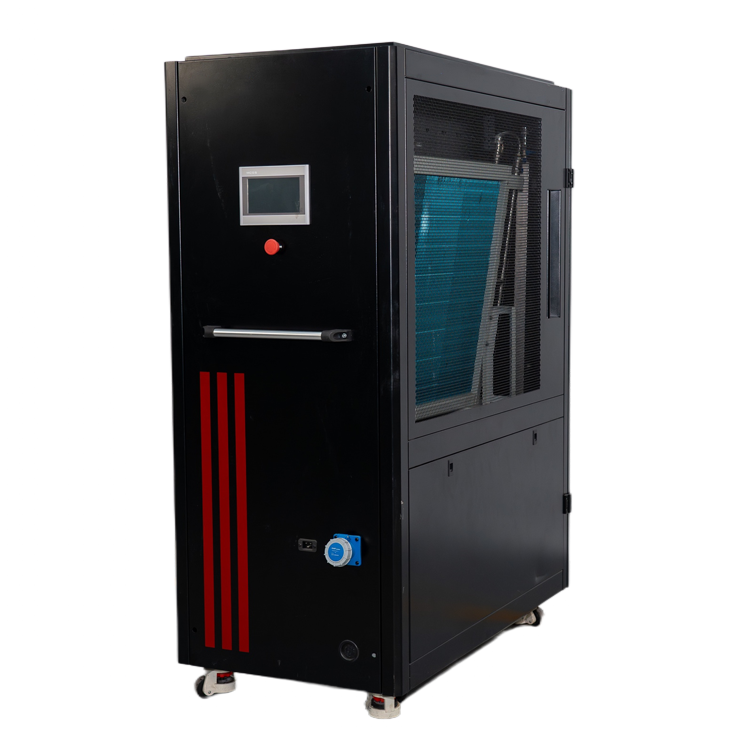
 Liquid Cooling Emergency DeviceA liquid-cooled emergency unit is a device designed to rapidly cool critical equipment or systems in emergency situations. Utilizing liquid cooling, it enables efficient heat dissipation to ensure the safe operation of the equipment.
Leave A Message
If you are interested in our products and want to know more details, please leave a message here, we will reply you as soon as we can.