


Prefabricated Piping Spools: The Ultimate Engineering Guide
In modern industrial engineering, project success depends on three key metrics: cost efficiency, schedule adherence, and structural integrity. For large-scale energy, petrochemical, and offshore construction projects, traditional field welding no longer meets strict timeline and quality demands.
Prefabricated piping spools—custom pipe assemblies manufactured in a controlled factory before site delivery—have become the industry standard for global Engineering, Procurement, and Construction (EPC) contractors.
This guide covers material selection, precision manufacturing, QA/QC standards, corrosion protection, and export logistics for prefabricated spools.
1. What Are Prefabricated Piping Spools?
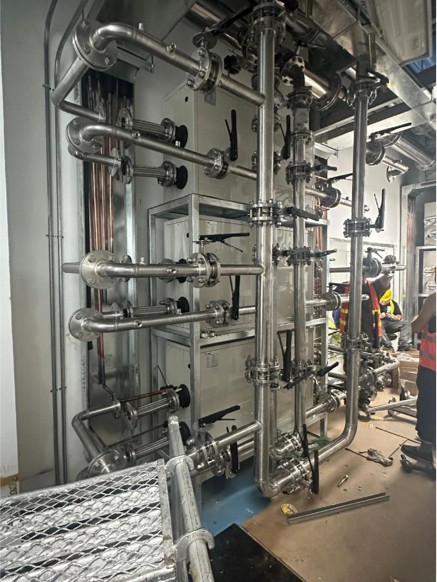
A piping spool is a pre-assembled section of pipe, flanges, fittings (elbows, tees, reducers), and valves joined in a specialized fabrication shop before field delivery.
Fabricated directly from isometric drawings, spools ensure exact dimensional alignment with on-site equipment nozzles and structural steel.
2. Shop Prefabrication vs. Field Fabrication
Choosing shop prefabrication over field welding significantly improves quality control while lowering Total Cost of Ownership (TCO).
3. Manufacturing Workflow & Quality Assurance
Fabricating code-compliant spools follows a controlled, step-by-step engineering process:
Material Verification: Mill Test Reports (MTRs) are checked against heat numbers for standards like ASTM A106, ASTM A312, or API 5L.
Precision Cutting & Beveling: CNC cold cutting prepares bevel angles (37.5°± 2.5°) per ASME B16.25.
Fit-Up Inspection: Checks root gap spacing (1.6-3.2mm) and high-low internal misalignment (≤1.5 mm).
Dimensional Control Standards
Fabrication tolerances strictly follow PFI ES-3, ASME B31.3 (Process Piping), and ASME B31.1 (Power Piping) to ensure smooth site assembly without forced fit-up stress.
?
Read full guide: Pipe Spool Tolerances & Dimensional Control Standards
4. Welding Metallurgy & NDT Practices
Fabricators maintain certified Welding Procedure Specifications (WPS) under ASME Section IX or AWS D1.1.
Submerged Arc Welding (SAW): High deposition for thick-wall carbon steel.
Gas Tungsten Arc Welding (GTAW / TIG): Clean, high-purity root passes for stainless steel and alloys.
Quality Control (NDT)
RT / PAUT: Volumetric inspection for internal weld defects.
PT / MT: Surface crack detection for stainless or carbon steel welds.
Hydrostatic Testing: Pressure tested to 1.5 design pressure before shipment.
?
Read full guide: Understanding Pipe Prefabrication Weld Types and Joint Designs
5. Corrosion Control & Surface Protection
Surface preparation follows ISO 8501-1 Class Sa 2.5 (Near-White Blast) to create a clean anchor profile (50-85μm) before coating.
?
Read full guide: Surface Treatment & Anti-Corrosion Coating for Prefabricated Piping
6. Export Packaging & Global Logistics
Safely shipping complex 3D pipe assemblies across ocean routes requires engineered protective packaging:
Flange Protection: Rubber gaskets or blind covers prevent face damage.
Moisture Protection: End caps and internal desiccants prevent internal rust during sea transit.
Secure Transport: Custom timber cradles support curved pipes in 40ft High Cube, Flat Rack, or Breakbulk configurations.
?
Read full guide: Packing and Shipping Logistics for Large-Diameter Prefabricated Spools
7. Frequently Asked Questions (FAQ)
Q1: How do prefabricated piping spools reduce project timelines?
By enabling parallel construction. Factory spool fabrication happens simultaneously with site civil and foundation works, cutting overall field installation schedules by 30% to 50%.
Q2: What dimensional tolerance standards apply to pipe spool fabrication?
The primary standard is PFI ES-3, alongside ASME B31.3 and ASME B31.1. These define strict limits for end-to-end dimensions, flange rotation, and branch alignment.
Q3: How are large spools protected during ocean transport?
They use heavy flange covers, internal desiccants with end seals, custom timber saddles, and rated steel lashing to withstand ocean transit conditions.
Partner with Liangdi Tech
Liangdi Tech is a trusted B2B manufacturer and exporter of custom prefabricated piping spools, carbon/stainless steel assemblies, and industrial fittings. With automated CNC machinery, certified welding processes (ASME IX), complete NDT testing, and export-ready packaging, we deliver drop-in ready piping solutions worldwide.
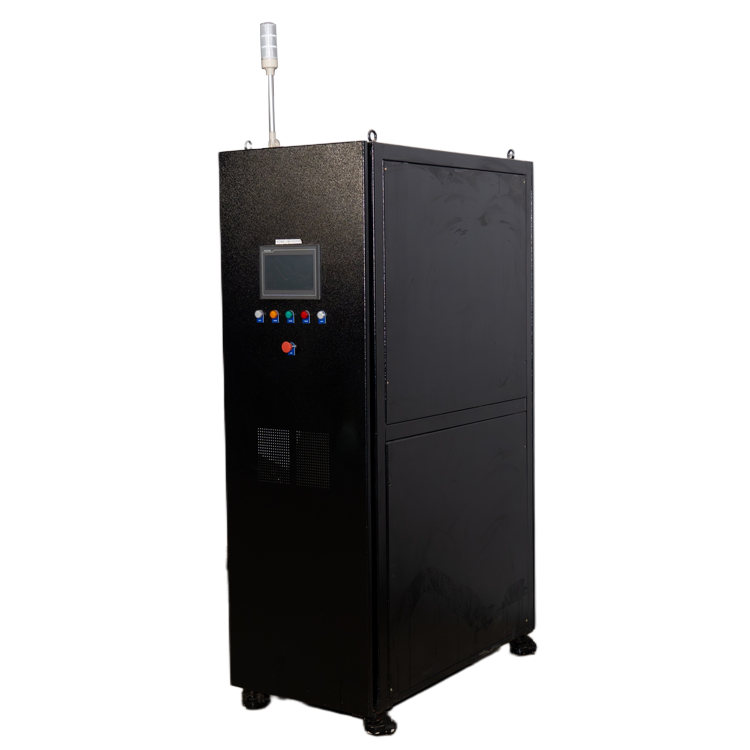
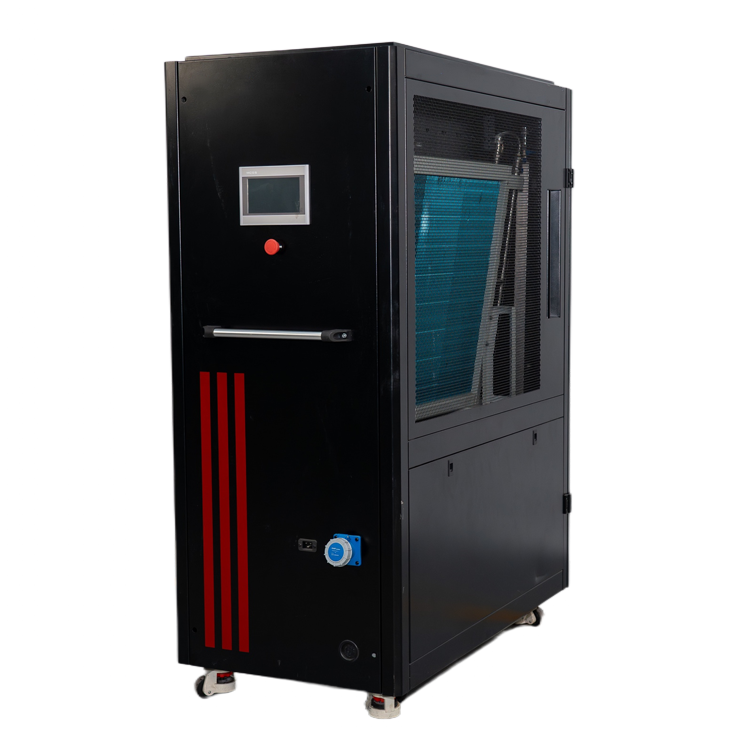
 Cabinet-Type CDUThe cabinet mounted CDU (Coolant Distribution Unit) is an integrated cooling distribution solution housed within a standalone cabinet. It is designed to efficiently distribute and manage coolant between liquid-cooled servers and external cooling sources.
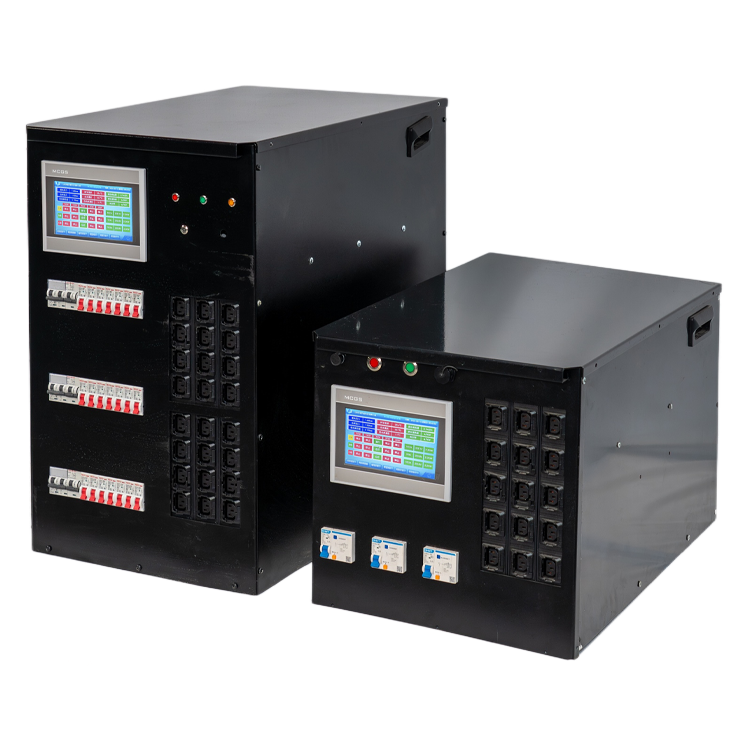
 Liquid-Cooled Dummy LoadLiquid-cooled dummy load is a specialized device used for testing electrical equipment, primarily in scenarios such as data centers, power plants, and UPS systems to simulate electrical loads.
 Liquid Cooling Emergency DeviceA liquid-cooled emergency unit is a device designed to rapidly cool critical equipment or systems in emergency situations. Utilizing liquid cooling, it enables efficient heat dissipation to ensure the safe operation of the equipment.
Leave A Message
If you are interested in our products and want to know more details, please leave a message here, we will reply you as soon as we can.