

Understanding Immersion Cooling CDU Fundamentals
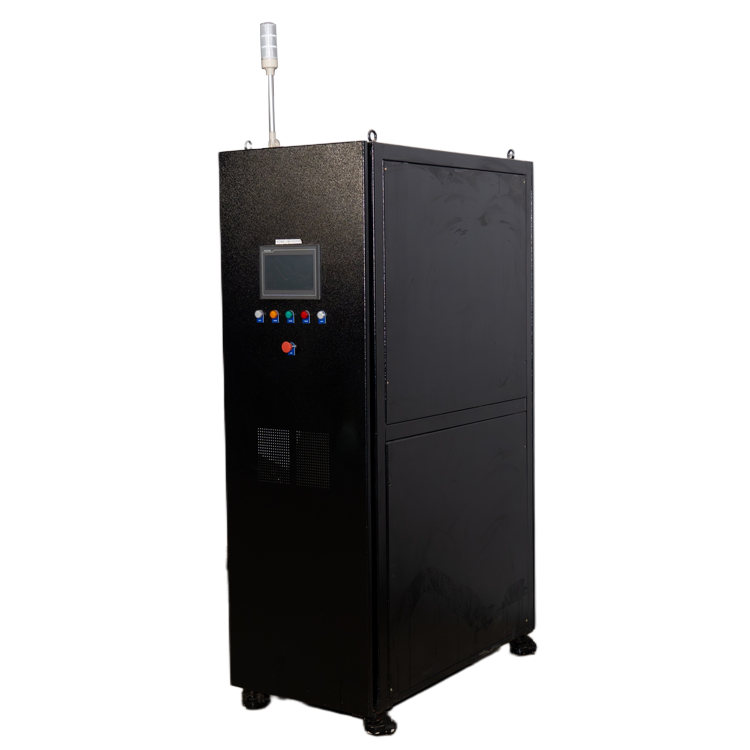
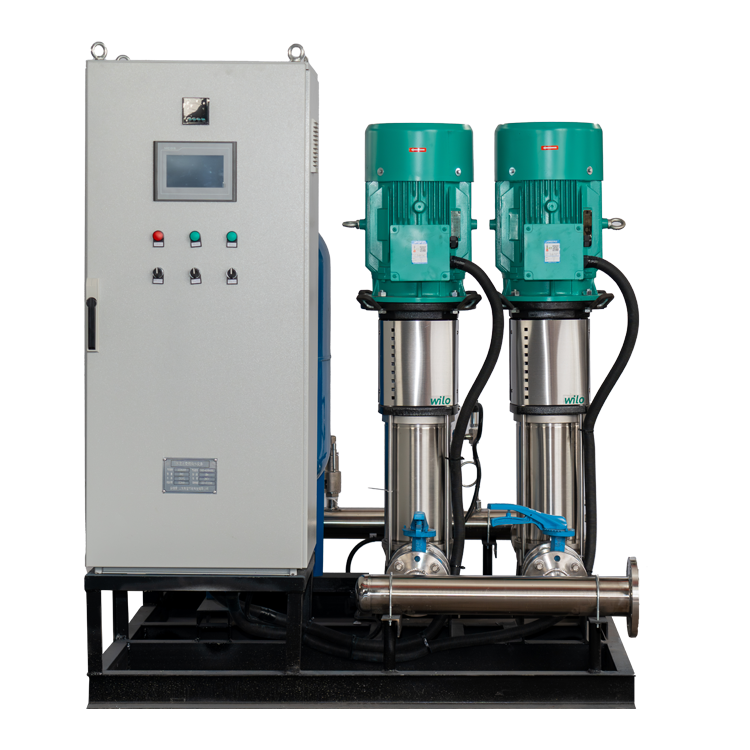
Immersion cooling CDUs (Cooling Distribution Units) represent a revolutionary approach to thermal management in modern data centers. Unlike traditional air cooling systems, immersion CDUs submerge IT equipment in dielectric coolant, achieving up to 90% better energy efficiency. The technology comes in two primary variants: single-phase systems where the coolant remains liquid throughout the process, and two-phase systems where the coolant undergoes phase change from liquid to vapor. For procurement specialists evaluating these systems, three critical factors demand attention: thermal performance characteristics (typically measured in kW/rack), Power Usage Effectiveness (PUE) ratings, and total cost of ownership including maintenance overhead.
Key Performance Metrics Comparison
When comparing single-phase versus two-phase immersion cooling CDU solutions, several technical parameters require careful analysis:
- Heat Removal Capacity: Two-phase systems typically achieve 50-100kW per rack compared to 30-50kW for single-phase
- PUE Ratios: Advanced two-phase CDUs can reach PUE values as low as 1.02 versus 1.05-1.08 for single-phase
- Coolant Requirements: Single-phase systems use 30-50% more coolant volume per rack
- Infrastructure Impact: Two-phase solutions reduce auxiliary power consumption by 15-20%
Operational Considerations for Data Center Teams
Beyond technical specifications, practical operational factors significantly influence the choice between immersion cooling CDU types. Single-phase systems offer simpler maintenance protocols as they don't require vapor containment systems, making them preferable for facilities with limited technical staff. However, two-phase solutions provide superior energy efficiency that becomes increasingly valuable in high-density computing environments. The Liquid-Cooled Manifold plays a crucial role in both system types, with its SUS304/316L construction ensuring reliable distribution of cooling medium (typically (CH20H)2;H₂0) across server racks. Available in single or double row configurations with 30x30 to 50x50 sizing options, these manifolds can be customized to specific cabinet layouts.
Maintenance and Reliability Factors
Maintenance requirements differ substantially between the two immersion cooling approaches. Single-phase CDUs demand more frequent coolant filtration and replacement (every 5-7 years) but have fewer moving parts. Two-phase systems require specialized training for handling phase-change processes but benefit from longer coolant lifecycles (10+ years). Both systems integrate with modern monitoring platforms to track:
- Real-time coolant temperature differentials
- Flow rate consistency across racks
- Potential leak detection alerts
- Pump performance metrics
Financial Analysis and ROI Considerations
The financial calculus for immersion cooling CDU adoption involves multiple dimensions. While two-phase systems command 20-30% higher upfront costs, their energy savings typically deliver payback within 2-3 years for 1MW+ installations. Single-phase solutions offer lower capital expenditure and are often preferred for:
Coolant Management Strategies
Effective coolant distribution remains critical for both CDU types. The manifold system's ability to evenly distribute cooling medium directly impacts thermal performance consistency across racks. Modern liquid-cooled data centers increasingly adopt standardized connection interfaces that accommodate both current needs and future expansion. When specifying components like the Liquid-Cooled Manifold, procurement teams should verify compatibility with their chosen CDU architecture and planned rack densities.
Implementation Best Practices
Successful deployment of immersion cooling CDUs requires careful planning across multiple operational dimensions. For facilities transitioning from air cooling, we recommend conducting phased pilots to assess:
- Staff competency development timelines
- Coolant handling procedures
- Emergency response protocols
- Monitoring system integration
Two-phase systems particularly benefit from vendor-supported commissioning processes to ensure proper setup of vapor management systems. Both CDU types require thorough evaluation of floor loading capacities and seismic considerations, especially in multi-story facilities.
Future Trends in Immersion Cooling
The immersion cooling CDU market is evolving rapidly, with several emerging trends that procurement professionals should monitor. New dielectric fluid formulations promise extended service intervals, while AI-driven predictive maintenance platforms are reducing downtime risks. The industry is also seeing convergence between immersion cooling and renewable energy integration, particularly in:
- Waste heat recovery systems
- Direct liquid cooling for solar/wind farm control systems
- Hybrid cooling architectures for modular data centers