


How Often Should You Service Your High-Efficiency Heat Exchanger?
Optimizing your high-efficiency heat exchanger maintenance schedule is critical for energy savings and operational reliability, especially when selling to the United States market. As a project manager or business evaluator, understanding the ideal service frequency can significantly impact your data center's performance and cost-efficiency. This guide explores key maintenance intervals and best practices to maximize your heat exchanger's lifespan while meeting stringent US energy standards.
Understanding High-Efficiency Heat Exchanger Maintenance
High-efficiency heat exchangers are pivotal in modern data centers, ensuring optimal thermal management while minimizing energy consumption. Regular maintenance is not just a recommendation but a necessity to sustain peak performance. For businesses selling to the United States, adhering to maintenance schedules is crucial to comply with energy efficiency standards such as ASHRAE and LEED certifications. Neglecting maintenance can lead to reduced efficiency, higher operational costs, and potential downtime, which is unacceptable in mission-critical environments like data centers.
Recommended Maintenance Intervals
The frequency of servicing your high-efficiency heat exchanger depends on several factors, including operational hours, environmental conditions, and the specific model in use. Generally, a bi-annual inspection is recommended for most units. However, in high-demand environments such as data centers, quarterly checks may be necessary. Key maintenance tasks include cleaning the heat transfer surfaces, checking for corrosion, verifying fluid levels, and ensuring all connections are secure. For units like the Variable Frequency Water Supply Unit, which integrates seamlessly with heat exchanger systems, additional checks on pump performance and pressure settings are advised.
Market Overview: Heat Exchangers in the US
The United States market for high-efficiency heat exchangers is growing rapidly, driven by increasing demand for energy-efficient solutions in data centers and industrial applications. According to recent industry reports, the market is expected to grow at a CAGR of 6.5% over the next five years. This growth is fueled by stringent energy regulations and the rising cost of electricity, making energy-saving technologies like heat exchangers a priority for project managers and business evaluators. Companies like Shandong Liangdi Energy Saving Technology Co., Ltd. are well-positioned to meet this demand with their advanced cooling distribution units and heat exchanger solutions.
Technical Performance and Compliance
When selecting a high-efficiency heat exchanger, it's essential to consider technical parameters such as operating temperature, flow rate, and pressure tolerance. For instance, the Variable Frequency Water Supply Unit offers a regulating volume of 0.125-3.65m³ and operates at temperatures below 120°C, making it ideal for integration with heat exchanger systems. Compliance with international standards like ISO 9001 and ASHRAE 90.1 is also critical, ensuring that the equipment meets the highest quality and efficiency benchmarks.
Why Choose Shandong Liangdi Energy Saving Technology?
Located in Changqing Industrial Park in Jinan, Shandong Liangdi Energy Saving Technology Co., Ltd. specializes in the R&D and production of cutting-edge cooling and heat exchange solutions. Our products, including high-efficiency heat exchangers and cooling distribution units, are designed to meet the rigorous demands of data centers and industrial applications. With a focus on innovation and energy savings, we provide reliable, high-performance solutions that help our clients achieve their sustainability goals. Contact us today to learn how our products can enhance your operations.
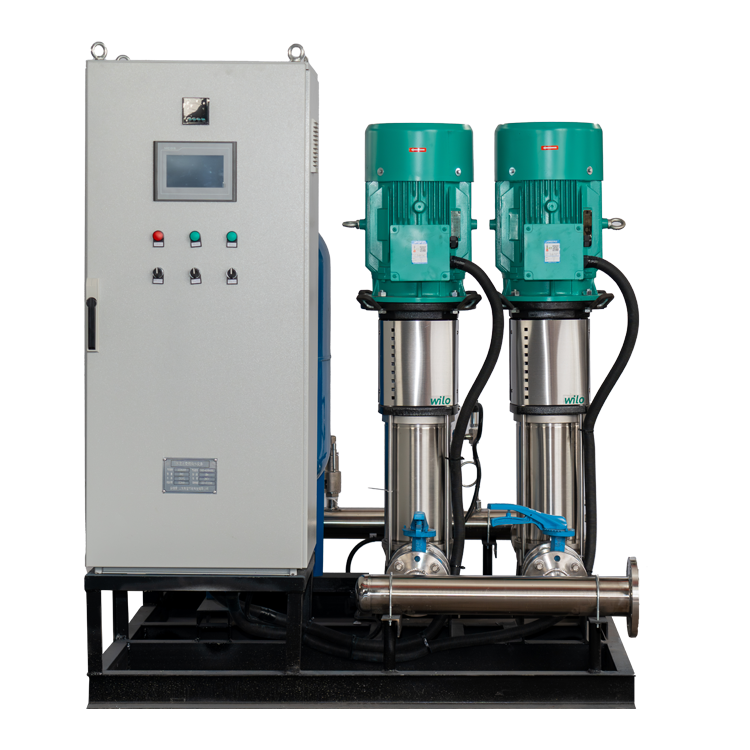
 Variable Frequency Water Supply UnitThe variable frequency water supply unit adjusts the pump speed to maintain constant pressure water supply. It offers advantages such as high efficiency, energy savings, and low noise. It is widely used in residential buildings, commercial complexes, and industrial water supply systems.
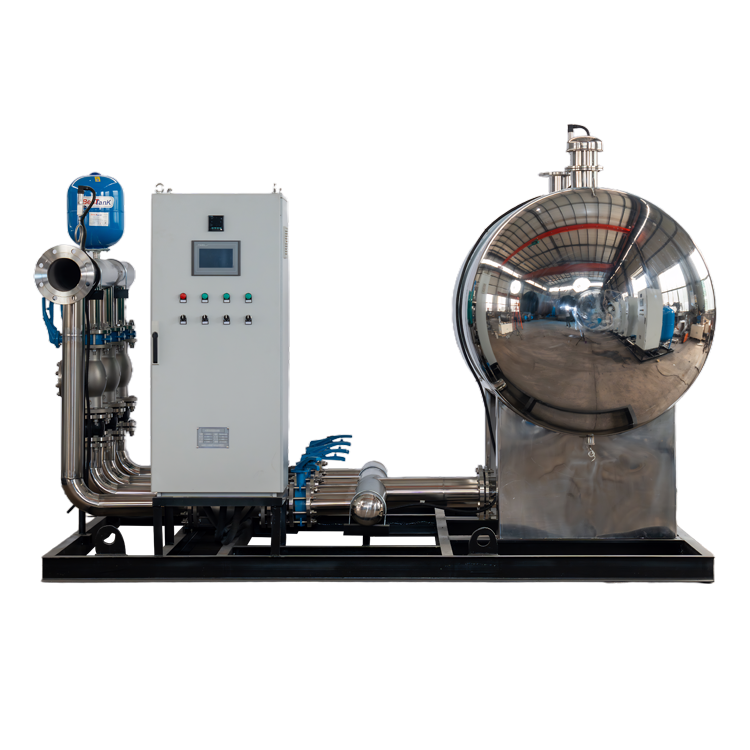
 Non-Negative Pressure Variable Frequency Water Supply UnitThe non-negative pressure variable frequency water supply unit provides pressurized water supply based on the municipal water network. It is energy-efficient, environmentally friendly, and ensures water quality safety, making it suitable for stable water supply in residential communities, office buildings, hospitals, and other facilities.
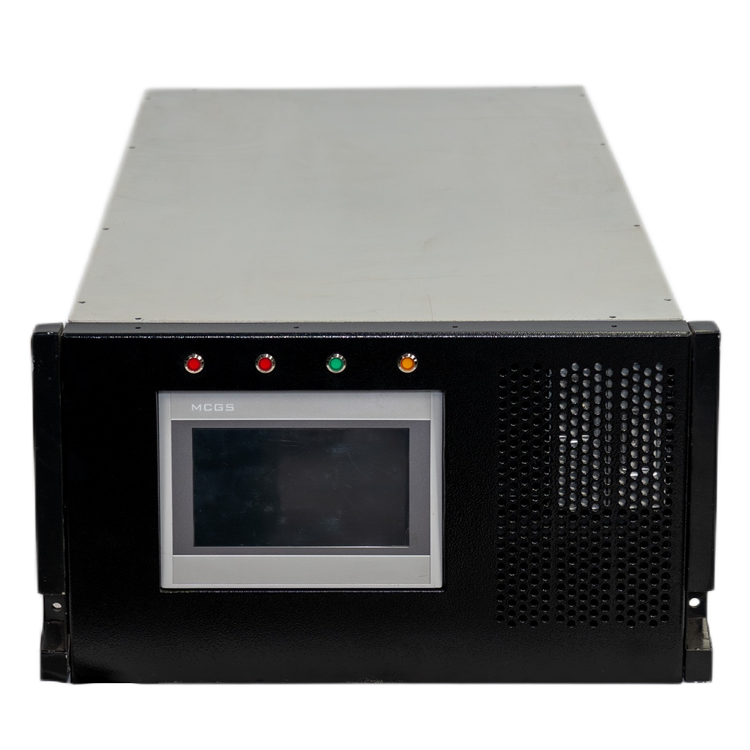
 Rack-Mounted CDUA rack-mounted CDU (Coolant Distribution Unit) is a cooling distribution device specifically designed for liquid-cooled data centers. It features a compact form factor, making it easy to deploy and maintain.
Leave A Message
If you are interested in our products and want to know more details, please leave a message here, we will reply you as soon as we can.