


How to Troubleshoot Common Issues with Rack Mounted CDU in High-Density Cooling Applications
In high-density cooling applications, the Liquid Cooling Series-Rack Mounted CDU plays a critical role in maintaining optimal thermal management. However, technical issues can arise, impacting efficiency and safety. This guide provides practical troubleshooting steps for quality control and safety professionals to quickly identify and resolve common CDU problems, ensuring uninterrupted cooling performance in demanding data center environments.
Common Issues and Solutions for Rack-Mounted CDUs
When dealing with Rack-Mounted CDU systems in high-density cooling environments, several recurring issues may emerge. Understanding these problems and their solutions is essential for maintaining system reliability:
- Insufficient Cooling Capacity: Often caused by improper flow rates or temperature differentials. Verify secondary side circulation flow rates (2.7m³/h to 6.0m³/h depending on model) and check for clogged filters.
- Pressure Fluctuations: Ensure the available head on secondary side maintains ≥1.2bar. Inspect pump performance and check for air pockets in the system.
- Communication Failures: For units supporting Modbus, TCP/IP, or RS485, verify network connections and protocol settings in the intelligent PLC control system.
- Temperature Variations: Monitor both primary (35/45°C) and secondary (40/50°C) side design temperatures. Significant deviations may indicate heat exchanger issues.
Technical Specifications and Performance Metrics
Proper troubleshooting requires understanding the Rack-Mounted CDU's technical parameters. Key performance indicators include:
Preventive Maintenance Best Practices
For quality control professionals, implementing preventive measures can significantly reduce downtime:
- Conduct monthly inspections of SUS30408 stainless steel components for corrosion or mineral buildup
- Verify deionized water/(CH₂OH)₂ mixture quality quarterly to prevent heat exchanger fouling
- Test all 50.5 chuck connections for leaks during routine maintenance
- Calibrate temperature sensors against primary and secondary side design specifications
- Update PLC firmware regularly to maintain optimal control system performance
Industry Standards and Compliance
Shandong Liangdi Energy Saving Technology designs its CDU systems to meet rigorous international standards for data center cooling equipment. Our rack-mounted solutions comply with:
- ASHRAE TC 9.9 guidelines for data center thermal management
- ISO 14644 cleanroom standards for particulate control
- IEC 61010-1 safety requirements for electrical equipment
- GB/T 2518 specifications for stainless steel material performance
Why Choose Our Rack-Mounted CDU Solutions?
Located in Jinan's Changqing Industrial Park, Shandong Liangdi Energy Saving Technology combines cutting-edge R&D with practical data center experience. Our liquid cooling series offers:
- Compact 4U/6U form factors for high-density deployment
- Intelligent PLC control with touch display for precise monitoring
- Multiple power configurations (30kW-90kW) to match various cooling demands
- Robust SUS30408 construction for long-term reliability
- Comprehensive support from our specialized engineering team
Frequently Asked Questions
Q: How often should I replace the deionized water in the secondary circuit?
A: We recommend testing water quality quarterly and replacing when resistivity falls below 1MΩ·cm or when pH deviates from neutral.
Q: Can the CDU interface with existing building management systems?
A: Yes, all models support Modbus, TCP/IP, and RS485 communication protocols for seamless integration.
Q: What's the expected service life of the heat exchanger?
A: With proper maintenance, our SUS30408 heat exchangers typically last 10+ years in data center environments.
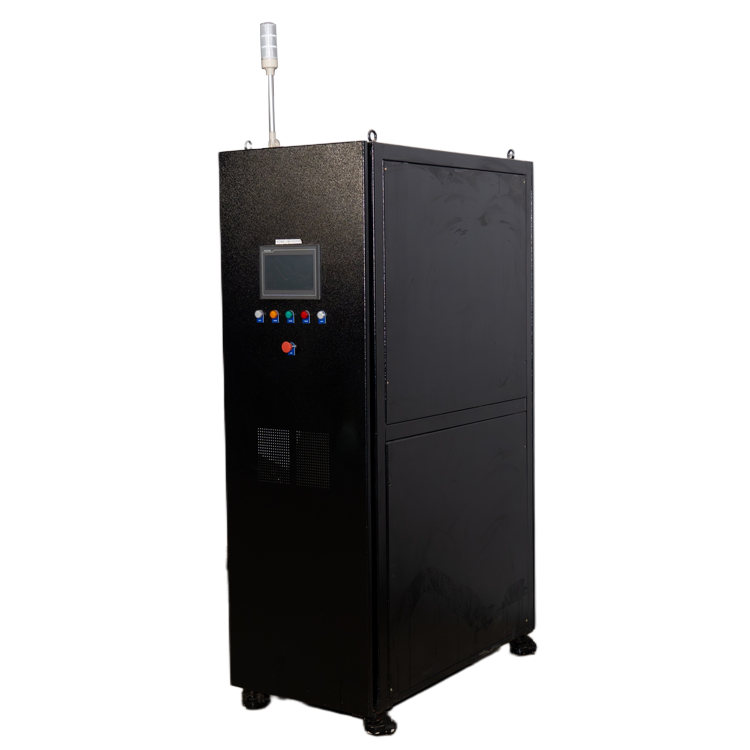
 Cabinet-Type CDUThe cabinet mounted CDU (Coolant Distribution Unit) is an integrated cooling distribution solution housed within a standalone cabinet. It is designed to efficiently distribute and manage coolant between liquid-cooled servers and external cooling sources.
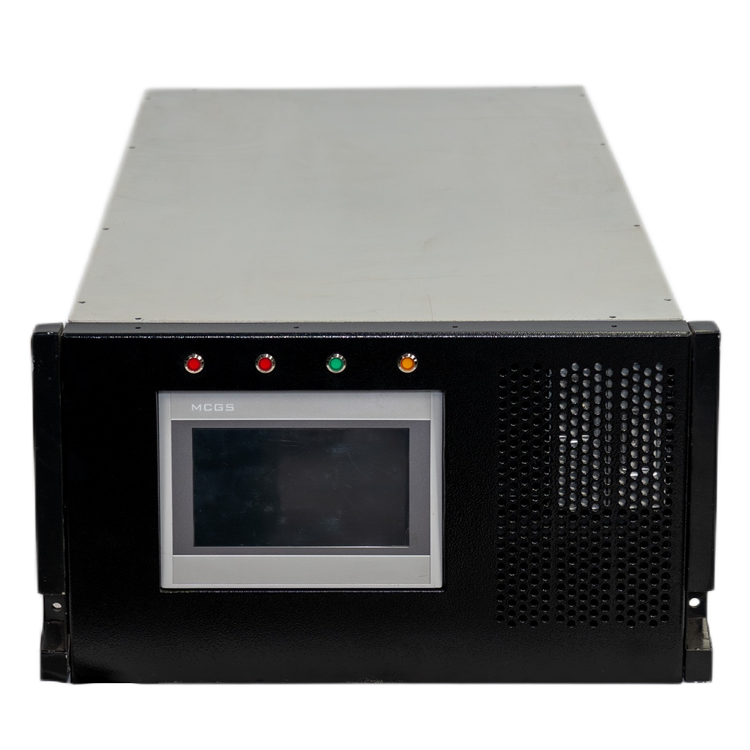
 Rack-Mounted CDUA rack-mounted CDU (Coolant Distribution Unit) is a cooling distribution device specifically designed for liquid-cooled data centers. It features a compact form factor, making it easy to deploy and maintain.
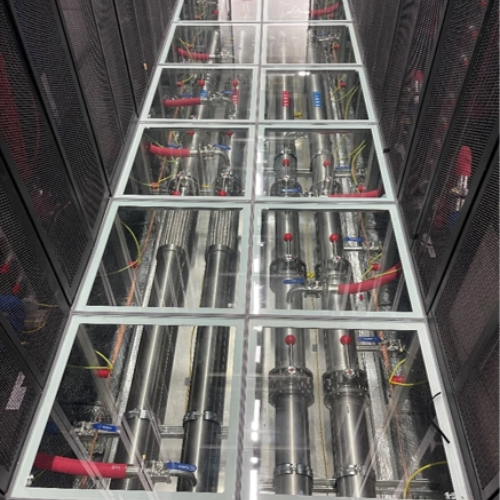
 Liquid Cooling Prefabricated PipesLiquid cooling prefabricated piping is a piping assembly designed and manufactured specifically for liquid cooling secondary systems. It is commonly used in liquid cooling data centers and can significantly shorten construction periods, improve project safety, enhance installation quality, and reduce project costs.
Leave A Message
If you are interested in our products and want to know more details, please leave a message here, we will reply you as soon as we can.